TATEKITCHEN
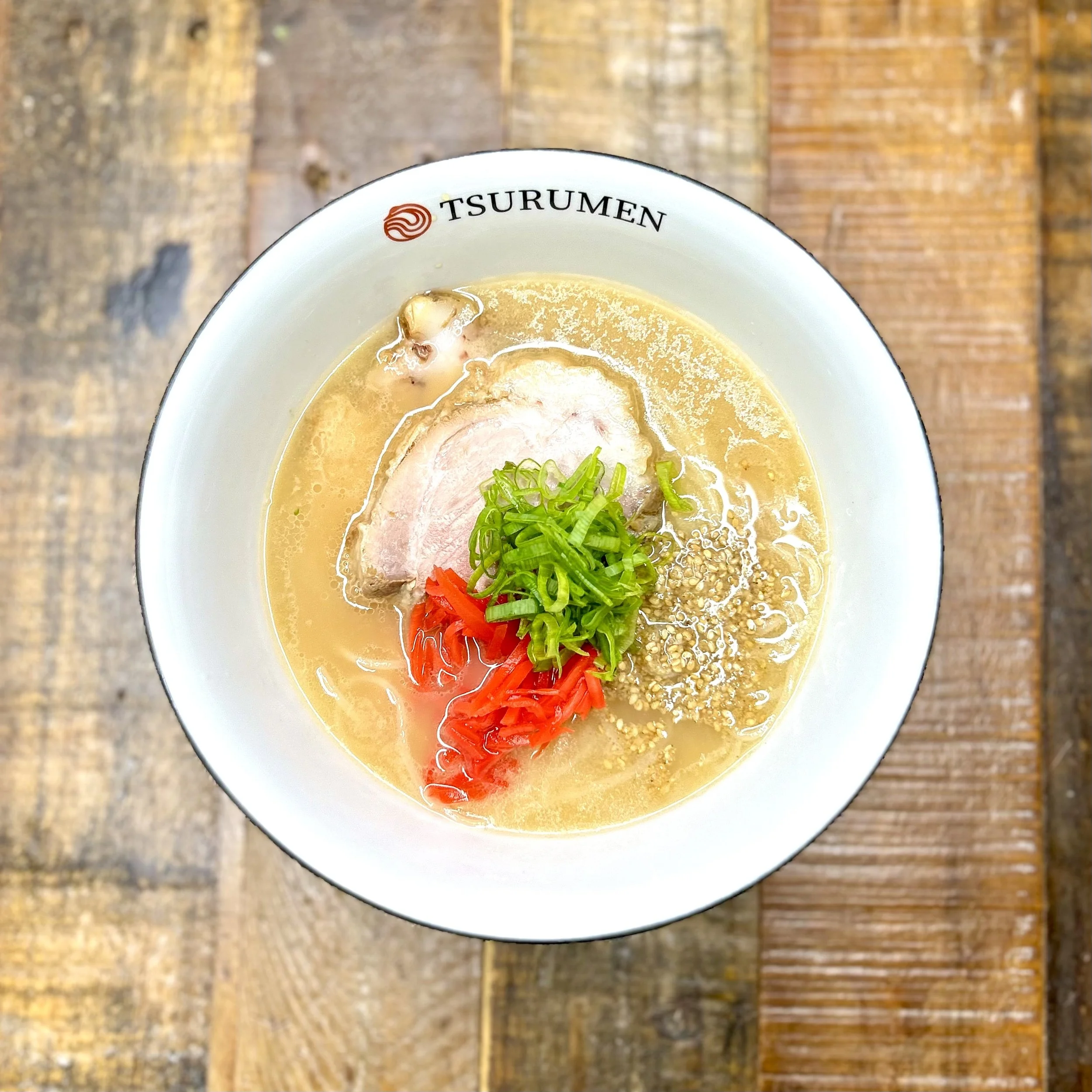
Tonkotsu Ramen
Tonkotsu broth takes TIME. Hours. High heat. Pork bones breaking down until the broth turns milky white.
But when you get it right? When you nail that silky, rich, creamy texture? It's worth every minute. This is Hakata-style tonkotsu ramen—traditional technique, gluten-free execution.
Let me walk you through it.

Tsukemen: The Dipping Noodle
Tsukemen isn't ramen. The noodles are separate. The broth is THICK—almost like a sauce. You dip. You slurp. You taste everything.
This is the gluten-free tsukemen technique that uses every part of the chicken—blended bones and all. Rich, creamy, zero waste. This is next-level ramen.
Here's how to make it.

Chicken Paitan Ramen Yeah K style
Most ramen broths are clear. Paitan is MILKY. Creamy. Rich. Almost like a sauce.
This is Chicken Paitan Ramen, Yokohama Yeah K style—high-heat emulsification creates that signature creamy texture. Add traditional toppings: chashu, ajitama egg, spinach. It's gluten-free, and it's one of the most satisfying bowls I've ever made.
Here's the technique that makes it work.

New England Shio Ramen
What happens when you take Japanese ramen technique and New England ingredients? This.
Slow cooker chicken broth. Fresh clam juice from Boston's best clams. Shio tare that balances salt and brine perfectly. This is the gluten-free ramen that makes people forget it's gluten-free.
Let me show you how to build it.

Chashu Pork & Chicken Oil: The Secret to Restaurant-Quality GF Ramen at Home
Listen, you can have the best gluten-free noodles in the world, but if your toppings aren't RIGHT, your ramen isn't ramen.
Two things will completely change your GF ramen game: proper chashu pork and rendered chicken fat. These are non-negotiables. Once you nail these, you're cooking at restaurant level.
I'll be sure to show you how.