
Fermented Foods for Immune System
Summary & Key Takeaways
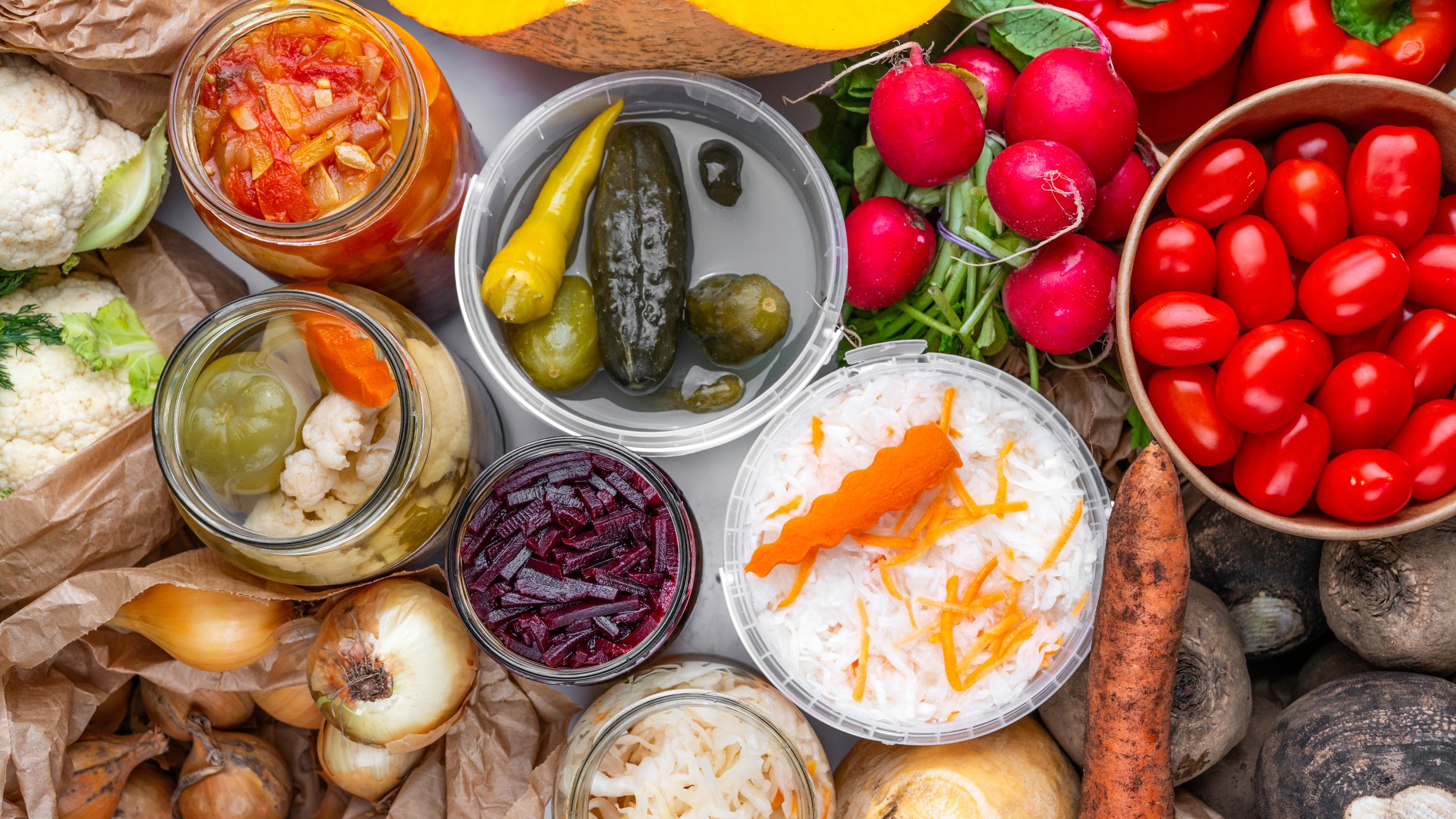
Fermented foods are an excellent source of probiotics, and gut flora is critical to immune function.
Stanford researchers found a fermented-food diet raises gut microbial diversity and lowers molecular signs of inflammation—larger servings, stronger effect.
Different microbes do different jobs: lactic acid bacteria, yeast fungi (beta-glucan), koji mold, acetic acid bacteria, and Bacillus natto.
Many fermented foods also carry immune-boosting nutrients like vitamin C, iron, and zinc.
Strong Immune
Probiotic-rich foods can boost the immune system and reduce the risk of infection, and fermented foods are an excellent source of probiotics.
The immune system is a complex network of cells, tissues, and organs that protect the body from foreign invaders—bacteria, viruses, and other harmful microbes. The gut is home to many of these invaders, so gut health matters for immune function. The gut flora (the bacteria living in the gut) is critical to that function. Probiotics are live microorganisms similar to the beneficial microbes already in the human gut. Probiotic-rich foods can boost immunity and reduce infection risk, and fermented foods deliver them well.

Probiotics maintain gut epithelial barrier.
Fermented food is rich in probiotics
Fermented food is rich in probiotics—beneficial active microorganisms that colonize the human intestines and shift the composition of the flora in particular parts of the host. Recent evidence shows probiotics play significant roles in gut microbiota composition: they can inhibit the colonization of pathogenic bacteria, help build a healthy intestinal mucosa protective layer, and enhance the immune system. So consuming fermented food regularly may help maintain a strong, healthy immune system. Research highlights gut microbiota-directed interventions—enriching the diet with functional natural products like probiotics and phytochemicals—as a promising strategy to promote immune performance, modulate inflammation, and improve health.
According to Stanford School of Medicine researchers, a diet rich in fermented foods enhances the diversity of gut microbes and decreases molecular signs of inflammation. Foods like yogurt, kefir, fermented cottage cheese, kimchi and other fermented vegetables, vegetable brine drinks, and kombucha tea led to an increase in overall microbial diversity, with stronger effects from larger servings.
Another study showed that consuming fermented food promotes gut health and modulates the immune system. Specific probiotics may be a powerful tool to re-establish gut homeostasis, because they help fight inflammation and support immunity.
The growth of beneficial bacteria
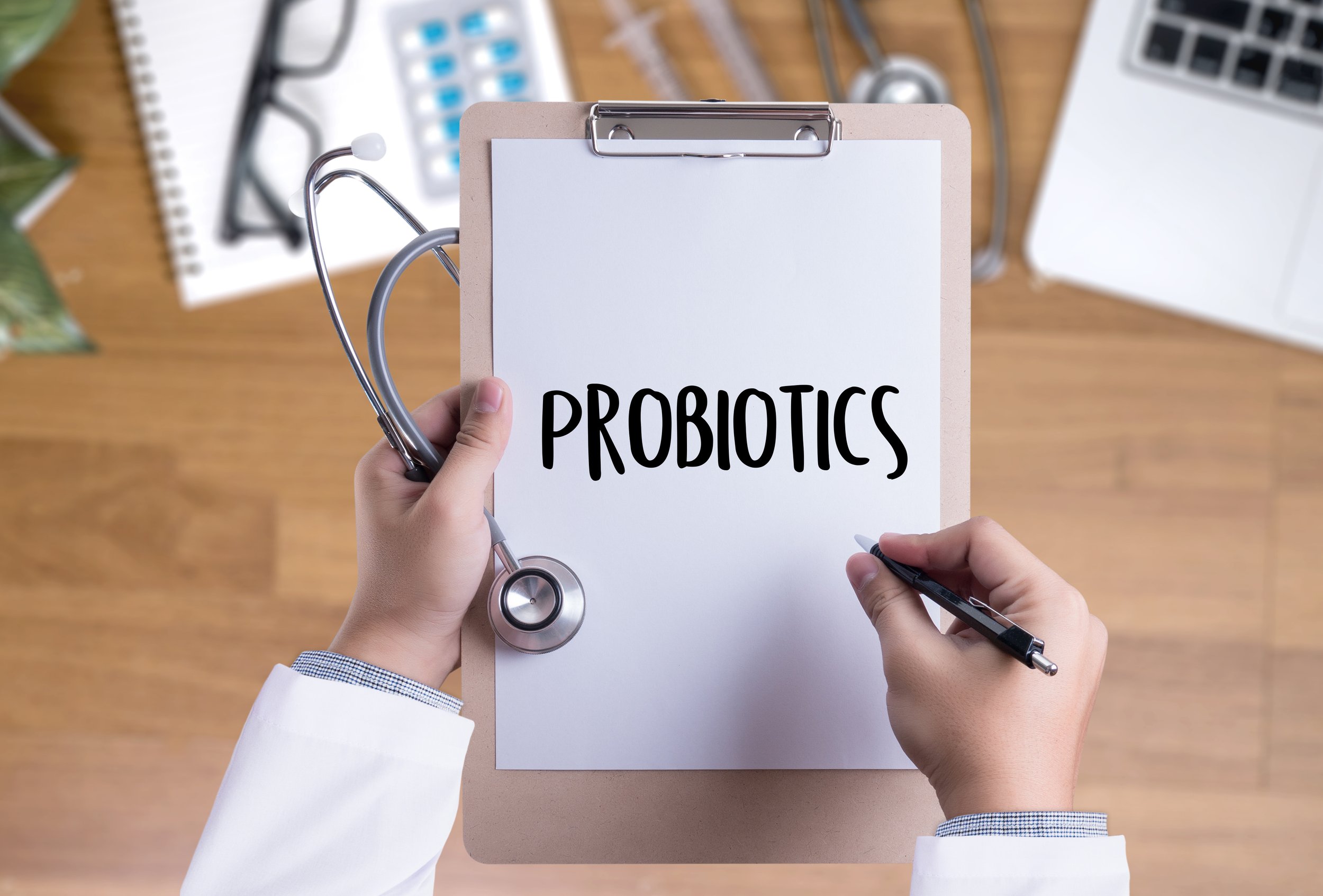
Fermentation breaks down sugars in food, letting beneficial bacteria grow. These bacteria produce compounds that support the immune system. Different microbes drive different fermentations, and their functions differ too. Here's how each type relates to immunity.
Lactic acid bacteria
Lactobacillus is a general term for bacteria that break down sugars and other carbohydrates to produce lactic acid. There are hundreds of types, including Bulgaria, Gasseri, and Labre bacteria. Lactobacilli are representative beneficial bacteria: they increase helpful bacteria, improve the intestinal environment, and activate immune cells. They also activate "macrophages"—immune cells in the blood and tissues—sharpening their ability to attack foreign substances. Lactic acid bacteria are essential in food production, converting milk into yogurt, cheese, and other fermented dairy that's delicious, easier to digest, and full of probiotics. They're also used in sourdough bread and kimchi.
Beyond the kitchen, lactic acid bacteria have many potential health benefits. Some research suggests they improve digestion, boost immunity, and even help prevent certain cancers. The exact mechanisms are still under study, but research has shown certain Lactobacillus members lower carcinogenic enzymes produced by colonic flora—normalizing intestinal permeability and microflora balance, producing antimutagenic organic acids, and enhancing the host immune system. More research is needed to confirm these benefits.
Yeast fungi
Yeast fungi are single-celled fungi that reproduce by budding. Cells are oval or spherical, 2 to 50 micrometers in diameter depending on species. Yeast is a eukaryotic microorganism in the kingdom Fungi, with 1,500 species currently described, distinguished from molds because they lack hyphae. Yeast lives in many environments—soil, water, plant surfaces, animal tissues, and body fluids—and has been isolated from air, water, plants, and animals, usually using selective media that favor yeast growth over other microorganisms. Yeast cells can metabolize various sugars, including glucose, sucrose, maltose, and xylose, and can ferment some sugars to ethanol, though that's less common in baker's yeast.
Yeast fungi brew alcohol and make bread. Yeast also contains beta-glucan, which isn't digested and absorbed but acts directly on immune cells in the intestines to enhance immunity.
Koji mold
Koji mold produces koji in Japanese seasonings and fermented foods like miso, soy sauce, and mirin. It's made from rice inoculated with Aspergillus oryzae mold, which breaks down the rice's carbohydrates and produces enzymes that give koji its unique flavor. Koji anchors traditional dishes like miso soup, soy sauce, and mirin, and it's used to make sake. Its benefits are real: the enzymes improve digestion and absorption, and the oligosaccharides they produce feed beneficial bacteria, which raises immunity. Koji mold is a versatile, central ingredient in Japanese cuisine—try it the next time you cook a Japanese dish and enjoy the flavor it imparts.
Acetic acid bacteria
Acetic acid bacteria convert alcohol into acetic acid, the component of vinegar that gives it its sour taste. These bacteria have probiotic properties and promote gut health. They also stimulate and activate the immune switch in intestinal immune cells, enhancing immunity and suppressing allergy symptoms. When adding vinegar to your diet, choose a quality product with live and active cultures of acetic acid bacteria.
Bacillus natto
Bacillus natto is essential to fermenting soybeans into natto. This Bacillus subtilis fungus resists heat and acid, so it can reach the intestines alive. There it attaches to "M cells" that monitor foreign substances like viruses on the outside of "Peyer's patches," the organ responsible for the intestine's immune function. This way, Bacillus natto helps activate immune cells, protect against foreign substances, and improve overall gut health.
Natto is a traditional Japanese food made from fermented soybeans, with a strong flavor and slightly slimy texture. It's rich in protein, fiber, and vitamins, and thanks to its probiotic benefits, it may improve digestion and support a healthy gut microbiome.
Fermented foods, made by the bacteria above, benefit the microbiome by enhancing its function and reducing disease-causing bacteria in the intestines. Fermented fruits, vegetables, and grains enrich the diet with beneficial microorganisms, vitamins, and minerals that support gut health, immunity, and inflammation control.
If you care about a robust immune system, fermented foods belong in a healthy diet. They offer benefits that keep the body healthy and infection-free, and many are rich in immune-boosting nutrients like vitamin C, iron, and zinc—which help the immune system function correctly. Stay healthy with fermented foods.
References:
Wang X, Zhang P, Zhang X. Probiotics Regulate Gut Microbiota: An Effective Method to Improve Immunity. Molecules. 2021 Oct 8;26(19):6076. doi: 10.3390/molecules26196076. PMID: 34641619; PMCID: PMC8512487.
Shahbazi, R., Sharifzad, F., Bagheri, R., Alsadi, N., Yasavoli-Sharahi, H., & Matar, C. (2021). Anti-Inflammatory and Immunomodulatory Properties of Fermented Plant Foods. Nutrients, 13(5), 1516. https://doi.org/10.3390/nu13051516
Wastyk, H. C., Fragiadakis, G. K., Perelman, D., Dahan, D., Merrill, B. D., Yu, F. B., Topf, M., Gonzalez, C. G., Van Treuren, W., Han, S., Robinson, J. L., Elias, J. E., Sonnenburg, E. D., Gardner, C. D., & Sonnenburg, J. L. (2021). Gut-microbiota-targeted diets modulate human immune status. Cell, 184(16), 4137–4153.e14. https://doi.org/10.1016/j.cell.2021.06.019
Kechagia M, Basoulis D, Konstantopoulou S, Dimitriadi D, Gyftopoulou K, Skarmoutsou N, Fakiri EM. Health benefits of probiotics: a review. ISRN Nutr. 2013 Jan 2;2013:481651. doi: 10.5402/2013/481651. PMID: 24959545; PMCID: PMC4045285.
FAQ
How do fermented foods support immunity?
They deliver probiotics that shape gut microbiota, inhibit pathogenic bacteria, strengthen the intestinal mucosa, and activate immune cells—Stanford research links a fermented-food diet to higher microbial diversity and less inflammation.
Which microbes are involved and what do they do?
Lactic acid bacteria activate macrophages; yeast fungi supply beta-glucan; koji mold (Aspergillus oryzae) feeds beneficial bacteria; acetic acid bacteria flip the intestinal immune switch; and Bacillus natto reaches Peyer's patches alive.
Which fermented foods should I eat?
Yogurt, kefir, fermented cottage cheese, kimchi and other fermented vegetables, kombucha, and Japanese staples like miso, soy sauce, and natto—many also carry vitamin C, iron, and zinc.


Casual and athletic in design, Tateki Tech presents All Over Print pullover in black. It features a Tateki Tech script pattern throughout for signature style. This sporty top features a drawstring hood and the classic allover logo makes a statement. Ribbing at the hem and cuffs adds comfort and shape to this layer.
Detail
All-Over Print Unisex Hoodie has a comfortable relaxed fit, and a fabric that feels soft to the touch thanks to the unique cotton and polyester blend. The brushed fleece inside makes this hoodie a true wardrobe favorite.
70% polyester, 27% cotton, 3% elastane
Fabric weight: 8.85 oz/yd² (300 g/m²)
Soft cotton-feel fabric face
Brushed fleece fabric inside
Unisex style
Overlock seams
Download CPSIA compliance certificates here


Discount Code “TATEKIMATSUDA“


NEWS
OPTIMIZED LIFE

TATEKITCHEN
BLOG

Fought in the cage for nearly twenty years. Studied the science afterward. Now taking both to Mumbai. On 15–16 August 2026, Tateki Matsuda speaks on the Main Stage at Longevity Summit India 2026 at Fairmont Mumbai, with a talk titled The Fighter's Paradox: Stress Makes Us Stronger — Until It Doesn't. The summit is built on a five-dimensional framework — Earth, Water, Air, Fire, Flow — and is chaired scientifically by Dr. Arpit Bansal, who joined HOLOLIFE Summit Tokyo in 2025. Tokyo to Mumbai: the direction reverses.