
The security guard blocked us at the hotel gate. You two, stop right there.
I was in the back of a three-wheeled taxi that had cost me 100 rupees. I dug through my pocket and pulled out my room key.
His face said the rest. You're staying here? Then why are you riding in that?
What's up TekNation. No, wait. Namaste. Tateki here, back from India.
India was intense.
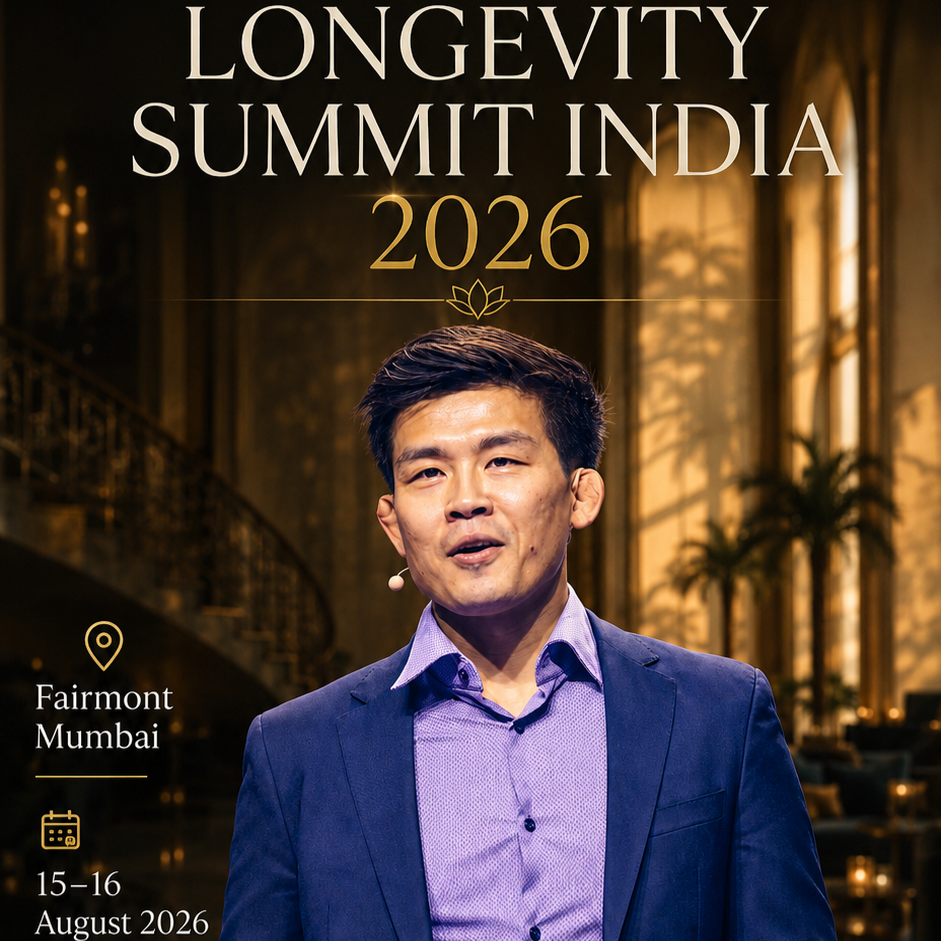
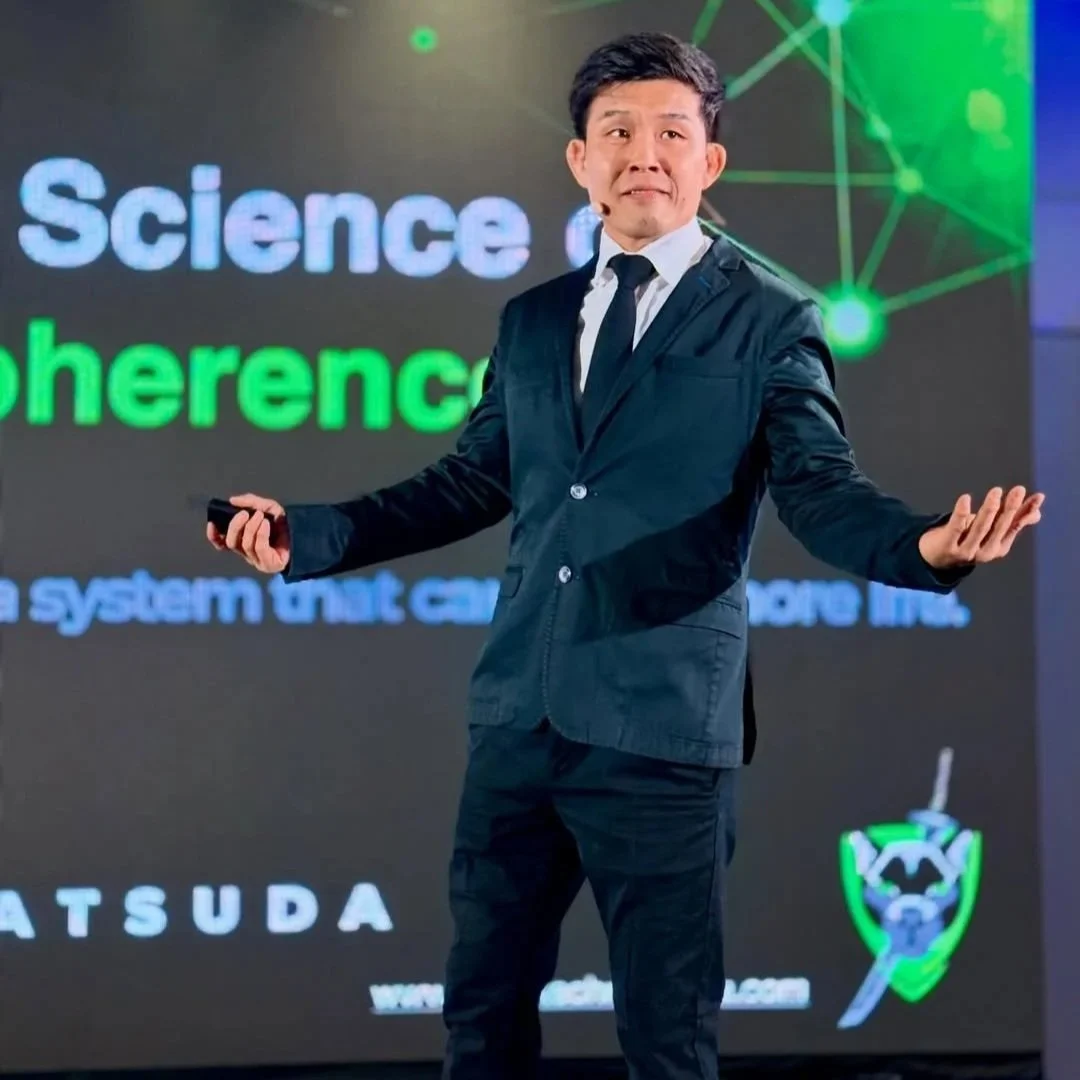
In August I went to Mumbai for Longevity Summit India 2026, the first edition as far as I know. Longevity is hot right now. Forget anti-aging. The talk is reverse aging, as in, let's just get younger.
I was there to speak, and that talk has its own page. So the health science can wait. Today is my Mumbai culture shock, all of it, from my first trip to India.
One thing first. I saw a very small piece of India, and everything here is one guy's impression.
Do you need a visa to visit India?
Yes. With my Japanese passport I did, and I found out three days before my flight.
I had no idea. And the e-Visa has to be applied for four days ahead. The coordinator hadn't said a word either. Awful, right? But I'm the one who left everything to other people.
So I looked it up. Passports from Japan, South Korea and the UAE can get a visa on arrival: you apply at the airport after you land. Saved.
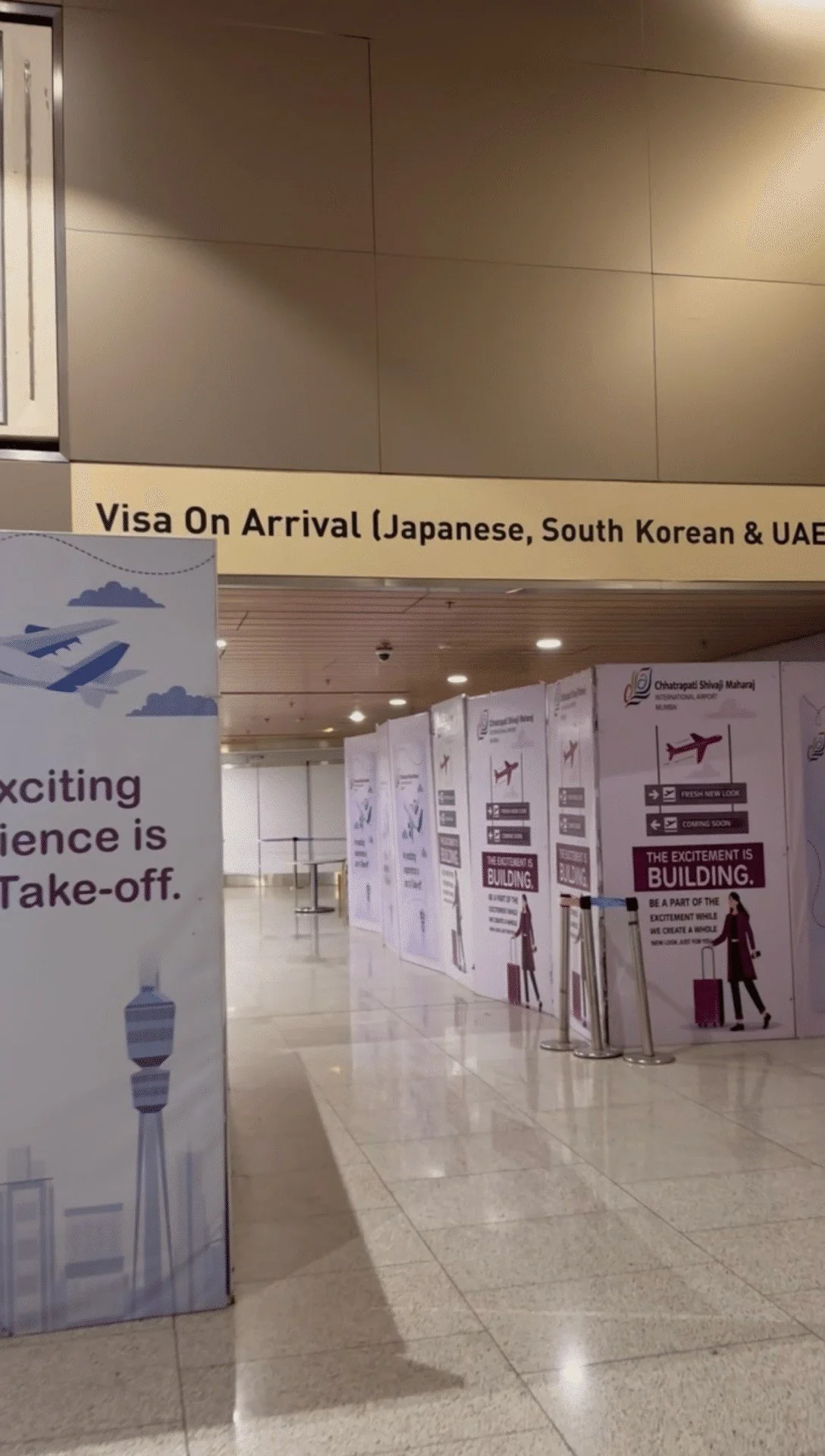
It was all the way in the back.
I landed in Mumbai at 11:30 at night. Late-night immigration plus visa paperwork, and I reached the hotel in the dead of night.
A hotel where I couldn't open my own water bottle
The venue was the Fairmont Mumbai, a seriously high-end hotel. The hotel was a partner of the summit, so for two days the event and my room were in the same building. Forgot something? Back to the room in a minute.
The buffet even had sushi. As a guy from Tokyo, I was a little scared. Tuna and salmon, in the classic overseas style: rice on the outside, a cousin of the California roll.
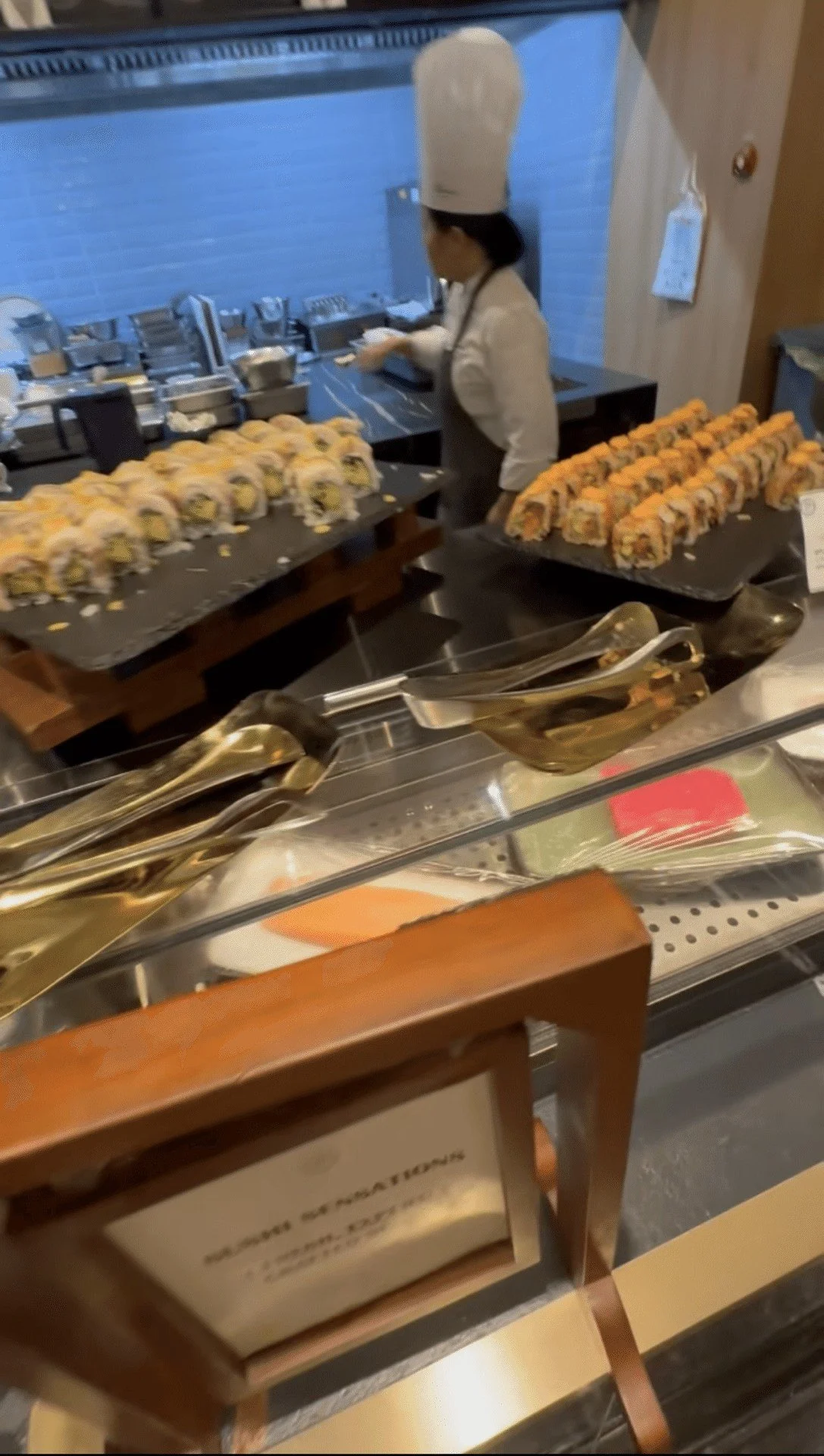
Not sushi. Sushi, with a capital S.
A student of mine had made me a list of street food stalls to try. In the end I had no time for street food, or for any sightseeing at all. My stomach gave out anyway. The Europeans at the summit said it got them too. The victims' best guess: probably the milk in the masala chai.
What floored me, though, was how many people there were, and how much care they put into looking after me.
In the sauna there were always about two staff members on standby. Straightening the towels, I get. But they also tried to open the cap of my water bottle. I can do that one myself. The moments when you just want to sit alone and zone out? Zero.
In the gym I was doing pull-ups to get my body right after the flight. The second I dropped off the bar, a staff member came over and said, "Great leg muscles."
Pull-ups are upper body. But that little mismatch was part of the charm.
This is purely my own impression. I never meant to be anybody's boss, but the whole time there was a kind of servant-and-master distance, and I could not get used to it.
Meals were the same. It was a buffet, but seats were assigned and someone took drink orders at the table.
One catch. What I ordered did not come.
A fresh juice before the meal, to wake up my stomach. Never came. An omelet a chef cooked right in front of me, with my table number. Never arrived.
The only exception was the espresso after the meal. I asked the same person a second time, and it came. Only the espresso.
Push-ups with "the toughest man in India"
The summit itself was something else.
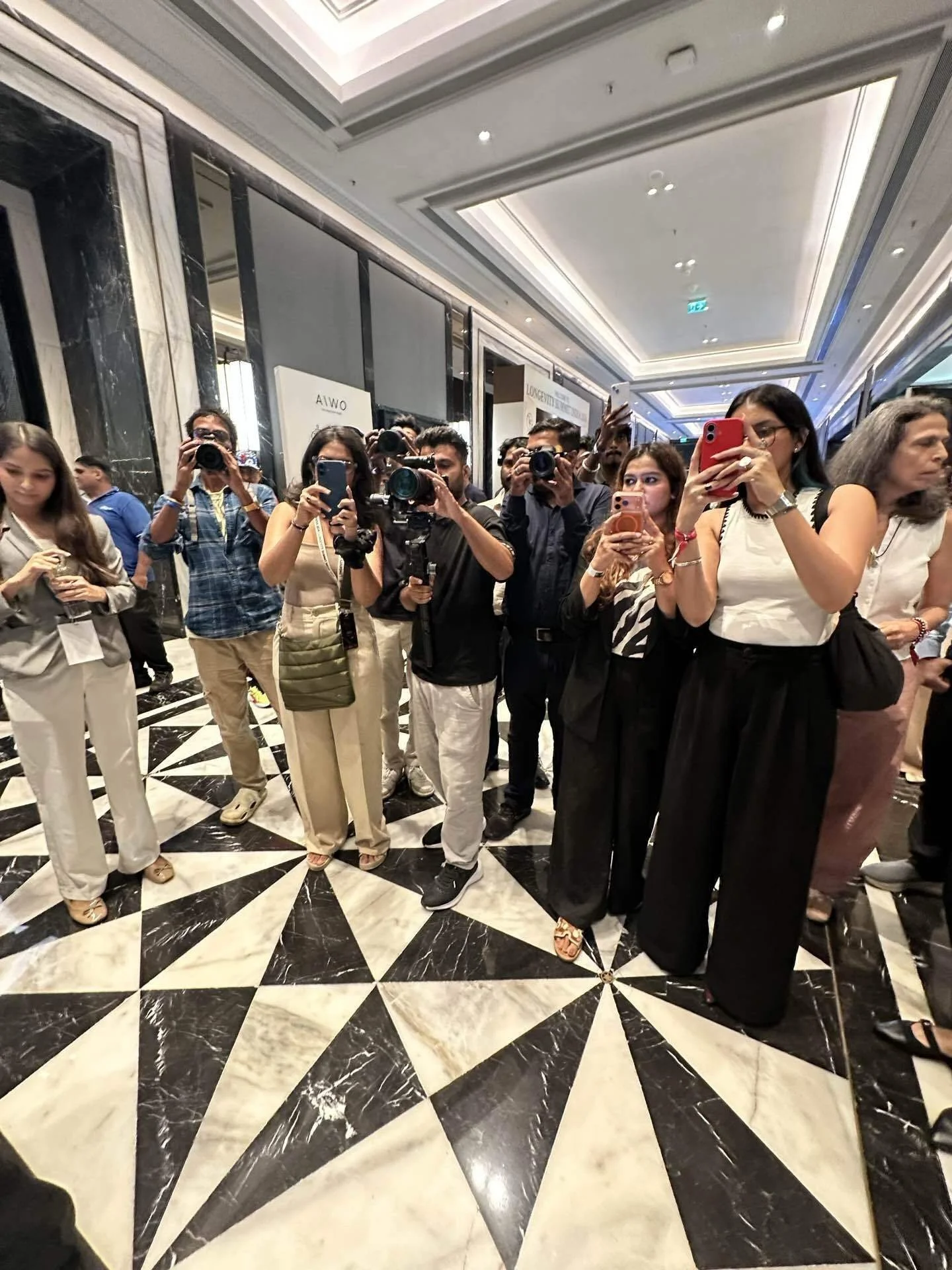
So embarrassing that I took a photo of it anyway.
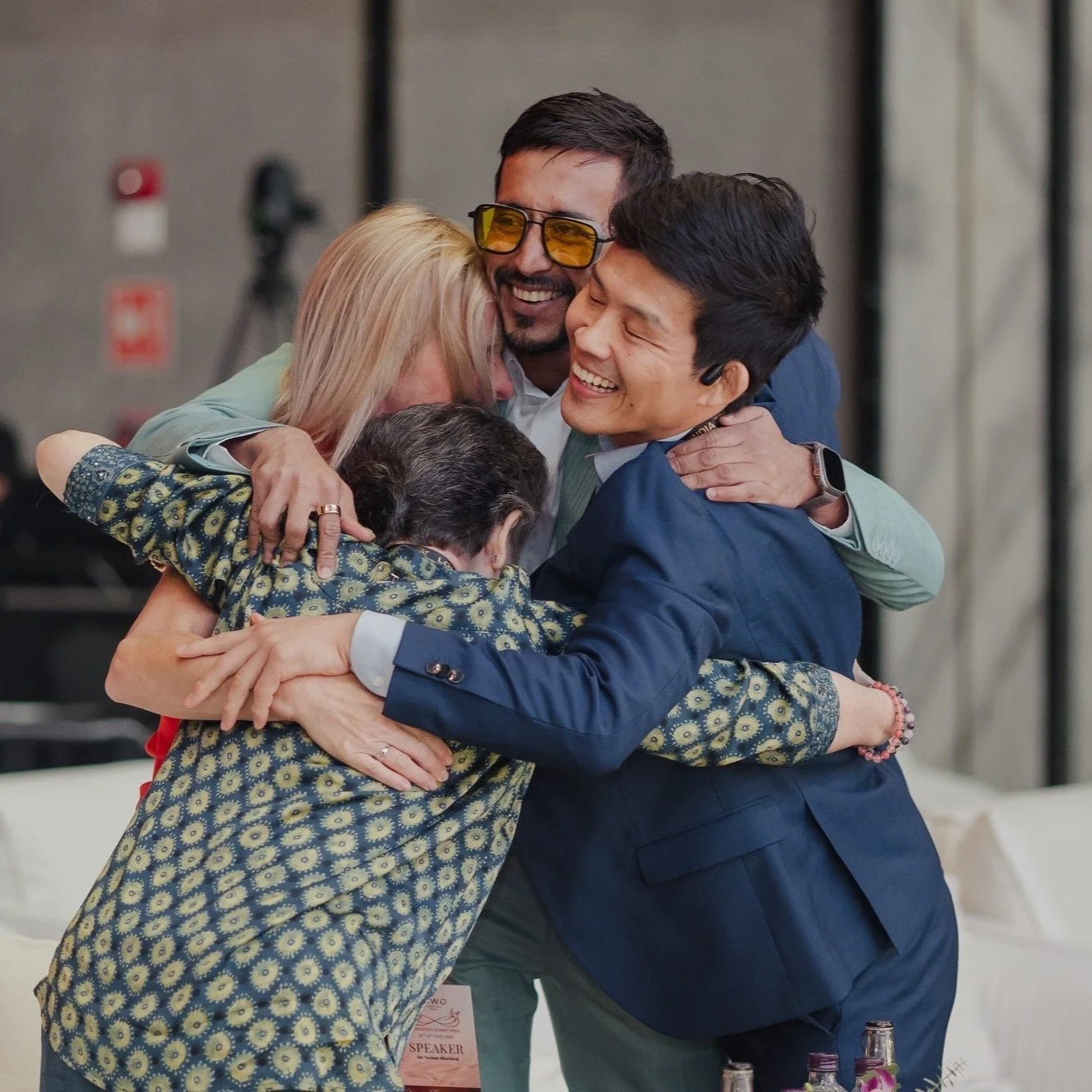
I had a push-up contest with someone who was, roughly, "the toughest man in India." I said hello to someone who seemed to be a Bollywood celebrity. Honestly, I can't tell who is how big a deal. But in a country with this many people, if you're famous, you must be on another level. So I kept my head low and said, "Nice to meet you."
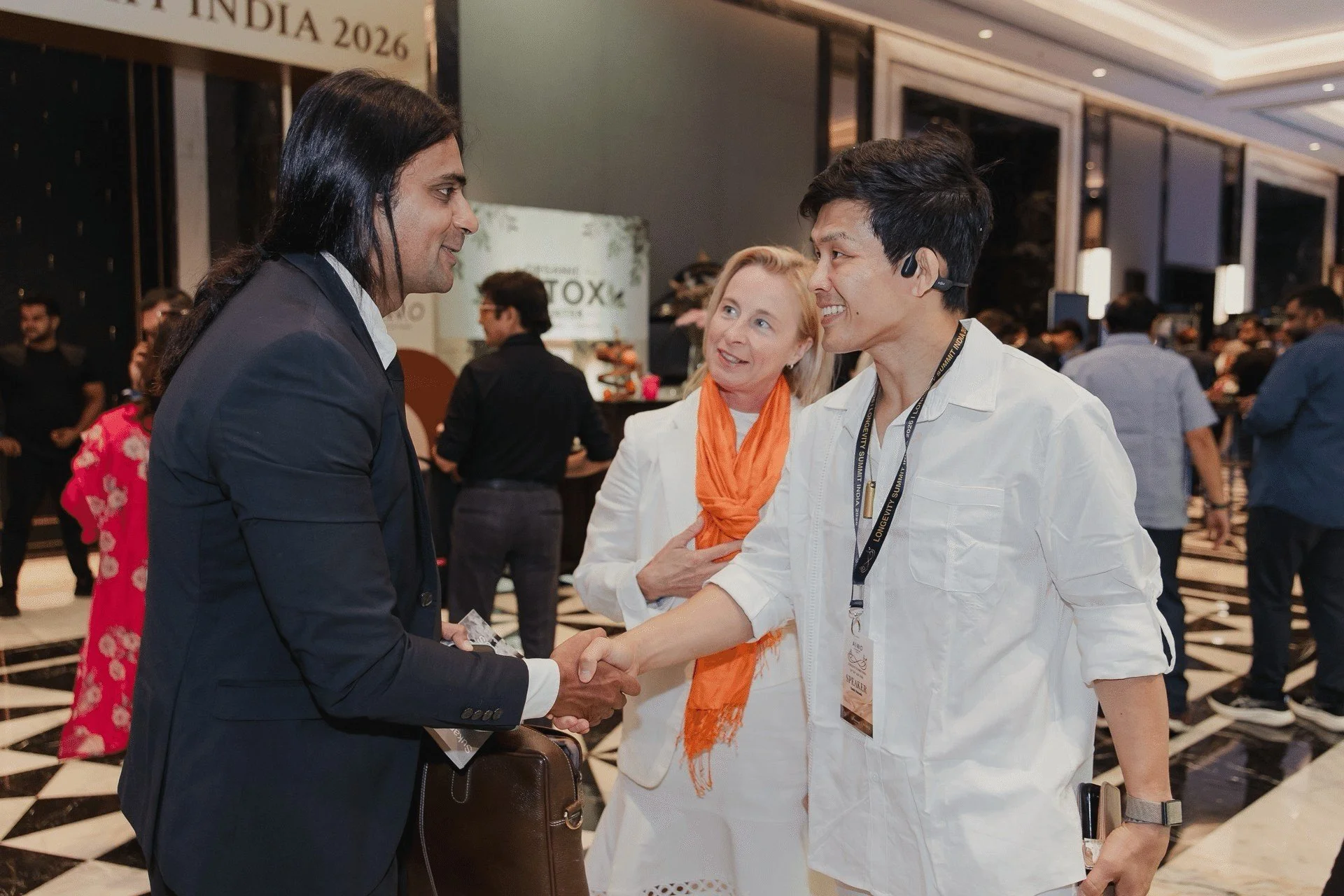
I'm told he is the Tarzan of India.
Some conversations felt bigger than wellness and longevity, closer to diplomacy and politics. That's all I can say for now. But I might end up in India every August.
I also came home with mixed feelings. Cutting-edge medical machines are coming in from Europe and America, and I could feel the pull of medical and wellness tourism: stay at a luxury hotel, get your body checked. But the money wealthy foreigners spend in India probably doesn't reach the people living outside the hotel gate. The gap between that hotel and what I saw one step outside it is still stuck in my head.
How much does an auto rickshaw cost in Mumbai?
Mine cost 100 rupees, a little over a dollar. Here's the story.
I had even packed training clothes and a mouthguard for a martial arts gym in Mumbai. Neither got used. My wife, though, had given me a mission: if you see cute clothes in Indian fabric, bring some home. So on the day I left, I went to a market.
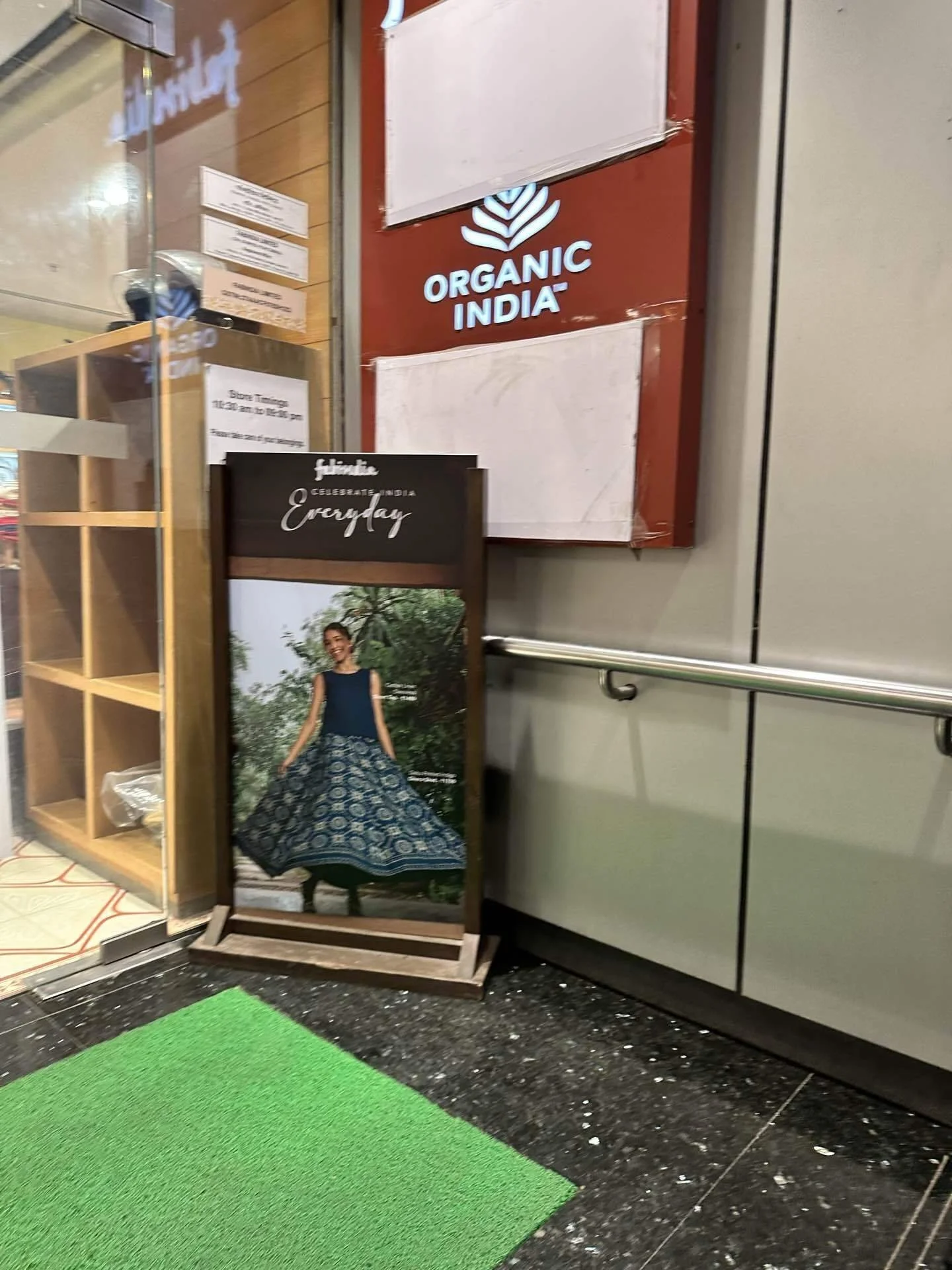
A big hit with the family.
The ride there was a comfortable, air-conditioned Uber. The hotel lobby had offered me a limousine, and I politely said no thanks, I've booked my own.
Then I took one step outside the hotel gate, and the world changed. I thought my jaw would come off. The Fairmont sits above the street like something in the sky, its entrance at the top of a steep slope about two or three floors high, closed off by a gate.
The shopping was fast. A video call with my wife. "This color?" "Is the size right?" Done.
The problem was the ride back. There was a three-wheeler, the kind Thailand calls a tuk-tuk and India calls an auto rickshaw, for 100 rupees. The Uber over had been about 400. I figured I had to try the local way once. Half scared, half curious, I booked one.
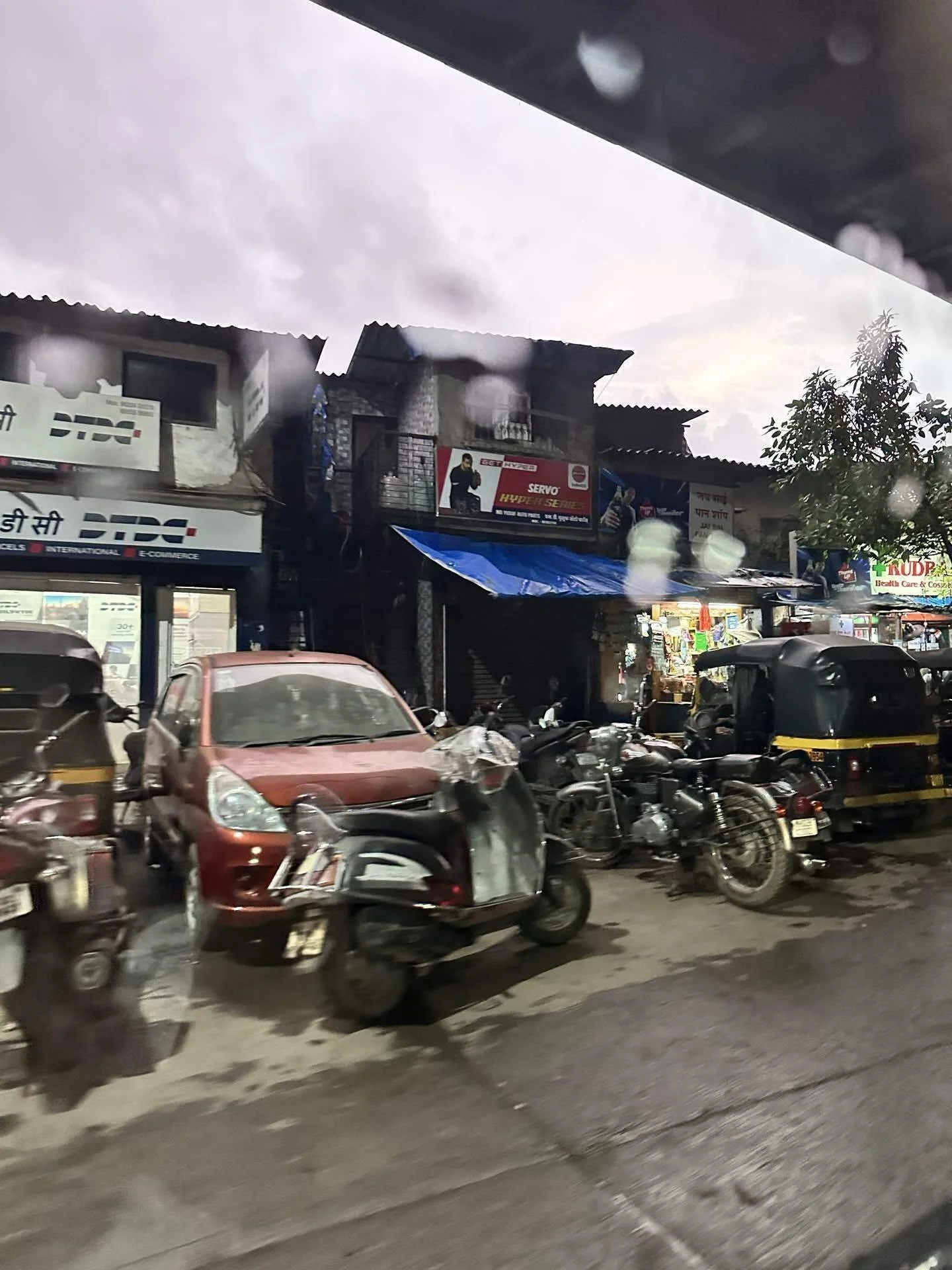
A photo can't carry the smell.
It showed up. "Whoa, it really came." No seat belt, of course. We rattled over the curb of the median like a scooter and onto the other side of the road. Following distance: none. It's open to the air, so every smell of the street comes straight in. And at every red light the driver got out and checked the front wheel. So many times that I wondered if we had a flat.
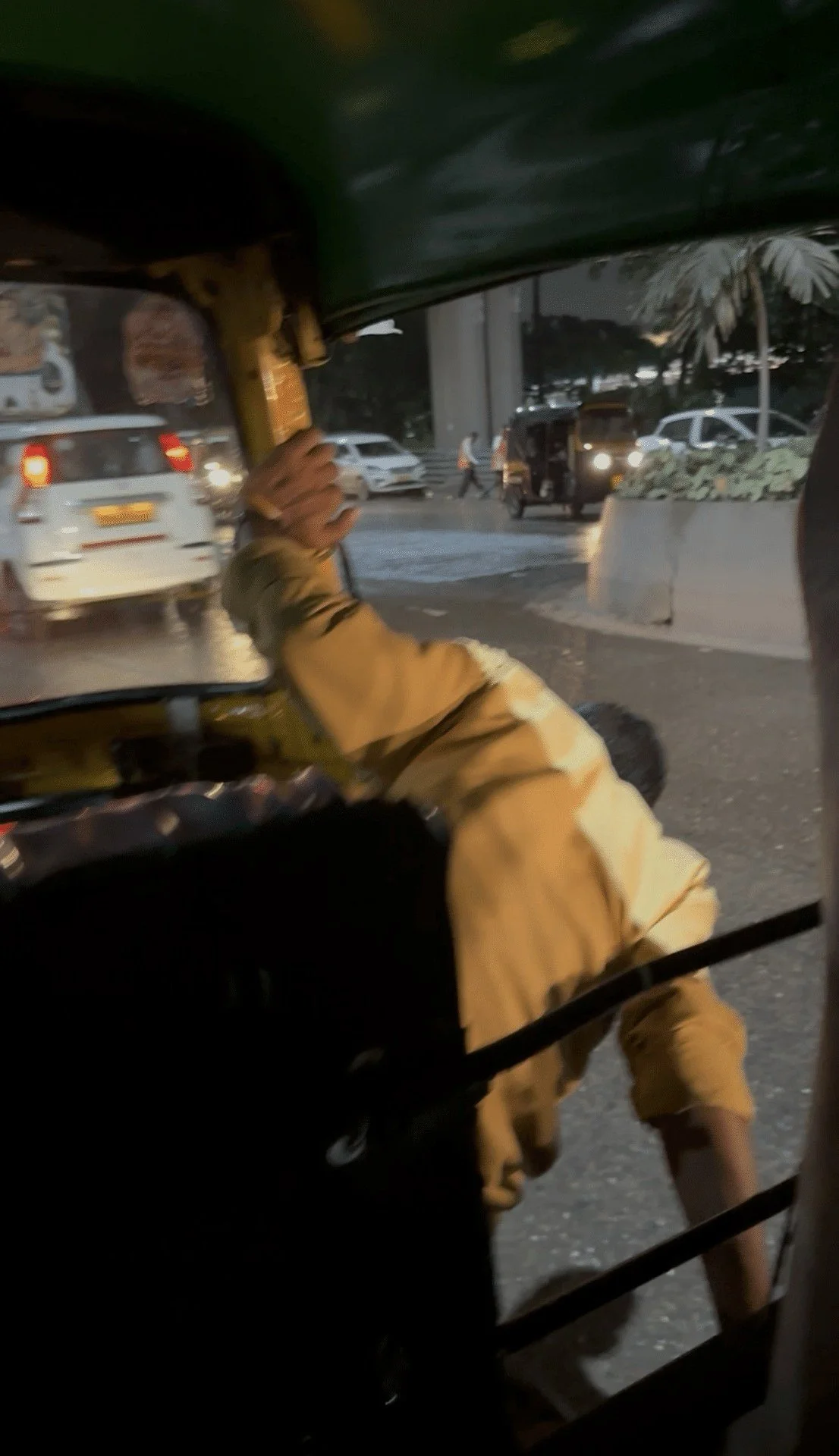
Seriously, please stop checking the front wheel.
We're going to hit, we're going to hit... we didn't hit! Again and again. I thought I was going to die.
Then we reached the hotel, and you know this part. When I fished out my Fairmont room key, the guard was stunned. The driver glanced back, looking awkward. "It's fine," I said. "I'll get out here."
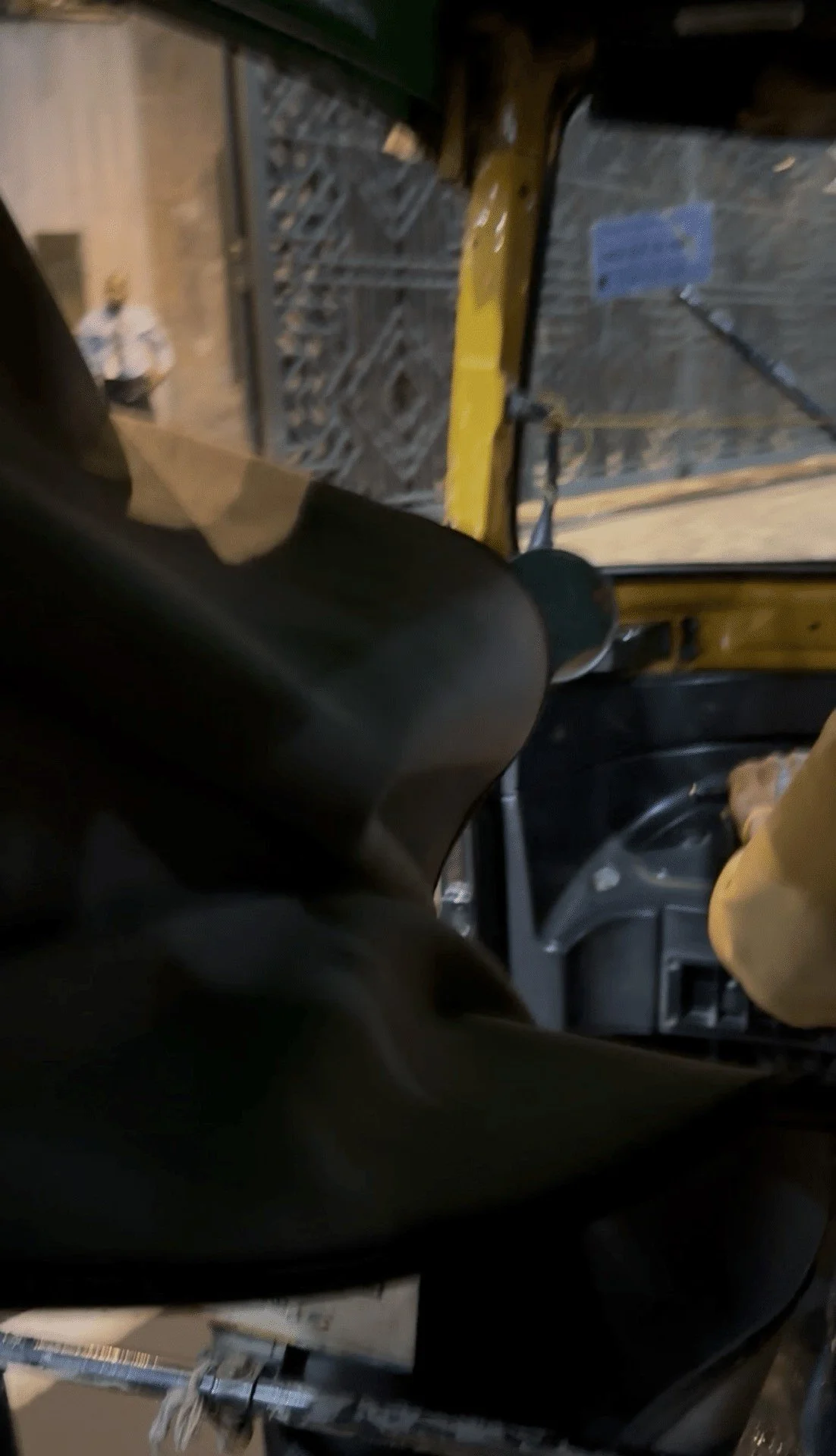
A moment later, the guard in the upper left stops us.
I was nearly turned away at the gate of my own hotel. One room key got me through, up the steep slope and into the gorgeous, air-conditioned lobby.
India. Wow.
What do you wear to a gala dinner?
At this one, anything from a full suit to casual clothes, plus what looked to me like Indian formal wear.
When someone says "gala dinner," you worry about the dress code. Should I pack a tuxedo?
Outside the ballroom where the keynotes were held, the hallway to the startup exhibits had turned into half a food festival. Chefs were lined up like street stalls, cooking while they explained which nutrients in each dish do what. And you ate right there, standing up.
Japan has tachigui soba, noodle counters where you eat on your feet. This was a tachigui gala.
The Europeans and Americans kept trading looks. That long table over there... ah, taken. Afterward, plates and cutlery were left sitting all over the place. Plenty of waiters cleared them, of course. But I'm Japanese. I won't say I needed a tray return counter, but, you know? I could not relax.
The whole thing had serious momentum.
One more Mumbai culture shock: the crowd
At the summit I'd be deep in a good conversation, with someone I knew or someone I had just met. And another person would step right into it. "Hi."
Wait, I'm talking with this person right now. I froze, eyes wide open. Nerves of steel! And it wasn't one or two people. It kept happening.
There was zero bad intent. The way people closed the distance was just different from mine, right down to the root.
Again, I saw a very small piece of India. Somewhere else, there may be a completely different one.
Still, I had a feeling the sheer number of people was connected to all of it: the over-the-top service, the people stepping into conversations, the momentum of the country. You can put that many people on the floor because there are that many people. And that many people make a kind of heat.
That heat pushed me right back, and I flew home. That was my first India.
Your turn. Have you been to India? What was your culture shock? Tell me in the comments.
Quick facts
Longevity Summit India 2026 was held on August 15 and 16, 2026 at Fairmont Mumbai. Harper's Bazaar India wrote about it.
India gives a visa on arrival to nationals of Japan, South Korea and the UAE (with conditions for UAE nationals) at six airports, Mumbai included. The rules are on the Government of India's visa site.
The e-Tourist and e-Business visas have to be applied for online at least four days before you arrive, according to the Consulate General of India in San Francisco.
The rupee closed at 95.61 to the US dollar on August 17, 2026, according to HDFC Sky. So 100 rupees, my rickshaw fare, was a little over one dollar.
Want the next one in your inbox? Join TekNation with the newsletter sign-up form on this page.


Casual and athletic in design, Tateki Tech presents All Over Print pullover in black. It features a Tateki Tech script pattern throughout for signature style. This sporty top features a drawstring hood and the classic allover logo makes a statement. Ribbing at the hem and cuffs adds comfort and shape to this layer.
Detail
All-Over Print Unisex Hoodie has a comfortable relaxed fit, and a fabric that feels soft to the touch thanks to the unique cotton and polyester blend. The brushed fleece inside makes this hoodie a true wardrobe favorite.
70% polyester, 27% cotton, 3% elastane
Fabric weight: 8.85 oz/yd² (300 g/m²)
Soft cotton-feel fabric face
Brushed fleece fabric inside
Unisex style
Overlock seams
Download CPSIA compliance certificates here

Discount Code “MATSUDA”
Discount Code “TATEKIMATSUDA”


Discount Code “TATEKI“

NEWS
- October 2026
- September 2026
- August 2026
- July 2026
- April 2026
- March 2026
- October 2025
- September 2025
- August 2025
- June 2025
- May 2025
- April 2025
- September 2024
- August 2024
- July 2024
- June 2024
- May 2024
- April 2024
- March 2024
- February 2024
- November 2023
- October 2023
- September 2023
- August 2023
- April 2023
- March 2023
- December 2022
- October 2022
- August 2022
- July 2022
- June 2022
- May 2022
- April 2022
- March 2022
- February 2022
- January 2022
- December 2021
- November 2021
- May 2021
- March 2021
- January 2021
- July 2020
- April 2020
- January 2020
- November 2019
- September 2019
- August 2019
- July 2019
- June 2019
- March 2019
- January 2019
- December 2018
- October 2018
- September 2018
- July 2018
- May 2018
- April 2018
- September 2017
- March 2017
- January 2017
- December 2016
- November 2016
- September 2016
- July 2016
- February 2016
- January 2016
- December 2015
- October 2015
- September 2015
- January 2015
- November 2014
- September 2014
- August 2014
Optimized Life
- November 2026
- October 2026
- September 2026
- August 2026
- February 2026
- December 2025
- June 2025
- July 2024
- April 2024
- October 2023
- September 2023
- May 2023
- April 2023
- March 2023
- January 2023
- December 2022
- November 2022
- October 2022
- August 2022
- June 2022
- November 2019
- August 2019
- July 2019
- June 2019
- May 2019
- March 2019
- December 2018
- August 2018
- June 2018
- December 2017
- November 2017
- October 2017
- September 2017
- September 2016
- August 2016
- February 2016
- May 2015
- April 2015
- February 2015
- August 2014
- June 2014
Tatekitchen
- November 2026
- September 2026
- April 2026
- February 2026
- January 2026
- December 2025
- November 2025
- February 2025
- January 2025
- December 2024
- November 2024
- October 2024
- September 2024
- August 2024
- July 2024
- June 2024
- May 2024
- April 2024
- February 2024
- January 2024
- December 2023
- November 2023
- September 2023
- July 2023
- June 2023
- May 2023
- February 2023
- January 2023
- December 2022
- November 2022
- August 2022
- January 2022
- December 2021
- November 2021
- September 2021
- July 2021
- June 2021
- May 2021
- April 2021
- March 2021
- February 2021
- January 2021
- December 2020
- November 2020
- September 2020
- August 2020
- June 2020
- May 2020
- February 2020
- December 2019
- November 2019
- August 2019
- May 2019
- March 2019
- February 2019
- January 2019
- November 2018
- October 2018
- June 2018
- May 2018
- January 2018
- December 2017
- November 2017
- September 2017
- July 2017
- May 2017
- April 2017
- January 2017
- December 2016
- October 2016
- September 2016
- July 2016
- May 2016
- April 2016
- March 2016
- February 2016
- January 2016
- November 2015
- May 2015
- April 2015
- March 2015
- October 2014
- September 2014
- August 2014
- June 2014
- May 2014
- February 2014
- June 2013
- April 2013
- March 2013
- November 2012
- September 2012
- July 2012
- June 2012
- May 2012
- March 2012
NEWS
OPTIMIZED LIFE
TATEKITCHEN
BLOG
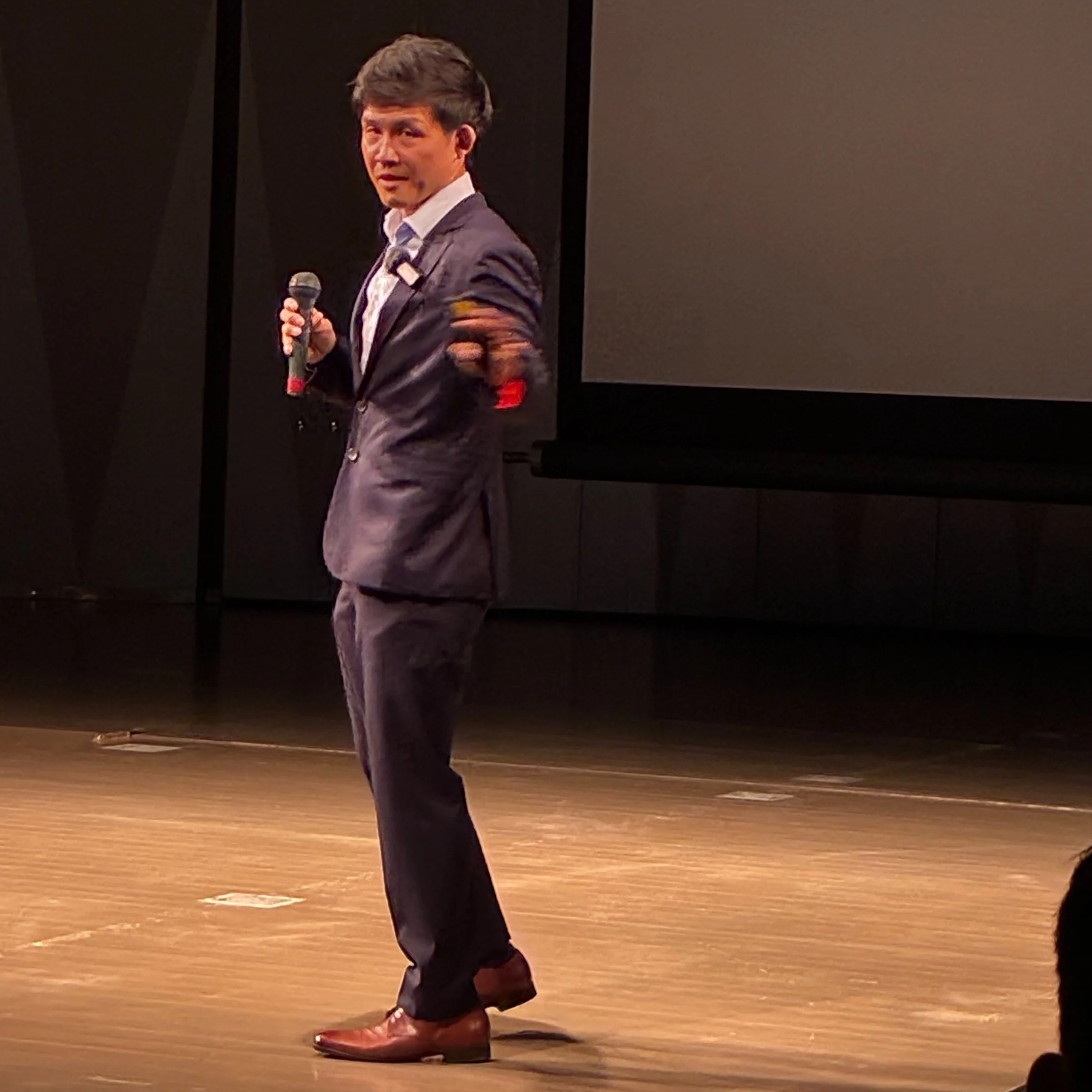
The Japan Biohacking Association published its first press release on PR TIMES on October 21, 2026, announcing its establishment and international collaboration activities.