
The Fighter’s Paradox: Stress Makes Us Stronger — Until It Doesn’t
What the Fighter’s Brain Teaches Us About Mental Mastery and Longevity
Can stress really make us stronger?
Sometimes.
But stress alone does not create resilience.
For years, one of the places where I learned the most about human performance was a locked cage.
I did not think of it as neuroscience at the time. I was simply trying to solve problems under pressure while another trained person was trying to solve me.
Years later, research gave me a different language for some of what I experienced.
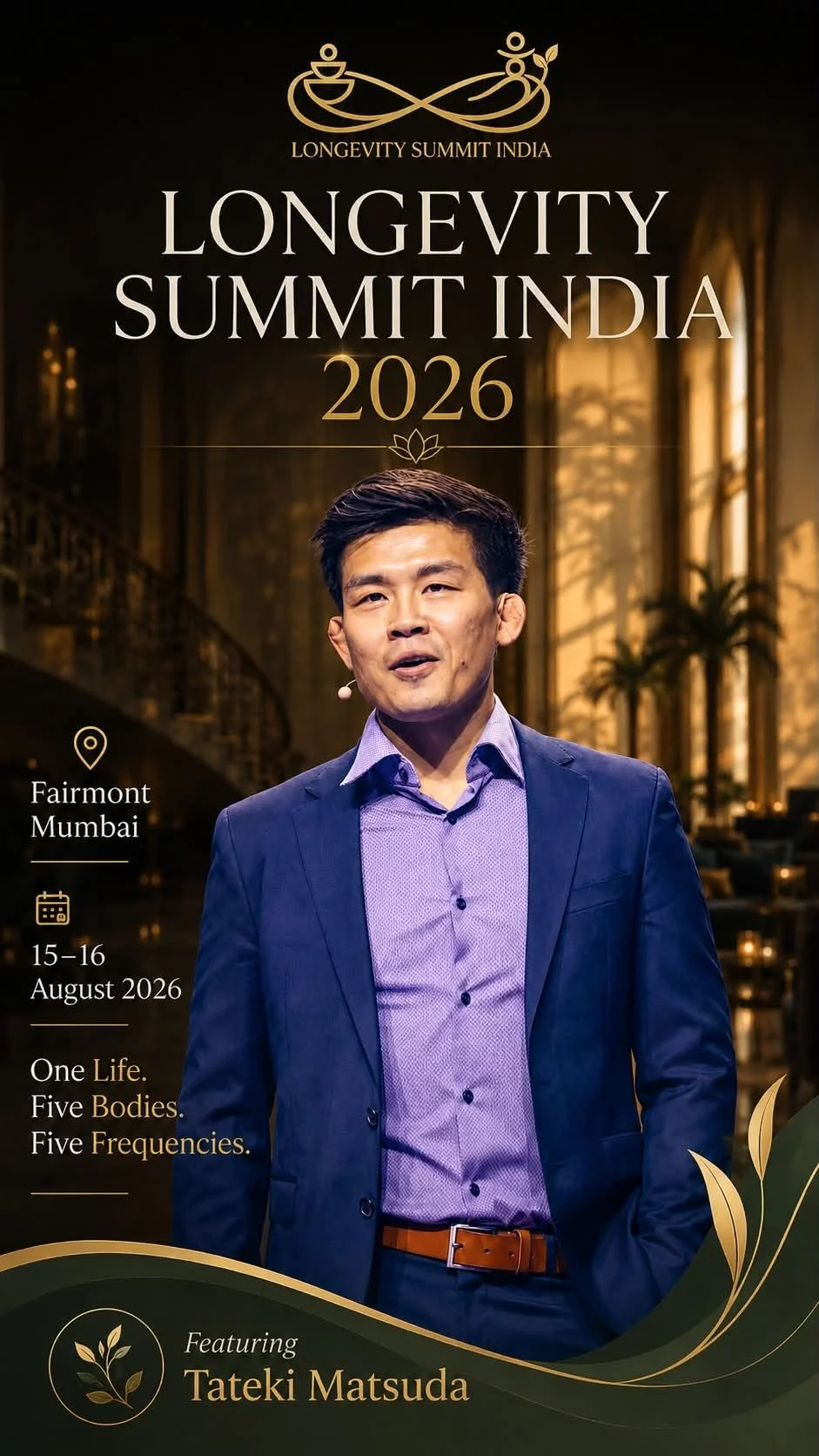
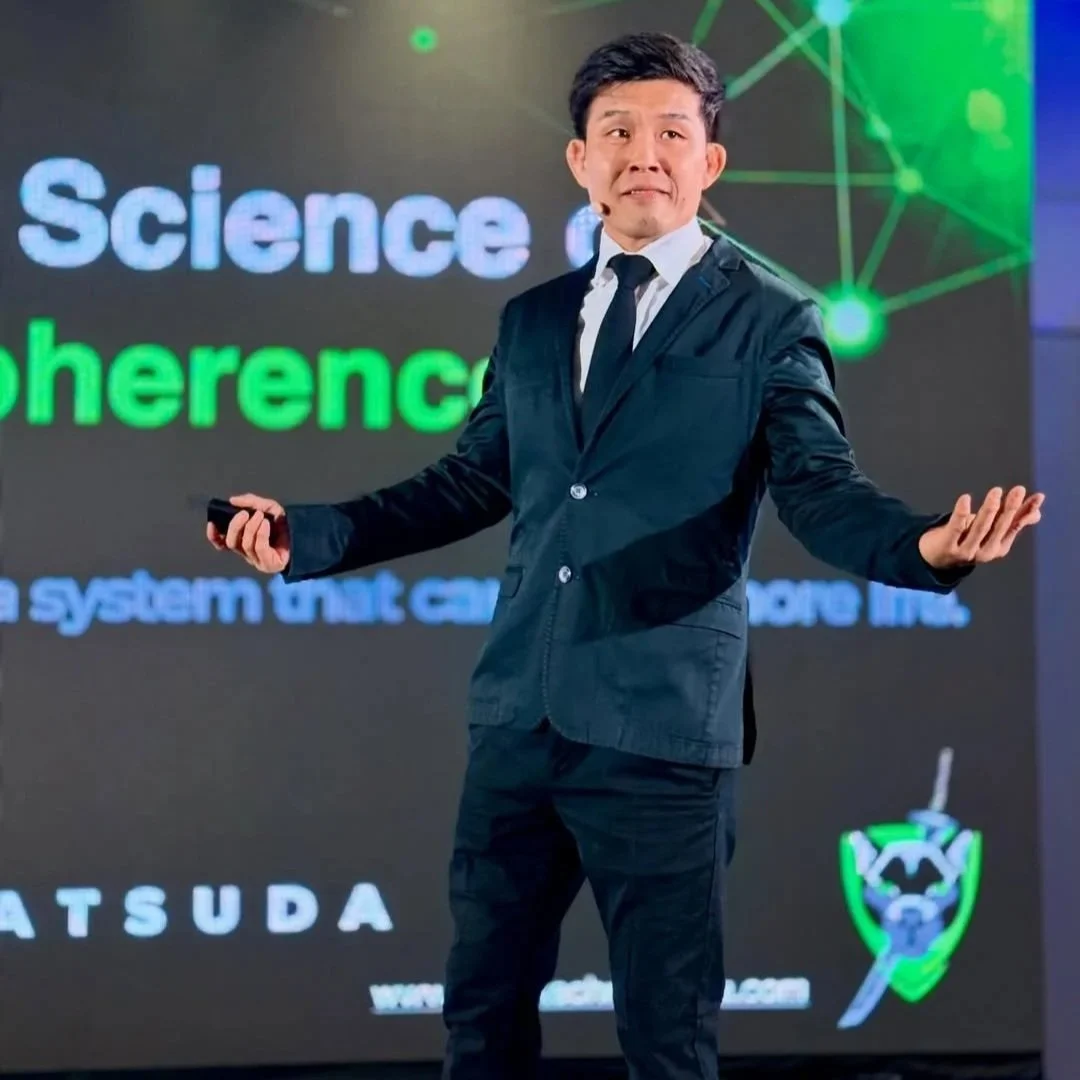
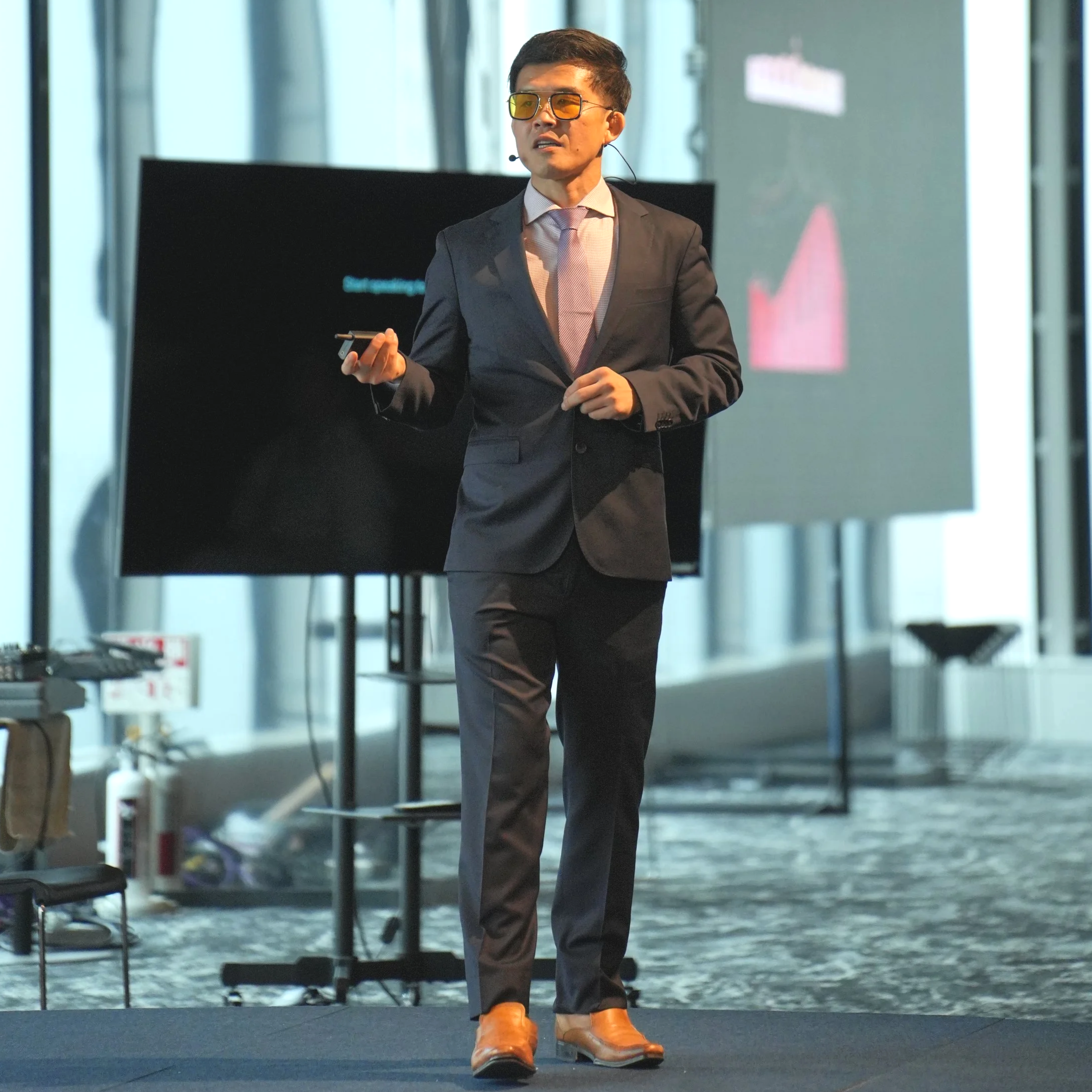
At Longevity Summit India 2026 at Fairmont Mumbai, I am presenting The Fighter’s Paradox: Stress Makes Us Stronger — Until It Doesn’t.
The presentation explores what combat-sport expertise may teach us about perception, anticipation, automaticity, recovery, adaptation, and ultimately longevity.
I am publishing the scientific references from the presentation here in advance so that anyone in the audience can return to the original research afterward.
Every major study referenced in my keynote is linked below. I encourage you to read the original research and evaluate the evidence for yourself.
The goal of longevity is not to remove uncertainty from life.
It is to remain capable when uncertainty arrives.— Tateki Matsuda
Quick Show Notes & Takeaways
FILTER: Expertise is not simply about making the brain work harder. Research on athletic expertise suggests that experts can become more selective in how neural resources are allocated.
FORECAST: Elite performers may not simply react faster. In an in-situ karate experiment, experts could extract useful anticipatory information earlier than near-experts and novices.
FLOW: What we call “instinct” may reflect accumulated experience and task-specific changes in cognitive control.
SCIENTIFIC BRAKE: Expert-versus-novice differences do not automatically prove that martial arts training caused those differences. Much of the existing literature is cross-sectional.
THE FIGHTER’S PARADOX: Training requires overload, but excessive load combined with inadequate recovery can lead to maladaptation rather than improved performance.
THE OPERATING SYSTEM:
LOAD → RECOVER → ADAPT → REASSESSLONGEVITY: The capacity worth preserving is not only strength, VO₂ max or muscle mass. It may also include our ability to notice change, make decisions, adapt, recover and continue functioning under uncertainty.
KOKOROZASHI — 志: Preserving capacity raises another question: capacity for what? I describe Kokorozashi as a deep, enduring direction in life—something worth devoting your life toward beyond a temporary goal.
Shownote
Shownote
Neural Efficiency in Athletes: A Systematic Review
Li L, Smith DM. Neural Efficiency in Athletes: A Systematic Review. Frontiers in Behavioral Neuroscience. 2021;15:698555.
Read the study →
https://doi.org/10.3389/fnbeh.2021.698555
Timing of In Situ Visual Information Pick-Up That Differentiates Expert and Near-Expert Anticipation in a Complex Motor Skill
Rosalie SM, Müller S. Quarterly Journal of Experimental Psychology. 2013;66(10):1951–1962.
Read the study →
https://doi.org/10.1080/17470218.2013.770044
Differences in Visuo-Motor Control in Skilled vs. Novice Martial Arts Athletes
Sánchez-López J, Fernández T, Silva-Pereyra J, Martínez Mesa JA, Di Russo F. PLOS ONE. 2014;9(3).
Read the study →
https://doi.org/10.1371/journal.pone.0091112
Martial Arts, Combat Sports, and Mental Health in Adults: A Systematic Review
Ciaccioni S, Castro O, Bahrami F, et al. Psychology of Sport and Exercise. 2024;70:102556.
Read the study →
https://doi.org/10.1016/j.psychsport.2023.102556
Prevention, Diagnosis, and Treatment of the Overtraining Syndrome
Meeusen R, Duclos M, Foster C, et al. Prevention, Diagnosis, and Treatment of the Overtraining Syndrome: Joint Consensus Statement of the European College of Sport Science and the American College of Sports Medicine. Medicine & Science in Sports & Exercise. 2013;45(1):186–205.
Read the consensus statement →
https://doi.org/10.1249/MSS.0b013e318279a10a
Recovery and Performance in Sport: Consensus Statement
Kellmann M, Bertollo M, Bosquet L, et al. International Journal of Sports Physiology and Performance. 2018;13(2):240–245.
Read the consensus statement →
https://doi.org/10.1123/ijspp.2017-0759
Monitoring Athlete Training Loads: Consensus Statement
Bourdon PC, Cardinale M, Murray A, et al. International Journal of Sports Physiology and Performance. 2017;12(Suppl 2).
Read the consensus statement →
https://doi.org/10.1123/IJSPP.2017-0208
Benefits of Martial Arts on the Functional Capacity of Elderly People: A Systematic Review and Meta-Analysis
de Mendonça DLC, Raider Junior JM, da Silva LBB, et al. Clinics. 2025;80:100830.
Read the study →
https://doi.org/10.1016/j.clinsp.2025.100830
Comparing the Effectiveness of Karate and Fitness Training on Cognitive Functioning in Older Adults
Witte K, Kropf S, Darius S, Emmermacher P, Böckelmann I. Journal of Sport and Health Science. 2016;5(4):484–490.
Read the study →
https://doi.org/10.1016/j.jshs.2015.09.006
Additional Reading
Impact of Taekwondo Training on Cognitive and Physical Function in Elderly Individuals
Li X, Bae JH, Lim B, et al. Complementary Therapies in Clinical Practice. 2024;57:101878.
Read the review →
https://doi.org/10.1016/j.ctcp.2024.101878
Effects of Karate Training Versus Mindfulness Training on Emotional Well-Being and Cognitive Performance in Later Life
Jansen P, Dahmen-Zimmer K, Kudielka BM, Schulz A. Research on Aging. 2017;39(10):1118–1144.
Read the study →
https://doi.org/10.1177/0164027516669987
Effects of Combat Sports on Cognitive Function in Older People: A Systematic Review
A systematic review examining combat-sport interventions and cognitive outcomes in older adults.
Read the review →
https://doi.org/10.23736/S0022-4707.23.15578-2
Scientific Transparency
This page is intended as an educational resource accompanying my keynote.
Where I describe my experience inside the cage, that is personal experience.
Where I discuss published findings, the original scientific sources are linked above.
Where I connect the two, that connection is my interpretation and framework, not a claim that the research has proven every part of:
FILTER → FORECAST → FLOW
That distinction matters.
Science becomes more useful—not less useful—when we are clear about where the evidence ends and the next question begins.
Filter. Forecast. Flow.
Load. Recover. Adapt. Reassess.
And keep asking:
What are you preserving your capacity for?


Casual and athletic in design, Tateki Tech presents All Over Print pullover in black. It features a Tateki Tech script pattern throughout for signature style. This sporty top features a drawstring hood and the classic allover logo makes a statement. Ribbing at the hem and cuffs adds comfort and shape to this layer.
Detail
All-Over Print Unisex Hoodie has a comfortable relaxed fit, and a fabric that feels soft to the touch thanks to the unique cotton and polyester blend. The brushed fleece inside makes this hoodie a true wardrobe favorite.
70% polyester, 27% cotton, 3% elastane
Fabric weight: 8.85 oz/yd² (300 g/m²)
Soft cotton-feel fabric face
Brushed fleece fabric inside
Unisex style
Overlock seams
Download CPSIA compliance certificates here




Discount Code “TATEKI“
-
Biohacking
- Jun 4, 2018 Mushroom Coffee
- Aug 1, 2018 keto box
- Mar 17, 2019 Keto Mojo
- Nov 2, 2019 Biohacker Summit Helsinki 2019
- Jun 4, 2022 Biohacker Summit Helsinki 2022
- Oct 16, 2022 Biohacker Summit Amsterdam 2022
- May 1, 2023 Biohacker’s Retreat April 2023
- Sep 4, 2023 Biohacker Summit London 2023 Show notes
- Sep 18, 2023 Biohacker’s Retreat September 2023
- Oct 29, 2023 Biohacker Summit Amsterdam 2023 Show Notes
- Apr 10, 2024 Biohacker’s Retreat in IBIZA 2024
- Jul 3, 2024 Biohacker Summit Helsinki 2024
- Jul 20, 2024 Meltingpot Forum 2024
- Jun 5, 2025 Biohacking Conference 2025
- Dec 10, 2025 Japanese Chrono Trigger: Rethinking Time and Longevity
- Feb 7, 2026 FROM SICK CARE TO HEALTH CREATION
- Aug 15, 2026 The Fighter’s Paradox: Stress Makes Us Stronger — Until It Doesn’t
- Sep 27, 2026 Beyond 120: The Missing Science of Human Coherence
-
Coffee
- Jun 4, 2018 Mushroom Coffee
- Aug 1, 2018 keto box
-
Earthing
- Jun 7, 2019 Earth Runner
-
Gut health
- Jul 2, 2019 Viome
-
Injury
- Sep 11, 2017 Determination
- Sep 29, 2017 Week 3
- Oct 6, 2017 Week 4
- Oct 13, 2017 Week 5
- Oct 30, 2017 Week 6 & 7
- Nov 13, 2017 Week 8 & 9
- Nov 26, 2017 Week 10 & 11
- Dec 30, 2017 After Week 12
-
Nutrition
- Jun 4, 2018 Mushroom Coffee
- Aug 1, 2018 keto box
- Jun 26, 2022 Fermented Foods for Health Optimization
- Aug 10, 2022 Fermented Foods for Immune System
- Oct 2, 2022 Fermented Foods for Healthy Skin
- Nov 7, 2022 Japanese Drinkable IV “Amazake”
- Dec 23, 2022 “Mirin” Sweet Rice Sake Beyond Seasoning
- Jan 29, 2023 Eat “Cultural Heritage.” Osechi Japanese New Year’s Food
- Mar 12, 2023 Fermentation Makes Processed Meat Different
- Apr 13, 2023 Cheese and Your Health: The Impact of Fermentation, Type, and Production Method
-
Performance
- Aug 12, 2018 First time Spartan Race
- Aug 14, 2019 Boston Super and Sprint Weekend 2019
- Nov 9, 2019 Spartan race Boston at Fenway Park 2019
-
Recovery
- Sep 11, 2016 REhydration Process
- May 15, 2019 BIO CBD plus
-
Rehabilitation
- Sep 11, 2017 Determination
- Sep 29, 2017 Week 3
- Oct 6, 2017 Week 4
- Oct 13, 2017 Week 5
- Oct 30, 2017 Week 6 & 7
- Nov 13, 2017 Week 8 & 9
- Nov 26, 2017 Week 10 & 11
- Dec 30, 2017 After Week 12
-
Retreat
- May 1, 2023 Biohacker’s Retreat April 2023
- Sep 18, 2023 Biohacker’s Retreat September 2023
- Apr 10, 2024 Biohacker’s Retreat in IBIZA 2024
-
Strength & Conditioning
- Jun 20, 2014 MMA Fight Prep 1
- Jun 21, 2014 MMA Fight Prep 2
- Jun 23, 2014 MMA Fight Prep 3
- Jun 23, 2014 MMA Fight Prep 4
- Jun 24, 2014 MMA Fight Prep 5
- Aug 27, 2014 Hit some Swings
- Feb 10, 2015 No Season for MMA Fighters
- Apr 10, 2015 Random Day of my Training
- May 29, 2015 Dropping a Weight Class
- Feb 21, 2016 Conditioning during Fight Week
-
Strong First
- Aug 13, 2016 SFG Level 1 Test
-
Supplement
- Jun 4, 2018 Mushroom Coffee
- Aug 1, 2018 keto box
- Dec 10, 2018 Complete Nutrition with Bits
NEWS
OPTIMIZED LIFE
TATEKITCHEN
BLOG
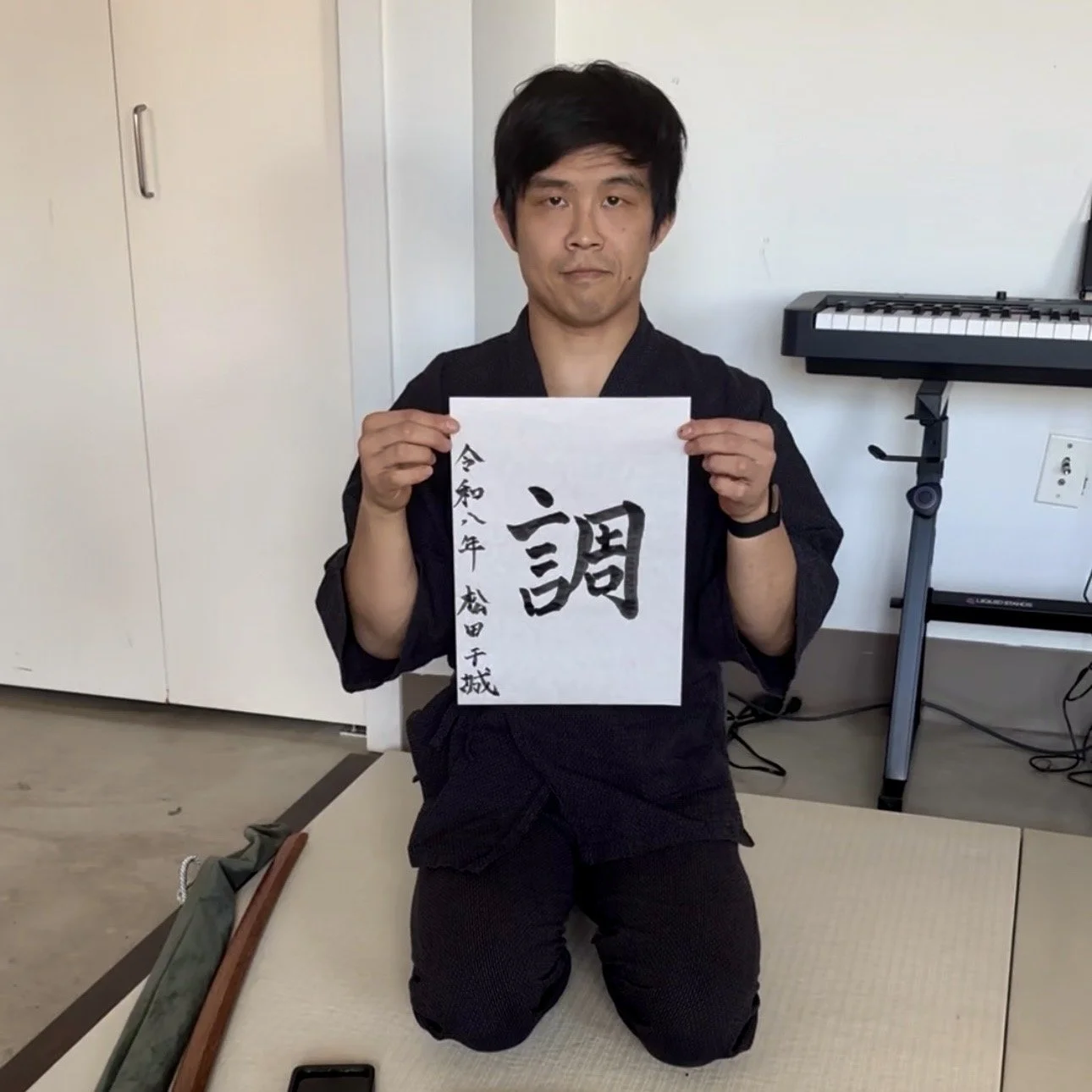


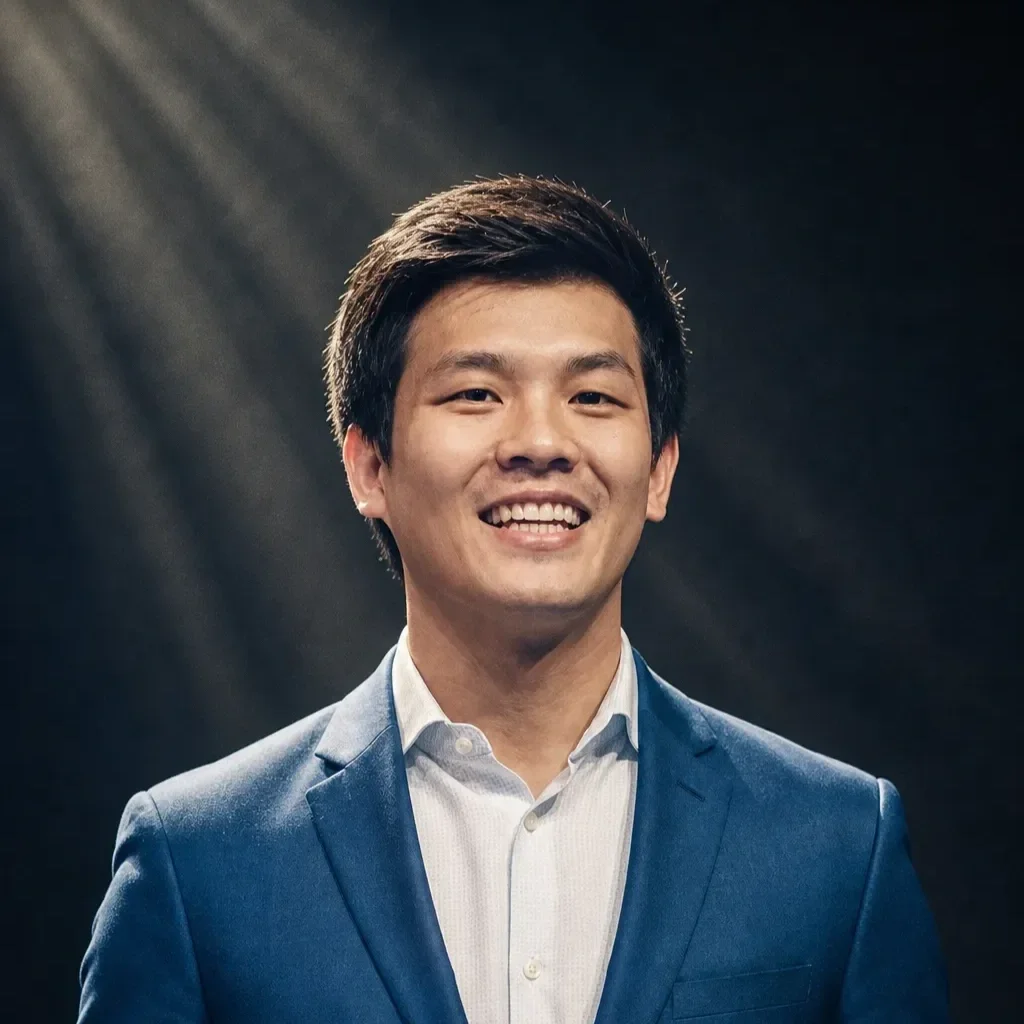
Fought in the cage for nearly twenty years. Studied the science afterward. Now taking both to Mumbai. On 15–16 August 2026, Tateki Matsuda speaks on the Main Stage at Longevity Summit India 2026 at Fairmont Mumbai, with a talk titled The Fighter's Paradox: Stress Makes Us Stronger — Until It Doesn't. The summit is built on a five-dimensional framework — Earth, Water, Air, Fire, Flow — and is chaired scientifically by Dr. Arpit Bansal, who joined HOLOLIFE Summit Tokyo in 2025. Tokyo to Mumbai: the direction reverses.