
Beyond 120: The Missing Science of Human Coherence
From Short Notice to the Closing Stage
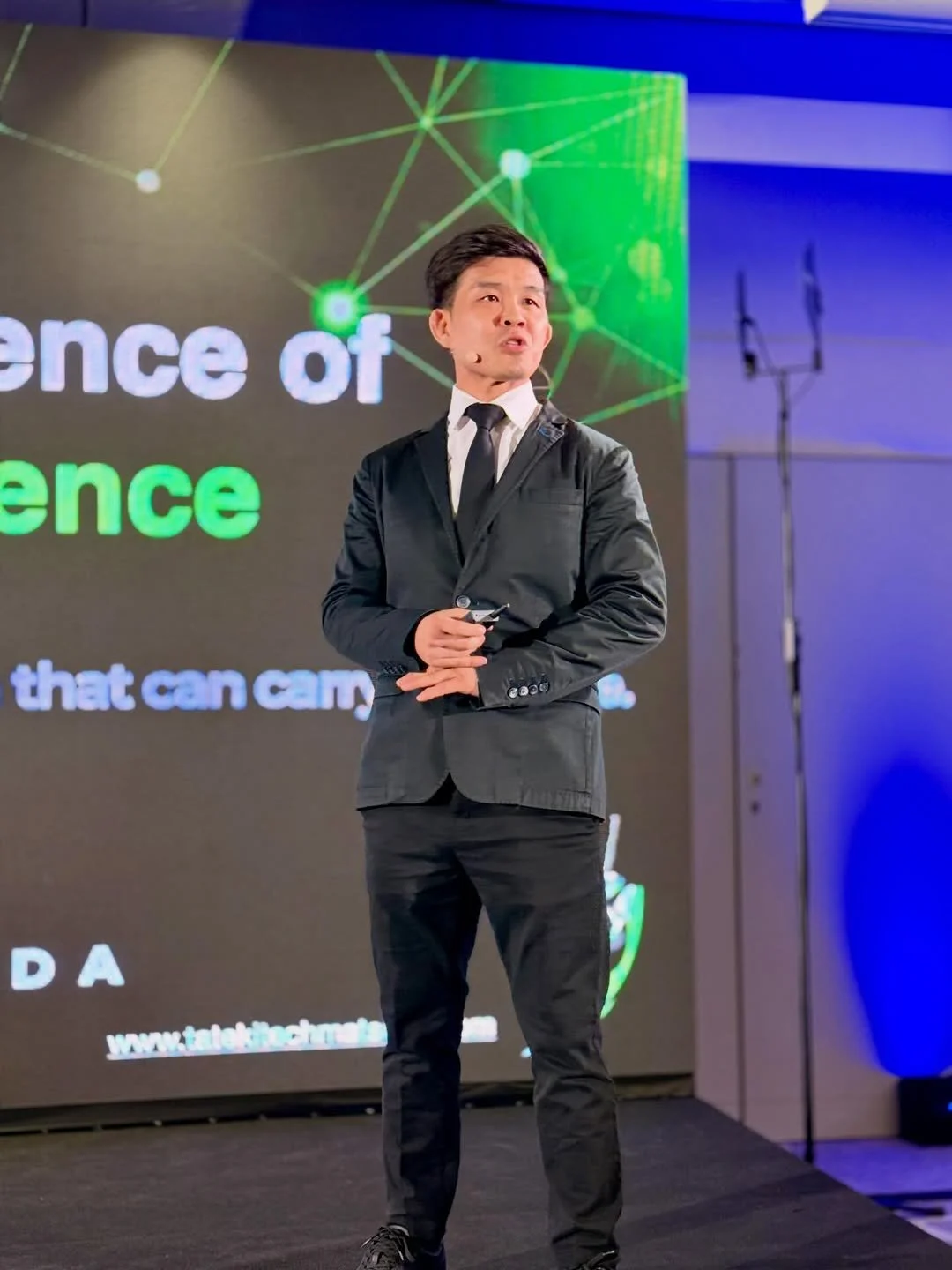
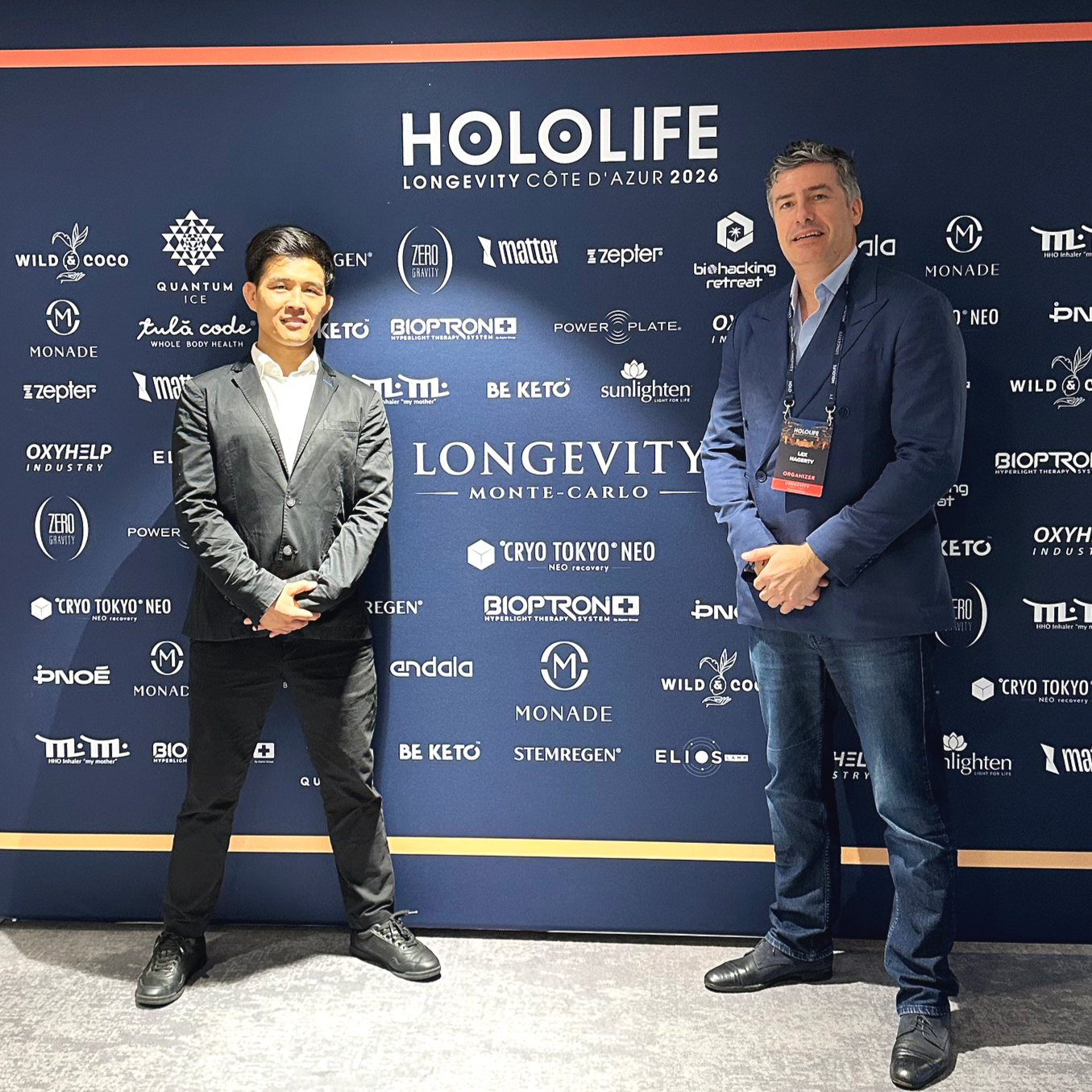
On March 12, 2026, HOLOLIFE Longevity Côte d'Azur brought clinicians, researchers, founders, and the longevity community to Le Méridien Nice in France. Powered by Longevity Monte-Carlo, the summit gathered people asking how we can live longer and healthier.
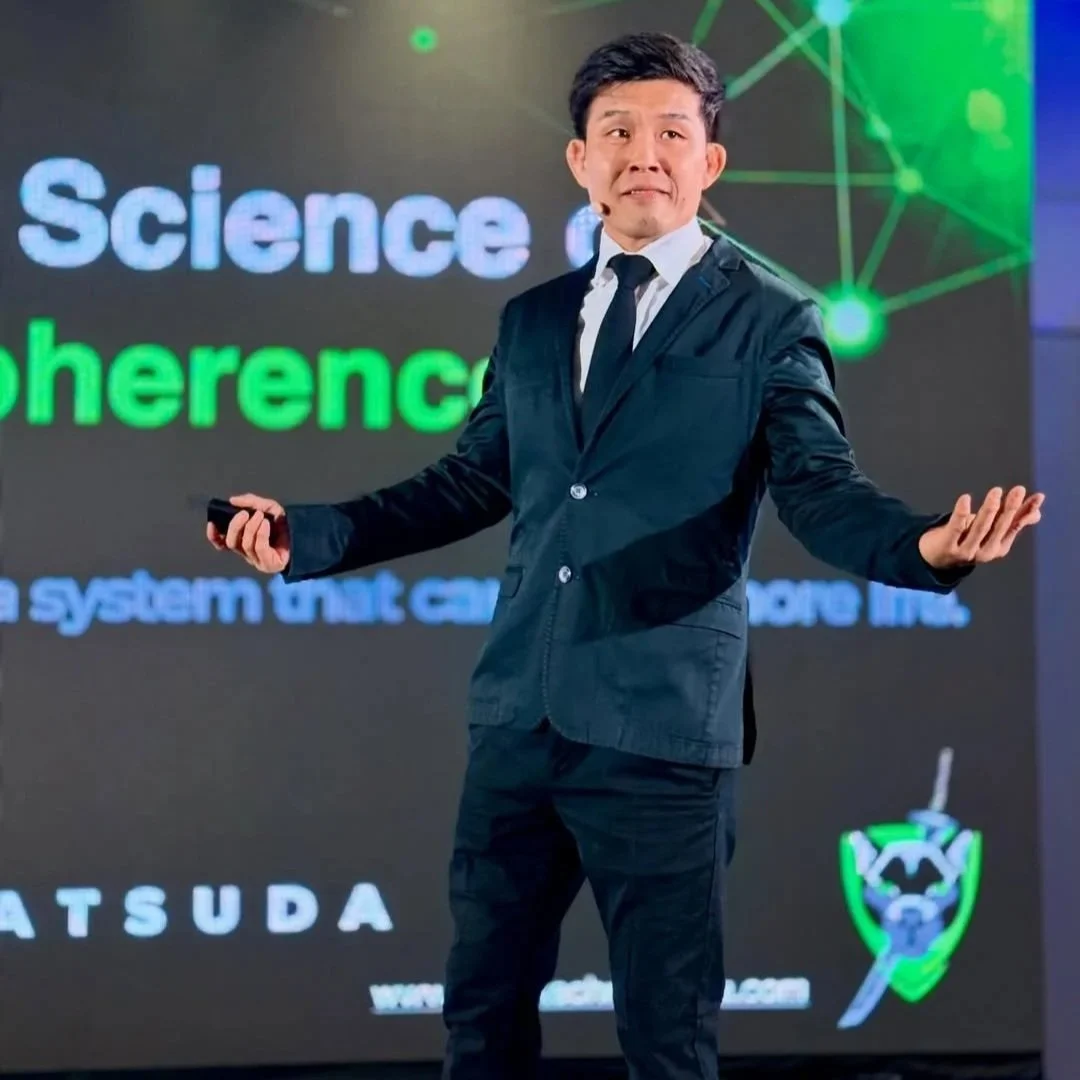
I arrived at the closing keynote with a more personal question: are we ready to carry the life we are trying to extend?
Siim Land could not make it, and I was asked to step in on short notice. My UFC debut had happened the same way. Different stage, familiar situation.
I had planned to wear a Japanese kimono. My luggage had other plans. Standing there without it, I joked that I looked like a French waiter. My body clock was still adjusting from Boston, and now I was delivering a last-minute keynote about coherence.
Life gives you plenty of opportunities to practice what you teach.
My perspective comes from sports science, a master's degree in applied nutrition, and years inside the MMA cage. All three have brought me back to the same question: what allows a person to keep functioning when conditions change?
The Longevity Illusion
How healthy are you?
You might reach for your HRV, blood work, body composition, or biological-age estimate. I understand. I use wearables too. I have been involved with WHOOP since 2017.
But what number captures your whole life? Does it include the quality of your relationships, your responsibilities, or whether the life you have built means something to you?
A systematic review of healthy-aging measurement found that research often emphasizes individual function while giving less attention to the environment around the person. We can measure parts of health with increasing precision and still leave much of the picture out. Read the review.
This is where I bring in human coherence: the relationship between your biology, behavior, rhythms, recovery, identity, and purpose. It is the framework behind this keynote.
If we are serious about living to 120 or beyond, we need to ask how those parts will work together.
The Real Problem: Fragmentation
Modern life pulls us in different directions. We can be disciplined about one part of our health while the rest of our lives becomes harder to hold together.
I described six forms of fragmentation:
Metabolism: irregular eating, less movement, and less stimulus to maintain muscle.
Sleep: disrupted schedules and a body clock struggling to keep up.
Attention: constant stimulation and another reason to check the phone.
Nervous system: too much stimulation and difficulty finding a settled state.
Identity: competing roles and uncertainty about who we are becoming.
Purpose: losing direction in what we are doing and why.
I know this from my own life. At 40, I was still training with active fighters. Many fighters of my generation had retired and opened gyms. I had not made an official retirement announcement. I was also a father, a biohacker, and the founder of HOLOLIFE Japan.
Who am I now? Where am I going? What am I here to do?
Those questions came with me onto the stage. Coherence is something I have to work on too.
Metabolic Coherence
“My metabolism is slowing down. I am getting older.”
Before accepting that explanation, look at what has changed in your life.
The energy-expenditure study I discussed, published in Science, found that expenditure adjusted for body size and composition was broadly stable from approximately age 20 to 60, then declined in later life. It challenges the idea that metabolism must slow steadily throughout adulthood. Read the study.
Hormones, insulin sensitivity, muscle, and health can still change during those years. The study does not say that everyone burns the same number of calories.
But it gives us a reason to examine our habits. Poor sleep. Less movement. Less strength training. More alcohol. More stress. Eating whenever the schedule allows.
How much of what we call aging is happening alongside a loss of rhythm?
Metabolic resilience starts with understanding the demands on your body and the daily habits that support it. Your age matters. So does the way you live between birthdays.
Adaptive Capacity
In martial arts, winning and losing can put you in very different places. When you are at the bottom, your ability to recover becomes painfully clear.
That is why the distinction between frailty and resilience matters to me. Frailty describes vulnerability. Resilience describes the capacity to respond, adapt, and recover. The two can coexist in the same person. Read the review.
Think of a tree. Its condition depends on the season, the sunlight, and what supports it below ground. Our biology also depends on the environment, relationships, and community around us.
Youth can make recovery feel automatic. As we age, preserving adaptive capacity deserves more attention.
Can your system take stress and return to a functional baseline?
That question has followed me through training, competition, and recovery. Respond. Adapt. Recover. Repeat.
Sleep as System Synchronization
You check your wearable. Eight hours. Target reached.
What time did you sleep? Was it anything like the night before?
In a UK Biobank study of 72,269 adults, irregular sleep was associated with a higher risk of major cardiovascular events. Among the most irregular sleepers, meeting the recommended sleep duration did not fully offset that association. The study was observational, so it cannot establish cause and effect. Read the study.
The finding gives us a reason to pay attention to consistency alongside duration.
Traveling from Boston to France made that very real for me. I could change my location in a day. My body clock needed time to catch up.
Sleep is part of the rhythm that connects eating, activity, and recovery. I call it system synchronization because those processes have to work together. Counting hours is useful. Understanding your rhythm makes those hours more meaningful.
Immune Resilience
“Boost your immune system.” We hear that everywhere in biohacking.
How much stimulation does a system need before we start asking how well it is regulated?
The three I's of immunity and aging help explain the distinction:
Immunosenescence: age-related changes that can weaken immune function.
Inflammaging: persistent, low-grade inflammation associated with aging.
Immune resilience: the capacity to preserve or restore effective immune function while controlling inflammation.
I want my body to respond appropriately when it faces a threat. I also want it to recover. Both matter.
The same principle runs through this entire conversation: health depends on how well we organize our capacity and use it when it is needed.
We Do Not Only Digest Food. We Digest Meaning.
I was in France. I wanted to appreciate a traditional baguette or croissant. When you visit Japan, I want you to experience the food and culture there too.
Yet in biohacking, we can become very good at finding reasons to fear what is on the plate.
One study I discussed examined adults with IBS who believed they benefited from avoiding gluten. In a randomized, double-blind crossover trial, participants received wheat, purified gluten, and a gluten-free sham challenge. Symptoms occurred after all three. Among the 28 participants who completed the trial, the proportions with meaningful symptom worsening did not differ significantly between wheat or gluten and sham. Read the study.
The authors suggested that expectations played an important role. Positive expectations can contribute to a placebo response; negative expectations can contribute to a nocebo response.
The study was small and had adherence limitations. It does not make symptoms imaginary or override a diagnosed condition that requires food avoidance.
It does invite us to examine the expectations we bring to a meal. What happens when every food becomes a potential threat?
We do not only digest food. We digest meaning.
What Fighting Taught Me About Coherence
You can keep a poker face while your legs are struggling. You can look calm while your heart is racing. Your breathing and recovery still have to do their job.
Inside the cage, the present moment demands your attention. You have trained to respond, but the situation keeps changing. Your body, attention, and emotional regulation have to work together under pressure.
Years of putting my body through that stress brought me into biohacking. I wanted to understand recovery and find better ways to care for the body I had been asking so much of.
Research has associated cumulative stress with accelerated epigenetic aging, with emotional regulation influencing the strength of that relationship. The findings concern associations; they do not show that emotional control reverses aging. Read the study.
For me, the question is practical. After the pressure, can you come back? Can you recover well enough to face what comes next?
That capacity deserves a place in every conversation about longevity.
Purpose Is Biological Architecture
Once a fight was scheduled, my behavior changed. I had a reason to organize my training, recovery, and daily routine. The goal gave the work a direction.
This is what I mean by purpose as biological architecture. Purpose can stabilize behavior. Behavior supports rhythm. Rhythm gives the body a more consistent pattern of preparation and recovery.
Research in older adults has linked a stronger sense of purpose with lower age acceleration on several epigenetic measures. Health behaviors explained part of that relationship. Finding purpose is not a proven treatment for biological aging, but these associations deserve attention. Read the study.
We spend so much time asking how to improve our health. Purpose brings another question into focus: what do we want that health to make possible?
Kokorozashi
The Japanese word I shared was Kokorozashi, 志.
I describe it as an unwavering heart. A deep intention that gives your life direction as circumstances and emotions change.
Motivation fluctuates. Your mood changes. Your roles evolve. Kokorozashi is the commitment you return to through those changes. On stage, I used the character's visual elements as a personal image of the heart and the samurai, expressing that sense of resolve.
People in the longevity community often ask about ikigai. There can be pressure to define your life's purpose as though it should fit into a finished statement.
I do not think we need to force that answer. Sometimes the meaning becomes clearer much later, when we look back at how we have lived.
As a fighter, father, and someone building a community, I keep returning to the question of what I choose to serve. Kokorozashi helps me hold that direction while allowing my life to change.
From Self-Optimization to Self-Actualization
The first generation of biohackers asked, “How can I optimize myself?” We measured, experimented, and learned from our own bodies.
Now we need to ask: what is my health for?
As a father, I raised a possibility that makes the promise of 120 years much harder to treat as a number. What if I lived that long and one of my children died before me? Would I be ready to face that?
I do not know.
More life would bring more change, responsibility, and loss as well as opportunity. We need the capacity to carry those experiences too.
For me, the move toward self-actualization begins when the work I do on myself becomes something I can offer to others. My family. My community. The people I meet at these summits, each with their own story and something to teach me.
That is why I closed by asking everyone to take a breath and find their own coherence.
Build a human system capable of carrying more life. Then keep asking what that life is for.
Shownotes & References
Event: HOLOLIFE Longevity Côte d'Azur 2026, March 12, 2026, Le Méridien Nice, France.
The following papers connect to the research discussed in this article. My account of fighting and my interpretation of human coherence remain personal perspectives.
Healthy-Aging Measurement
Piriu AA, Bufali MV, Cappellaro G, Compagni A, Torbica A. “Conceptualisation and measurement of healthy ageing: Insights from a systematic literature review.” Social Science & Medicine. 2025;374:117933.
Metabolism Across the Lifespan
Pontzer H, Yamada Y, Sagayama H, et al. “Daily energy expenditure through the human life course.” Science. 2021;373(6556):808–812.
Frailty, Resilience, and Adaptive Capacity
Cosarderelioglu C, Walston JD, Abadir PM. “From frailty to resilience: exploring adaptive capacity and reserve in older adults.” Narrative review. Frontiers in Aging. 2025;6:1520842.
Sleep Regularity and Cardiovascular Health
Chaput JP, et al. “Sleep regularity and major adverse cardiovascular events: a device-based prospective study in 72 269 UK adults.” Journal of Epidemiology and Community Health. 2025;79(4):257–264. Published online in 2024.
Immune Aging and Resilience
Wrona MV, Ghosh R, Coll K, Chun C, Yousefzadeh MJ. “The 3 I’s of immunity and aging: immunosenescence, inflammaging, and immune resilience.” Frontiers in Aging. 2024;5:1490302.
Wheat, Gluten, and Food Expectations
Seiler CL, Rueda GH, Miranda PM, et al. “Effect of gluten and wheat on symptoms and behaviours in adults with irritable bowel syndrome.” Randomized, double-blind, sham-controlled crossover trial. The Lancet Gastroenterology & Hepatology. 2025;10(9):794–805. Title shortened.
Stress and Epigenetic Aging
Harvanek ZM, Fogelman N, Xu K, Sinha R. “Psychological and biological resilience modulates the effects of stress on epigenetic aging.” Translational Psychiatry. 2021;11:601.
Purpose and Epigenetic Aging
Kim ES, Nakamura JS, Strecher VJ, Cole SW. “Reduced Epigenetic Age in Older Adults With High Sense of Purpose in Life.” The Journals of Gerontology: Series A. 2023;78(7):1092–1099.


Casual and athletic in design, Tateki Tech presents All Over Print pullover in black. It features a Tateki Tech script pattern throughout for signature style. This sporty top features a drawstring hood and the classic allover logo makes a statement. Ribbing at the hem and cuffs adds comfort and shape to this layer.
Detail
All-Over Print Unisex Hoodie has a comfortable relaxed fit, and a fabric that feels soft to the touch thanks to the unique cotton and polyester blend. The brushed fleece inside makes this hoodie a true wardrobe favorite.
70% polyester, 27% cotton, 3% elastane
Fabric weight: 8.85 oz/yd² (300 g/m²)
Soft cotton-feel fabric face
Brushed fleece fabric inside
Unisex style
Overlock seams
Download CPSIA compliance certificates here




Discount Code “TATEKI“
-
Biohacking
- Jun 4, 2018 Mushroom Coffee
- Aug 1, 2018 keto box
- Mar 17, 2019 Keto Mojo
- Nov 2, 2019 Biohacker Summit Helsinki 2019
- Jun 4, 2022 Biohacker Summit Helsinki 2022
- Oct 16, 2022 Biohacker Summit Amsterdam 2022
- May 1, 2023 Biohacker’s Retreat April 2023
- Sep 4, 2023 Biohacker Summit London 2023 Show notes
- Sep 18, 2023 Biohacker’s Retreat September 2023
- Oct 29, 2023 Biohacker Summit Amsterdam 2023 Show Notes
- Apr 10, 2024 Biohacker’s Retreat in IBIZA 2024
- Jul 3, 2024 Biohacker Summit Helsinki 2024
- Jul 20, 2024 Meltingpot Forum 2024
- Jun 5, 2025 Biohacking Conference 2025
- Dec 10, 2025 Japanese Chrono Trigger: Rethinking Time and Longevity
- Feb 7, 2026 FROM SICK CARE TO HEALTH CREATION
- Aug 15, 2026 The Fighter’s Paradox: Stress Makes Us Stronger — Until It Doesn’t
- Sep 27, 2026 Beyond 120: The Missing Science of Human Coherence
-
Coffee
- Jun 4, 2018 Mushroom Coffee
- Aug 1, 2018 keto box
-
Earthing
- Jun 7, 2019 Earth Runner
-
Gut health
- Jul 2, 2019 Viome
-
Injury
- Sep 11, 2017 Determination
- Sep 29, 2017 Week 3
- Oct 6, 2017 Week 4
- Oct 13, 2017 Week 5
- Oct 30, 2017 Week 6 & 7
- Nov 13, 2017 Week 8 & 9
- Nov 26, 2017 Week 10 & 11
- Dec 30, 2017 After Week 12
-
Nutrition
- Jun 4, 2018 Mushroom Coffee
- Aug 1, 2018 keto box
- Jun 26, 2022 Fermented Foods for Health Optimization
- Aug 10, 2022 Fermented Foods for Immune System
- Oct 2, 2022 Fermented Foods for Healthy Skin
- Nov 7, 2022 Japanese Drinkable IV “Amazake”
- Dec 23, 2022 “Mirin” Sweet Rice Sake Beyond Seasoning
- Jan 29, 2023 Eat “Cultural Heritage.” Osechi Japanese New Year’s Food
- Mar 12, 2023 Fermentation Makes Processed Meat Different
- Apr 13, 2023 Cheese and Your Health: The Impact of Fermentation, Type, and Production Method
-
Performance
- Aug 12, 2018 First time Spartan Race
- Aug 14, 2019 Boston Super and Sprint Weekend 2019
- Nov 9, 2019 Spartan race Boston at Fenway Park 2019
-
Recovery
- Sep 11, 2016 REhydration Process
- May 15, 2019 BIO CBD plus
-
Rehabilitation
- Sep 11, 2017 Determination
- Sep 29, 2017 Week 3
- Oct 6, 2017 Week 4
- Oct 13, 2017 Week 5
- Oct 30, 2017 Week 6 & 7
- Nov 13, 2017 Week 8 & 9
- Nov 26, 2017 Week 10 & 11
- Dec 30, 2017 After Week 12
-
Retreat
- May 1, 2023 Biohacker’s Retreat April 2023
- Sep 18, 2023 Biohacker’s Retreat September 2023
- Apr 10, 2024 Biohacker’s Retreat in IBIZA 2024
-
Strength & Conditioning
- Jun 20, 2014 MMA Fight Prep 1
- Jun 21, 2014 MMA Fight Prep 2
- Jun 23, 2014 MMA Fight Prep 3
- Jun 23, 2014 MMA Fight Prep 4
- Jun 24, 2014 MMA Fight Prep 5
- Aug 27, 2014 Hit some Swings
- Feb 10, 2015 No Season for MMA Fighters
- Apr 10, 2015 Random Day of my Training
- May 29, 2015 Dropping a Weight Class
- Feb 21, 2016 Conditioning during Fight Week
-
Strong First
- Aug 13, 2016 SFG Level 1 Test
-
Supplement
- Jun 4, 2018 Mushroom Coffee
- Aug 1, 2018 keto box
- Dec 10, 2018 Complete Nutrition with Bits
NEWS
OPTIMIZED LIFE

TATEKITCHEN

BLOG
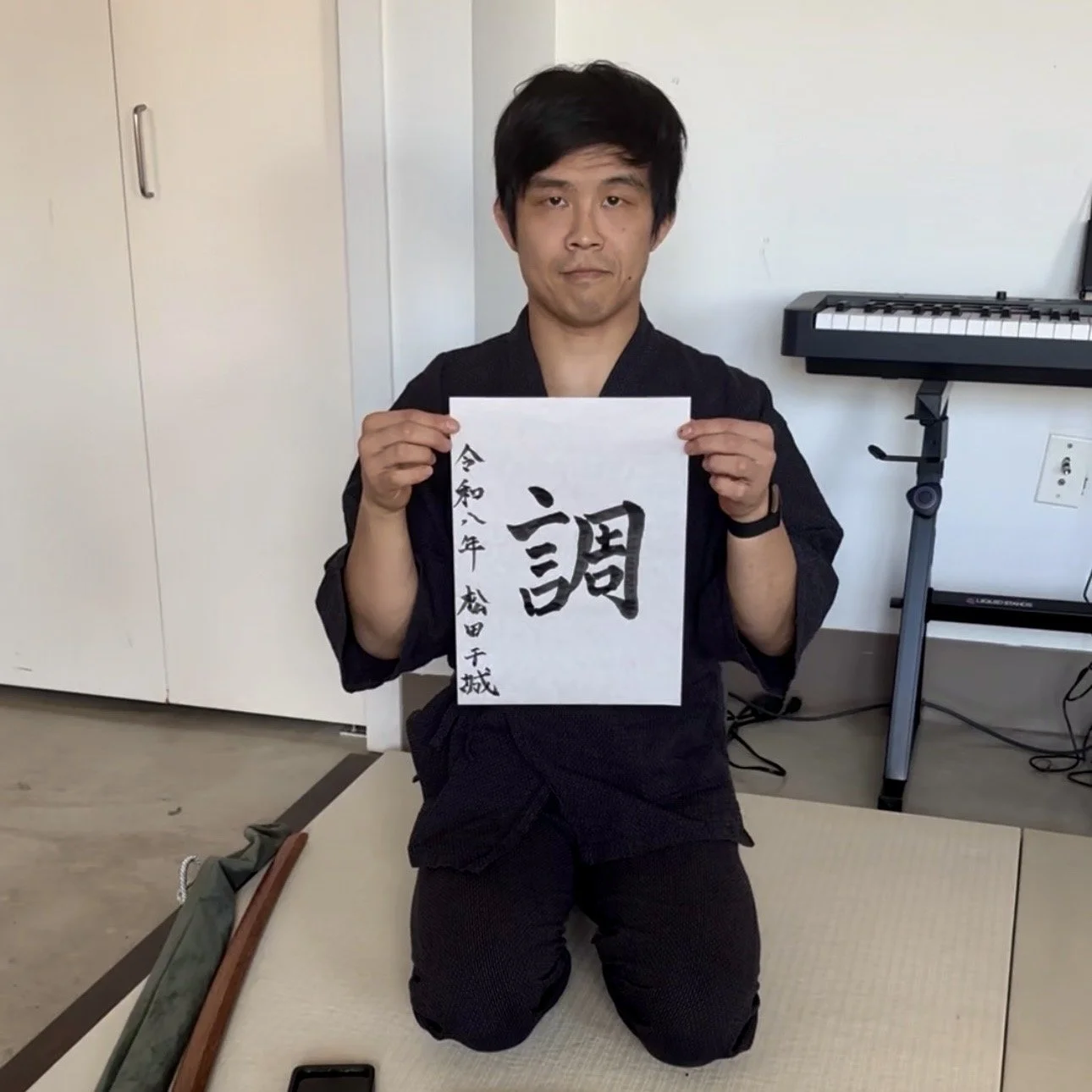


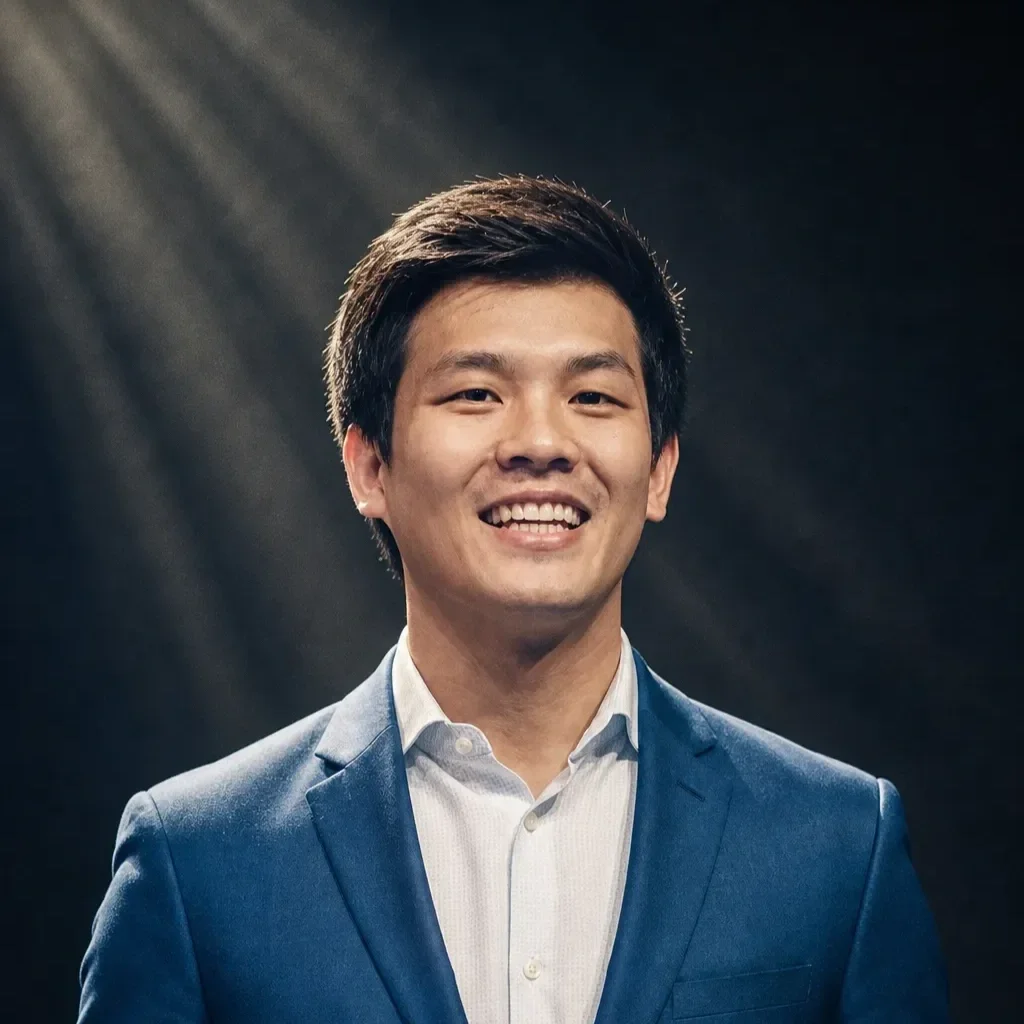
Fought in the cage for nearly twenty years. Studied the science afterward. Now taking both to Mumbai. On 15–16 August 2026, Tateki Matsuda speaks on the Main Stage at Longevity Summit India 2026 at Fairmont Mumbai, with a talk titled The Fighter's Paradox: Stress Makes Us Stronger — Until It Doesn't. The summit is built on a five-dimensional framework — Earth, Water, Air, Fire, Flow — and is chaired scientifically by Dr. Arpit Bansal, who joined HOLOLIFE Summit Tokyo in 2025. Tokyo to Mumbai: the direction reverses.