
THE MISSING VARIABLE: What Happens Between the Interventions

What Happens Between the Interventions
MIRAI TECH CITY 2026 · Demo Day · October 26, 2026 · Kobe, Japan
Keynote companion, show notes, references & study guide
By Tateki Matsuda
What kind of life are we making more time for?
That question sits behind my keynote at MIRAI TECH CITY, where people working in biotechnology, longevity, and innovation are imagining what comes next.
My way into this conversation began with my own body. Professional fighting taught me to organize my life around a number on a scale. Later, biohacking gave me more tools for examining what was happening inside it.
I have pursued health optimization with real commitment. I have also experienced how much attention it can turn inward: my numbers, my performance, my future.
Living in the West as a Japanese person has made familiar words sound different to me. Words I once took for granted now help me ask questions that a dashboard cannot answer on its own.
This page follows that journey, then opens it up for further study. The research below provides context for the talk. The connections I draw between that research, my experiences, and Japanese culture are my interpretation.
Quick Show Notes & Takeaways
A number needs context. A weigh-in, a hormone result, and a sleep score each describe part of a life. Understanding what surrounds the measurement changes the questions we ask.
Personal experiments can generate better questions. My fasting and training experiences made me reconsider how I judged readiness. They cannot establish a general treatment effect.
Knowing enough takes practice. Hara hachi bu and chisoku invite reflection on appetite, ambition, and the impulse to keep adding more.
Health has a social context. Okagesama turns my attention toward the people who make my life possible.
Ma connects the talk. The intervals between actions can hold perception, recovery, conversation, and the possibility of a different response.
135. 125. Then 55.
The presentation opens with weigh-in footage at 135 and 125 pounds. Those numbers belonged to a world I understood: preparing for a fight and making weight.
Then came another number: a total testosterone result of 55 ng/dL. During a period of intense training and weight cutting, my doctor diagnosed hypogonadism.
I knew how to push my body. I had much more to learn about caring for it.
Other reports in the presentation document results within their laboratories' reference ranges. In one letter, my doctor wrote that my testosterone had normalized and that changes to my training schedule and diet appeared to be working.
These records belong to my personal history. They do not isolate one cause of the low result or prove that one supplement, device, or recovery method produced the change. The reports also have different laboratory reference ranges, and the older screenshots do not establish a complete dated timeline.
The question that stayed with me was how to recognize when pushing harder had stopped helping.
My Life Became a Protocol
I explored biohacking through experimentation, tracking, and adjustment. Supplements had a schedule. Recovery methods became part of the routine. My curiosity also entered the kitchen, where I developed seventy dishes for myself and my clients.
That work still matters to me. Cooking gives an idea about nutrition a place in everyday life. Someone has to prepare the food, enjoy it, and be able to live with the routine.
I also undertook a seven-day water fast and explored ketosis. I tracked hunger, energy, and sleep, comparing my impressions with my wearable's estimates.
The seven nights in the presentation were uneven. There was fatigue and poor sleep, then a change in hunger and nights that felt much better. Toward the end, feeling good encouraged me to train. Ninety minutes of boxing sounded manageable to the version of me accustomed to hard training.
My experience made me question that judgment.
Feeling good did not tell me the whole story. The familiar activity was happening in a different bodily context. I began paying closer attention to what happened between the things I was doing to my body.
The sleep-stage figures shown in the talk are wearable estimates. I did not directly measure brain activity or glycogen depletion. A high sleep score, a ketone reading, and a feeling of clarity answer different questions. None, by itself, establishes improved longevity.
This account is educational, not a fasting protocol. Prolonged fasting carries risks and warrants medical assessment and supervision, especially when medications or health conditions are involved.
Familiar Words, Different Questions
As I looked beyond the next intervention, Japanese language offered ways to reconsider ordinary life.
腹八分目 · Hara hachi bu is commonly expressed as eating until roughly eighty percent full. I approach it here as a cultural reminder of moderation and awareness of satiety. It is not a precise calorie prescription, a proven sirtuin-activation protocol, or a substitute for prescribed medication.
知足 · Chisoku means knowing enough or being content with enough. For someone trained to pursue more, it raises a difficult question: how will I recognize sufficient effort, sufficient information, or sufficient consumption?
養生 · Yōjō concerns caring for and nurturing life. It brings my attention back to the daily conditions around an intervention: how I eat, rest, and organize my days.
おかげさま · Okagesama expresses recognition that we benefit from others' support. A training partner, a clinician, someone who prepares a meal, someone who gives us time. My health has never been entirely my own achievement.
These words have different histories. They do not form a single ancient scientific system, and their presence in a language does not demonstrate why a population lives longer. They offer useful questions about how we live.
間 · Ma: The Space Between
The Interplay of Space and Time
Space for Possibility
Ma can refer to a gap, interval, or pause. In Japanese arts and everyday life, it helps direct attention to the relationships between things and events. JAPAN HOUSE Los Angeles offers an accessible introduction through architecture, music, and conversation. Explore the concept of ma.
For me, the most immediate example is 間合い · maai.
As a fighter, I feel distance in terms of time. Can I reach an opponent before they respond? What changes if they step forward? The same physical gap can offer different possibilities depending on the people, their movement, and that particular moment.
Architecture gives another entry point. A room's arrangement influences how we move. A flower in a tokonoma draws attention partly through the space around it. Light changes across the same room as the day passes.
Conversation offers an everyday example. There is a moment after someone finishes speaking when I can rush to fill the silence, or allow their words to reach me.
Japanese culture gives us a language for noticing these intervals. People in other cultures can recognize these experiences too.
“Space for Possibility” is how I frame ma in this keynote. It expresses what an interval can allow: noticing a change, reconsidering an impulse, or making room for another person. It is an interpretive phrase, rather than a literal dictionary definition or a biological mechanism.
A Small Vocabulary for Further Exploration
These are starting points. Their meanings change with context and cannot be exhausted by one English phrase.
間取り · Madori — arrangement of rooms. How does a space shape movement, privacy, and shared life?
床の間 · Tokonoma — a display alcove. What changes when a room gives a few objects, and the space around them, sustained attention?
合間 · Aima — time between activities. What do I habitually put into every available interval?
間を取る · Ma o toru — to allow a pause. What becomes noticeable before I act again?
間隔 · Kankaku — an interval in space or time. The same word can describe the distance between objects or the time between events.
一期一会 · Ichigo ichie — the singularity of an encounter. What deserves attention because this meeting will never happen in exactly this way again?
生きがい · Ikigai — what makes life feel worth living. Which people, activities, or responsibilities give daily life meaning?
余白 · Yohaku — blank or unfilled space. What can the viewer, reader, or participant bring into the space left open?
侘び・寂び · Wabi and sabi — related aesthetic sensibilities. Wabi evokes restrained simplicity, while sabi attends to age and patina. The familiar phrase “beauty in imperfection” is only an entry point.
和敬清寂 · Wa kei sei jaku — harmony, respect, purity, tranquility. These principles associated with the way of tea invite attention to how a shared encounter is prepared and experienced.
What Are We Building More Time For?
Many people in this audience are building technologies that could change how long and how well people live. I want that work to keep expanding what is possible.
I also want us to examine the life around the technology. When we recommend another action, what happens to the person's day? Does the product support their judgment? Does it make room for relationships and activities they value?
As AI helps us do more, faster, where will we make room to decide what is worth doing?
A system can help us choose the next intervention. We still need to consider what kind of life that intervention serves, who can access its benefits, and whose circumstances its design assumes.
That is where my interest has widened: from improving my own measurements toward the lives we make possible together.
When your technology gives someone more time, what do you hope becomes possible in that time?
Shownotes & Scientific References
These sources offer context and further study. They do not retrospectively diagnose my experience or validate ma as a medical intervention.
1. Energy Availability and Athlete Health
Mountjoy M, et al. 2023 International Olympic Committee's consensus statement on Relative Energy Deficiency in Sport (REDs). British Journal of Sports Medicine. 2023;57:1073–1097.
The consensus describes health and performance consequences of problematic low energy availability in female and male athletes, including endocrine effects. It is useful context for the relationship between fueling, training demands, and health. It does not establish that REDs caused my individual diagnosis.
Read the IOC consensus statement.
2. Recovery in Its Full Context
Kellmann M, et al. Recovery and Performance in Sport: Consensus Statement. International Journal of Sports Physiology and Performance. 2018;13(2):240–245.
Recovery depends on training and competition load alongside other life demands. The statement emphasizes individual variation and the interaction between stress, fatigue, and recovery. It provides a framework for asking why a familiar session may have a different cost on a different day.
Read the abstract and access the paper.
3. What Seven Days of Fasting Can Tell Researchers
Pietzner M, et al. Systemic proteome adaptions to 7-day complete caloric restriction in humans. Nature Metabolism. 2024;6:764–777.
Researchers tracked plasma proteins in twelve volunteers during a seven-day water-only fast. The study maps physiological responses over time. Its small sample and absence of a control group limit generalization, and changes in proteins do not establish longer life or a recommended fasting duration.
Read the publication record and abstract. Publisher DOI.
4. Fasting and Physical Performance
Kolnes KJ, et al. Effects of seven days' fasting on physical performance and metabolic adaptation during exercise in humans. Nature Communications. 2025;16:122.
In thirteen participants, measured maximal strength remained unchanged while peak oxygen uptake declined by thirteen percent. Different dimensions of performance responded differently. This small study offers a useful comparison for my training story, without explaining my specific response or establishing long-term safety.
5. Reading Wearable Sleep Data
Khosla S, et al. Consumer Sleep Technology: An American Academy of Sleep Medicine Position Statement. Journal of Clinical Sleep Medicine. 2018;14(5):877–880.
This position statement explains why consumer-generated sleep data require interpretation and validation. It is a foundation for thinking about measurement, rather than a current validation report for every device. My sleep graphs are device estimates and should not be treated as direct measurements of sleep stages or proof of a fasting benefit.
6. Ikigai and Mortality
Sone T, et al. Sense of life worth living (ikigai) and mortality in Japan: Ohsaki Study. Psychosomatic Medicine. 2008;70(6):709–715.
This prospective cohort followed 43,391 Japanese adults. Reporting a lack of ikigai was associated with higher mortality during follow-up. The study is observational. It does not show that adopting a word or discovering a purpose causes longer life.
7. The People Around Us
Holt-Lunstad J, Smith TB, Layton JB. Social Relationships and Mortality Risk: A Meta-analytic Review. PLOS Medicine. 2010;7(7):e1000316.
Across 148 studies, stronger social relationships were associated with better survival. This widens the conversation beyond individual habits and biomarkers. The evidence does not establish that any single social practice, or the concept of okagesama itself, produces a particular lifespan benefit.
Cultural References & Books
Ma in Architecture and Everyday Life
JAPAN HOUSE Los Angeles: The Space in Between. An accessible introduction to ma through spatial arrangement, sound, social interaction, and time. Start here if the keynote made you curious about the word.
Japanese Aesthetics
Stanford Encyclopedia of Philosophy: Japanese Aesthetics. A scholarly introduction to ideas including mono no aware, wabi, sabi, and yūgen. Useful for moving beyond short, attractive translations and examining differences among the concepts.
The Book of Tea — Okakura Kakuzō
Read the English text free at Project Gutenberg. Published in 1906, this essay connects tea with art, architecture, and ways of living. Begin with Chapter IV, “The Tea-Room,” and consider how a setting changes the quality of an encounter. Read it as a particular historical voice.
In Praise of Shadows — Tanizaki Jun'ichirō
Explore the publisher's edition. A literary exploration of light, shadow, materials, and Japanese aesthetics. A useful companion to the question of what becomes perceptible when everything is not equally illuminated.
Yōjōkun — Kaibara Ekiken
English translation: Cultivating Ch'i, translated by William Scott Wilson. A historical perspective on nurturing life through everyday conduct. Read its ideas about moderation and daily living in their historical context. Its medical advice should not be treated as contemporary clinical guidance.
Study Guide: Continue the Conversation
Use these questions on your own, with a colleague, or in a team discussion. The exercises concern observation and reflection. They do not require changing a treatment, diet, or training plan.
1. A Number and Its Surroundings
Choose one measurement you frequently check. What does it measure? What does it estimate? Write down three relevant things it does not capture. Then ask what would justify changing your interpretation of that number.
Research prompt: In a paper above, identify the participants, comparison group, measured outcome, and follow-up period. Does the conclusion you want to draw match the study's actual design?
2. Knowing Enough
Choose one area where you habitually add more: information, purchases, tasks, or tracking. What would enough look like today? How would you recognize it without turning it into another target to maximize?
Word to return to: 知足 · Chisoku.
3. Space and Time in One Place
Spend a few minutes in one room without changing it. Notice the distance between objects, the movement of light, and the sounds that arrive and fade. Return later. Which changes come from the room, which from time, and which from your own attention?
Reading companion: The JAPAN HOUSE introduction to ma, then Tanizaki's essay.
4. The People Inside Your Health
Name three people whose work or care supports your life. What becomes visible when you include them in your account of health? Consider one specific acknowledgment you would like to make.
Word to return to: おかげさま · Okagesama.
5. A Question for Founders and Researchers
Take one product feature, intervention, or research outcome. Describe the ordinary day of the person expected to benefit. What time, money, attention, or support does participation require? What room does the design leave for that person's own judgment? Who might be excluded by those assumptions?
Design question: If the intervention succeeds, what becomes possible in that person's life beyond an improved metric?
6. A Question for the AI Era
Choose one decision you already delegate to a system. What do you want automated? Where do you want an opportunity to reconsider, decline, or bring in another person's perspective?
Discussion question: Where would a useful pause improve a decision, and where would it simply create unnecessary friction?
A Reading Path
Start with ma: Read the JAPAN HOUSE article, observe a familiar room, then read “The Tea-Room” in The Book of Tea.
Follow the physiology: Read the IOC and recovery statements, then compare the fasting studies. Keep changes in biomarkers, measured performance, and long-term health outcomes distinct.
Explore life beyond the individual: Read the Ohsaki study and the social-relationships review. Discuss what each can establish, what remains uncertain, and what a meaningful life means to you.
Continue Exploring Optimized Life
The Fighter's Paradox: Stress Makes Us Stronger — Until It Doesn't. Combat-sport expertise, recovery, and adapting under pressure.
Beyond 120: The Missing Science of Human Coherence. The question of what our health allows us to carry and contribute.
Japanese Chrono Trigger: Rethinking Time and Longevity. A related keynote exploring time and longevity through a Japanese perspective.
Tatekitchen. Where my interest in nutrition takes the form of food to prepare and share.
Redefining How We Live
My work is about redefining how we live. The experiments, the training, and the questions continue. So does the effort to notice the life around them.
Before your next intervention, take a moment to notice that life. The person across the table. The response you have not yet heard. The possibility you might miss if every interval is already filled.
What kind of life are we making more time for?
If this question connects with your research, your work, or your experience, continue the conversation with me.
Scientific and cultural transparency: My medical history and experiments are personal accounts. The linked studies provide research context, while the cultural readings offer historical and interpretive perspectives. The connections made in this keynote are an invitation to inquiry, not evidence that Japanese words or practices, by themselves, extend lifespan.


Casual and athletic in design, Tateki Tech presents All Over Print pullover in black. It features a Tateki Tech script pattern throughout for signature style. This sporty top features a drawstring hood and the classic allover logo makes a statement. Ribbing at the hem and cuffs adds comfort and shape to this layer.
Detail
All-Over Print Unisex Hoodie has a comfortable relaxed fit, and a fabric that feels soft to the touch thanks to the unique cotton and polyester blend. The brushed fleece inside makes this hoodie a true wardrobe favorite.
70% polyester, 27% cotton, 3% elastane
Fabric weight: 8.85 oz/yd² (300 g/m²)
Soft cotton-feel fabric face
Brushed fleece fabric inside
Unisex style
Overlock seams
Download CPSIA compliance certificates here



Discount Code “TATEKI“
-
Biohacking
- Jun 4, 2018 Mushroom Coffee
- Aug 1, 2018 keto box
- Mar 17, 2019 Keto Mojo
- Nov 2, 2019 Biohacker Summit Helsinki 2019
- Jun 4, 2022 Biohacker Summit Helsinki 2022
- Oct 16, 2022 Biohacker Summit Amsterdam 2022
- May 1, 2023 Biohacker’s Retreat April 2023
- Sep 4, 2023 Biohacker Summit London 2023 Show notes
- Sep 18, 2023 Biohacker’s Retreat September 2023
- Oct 29, 2023 Biohacker Summit Amsterdam 2023 Show Notes
- Apr 10, 2024 Biohacker’s Retreat in IBIZA 2024
- Jul 3, 2024 Biohacker Summit Helsinki 2024
- Jul 20, 2024 Meltingpot Forum 2024
- Jun 5, 2025 Biohacking Conference 2025
- Dec 10, 2025 Japanese Chrono Trigger: Rethinking Time and Longevity
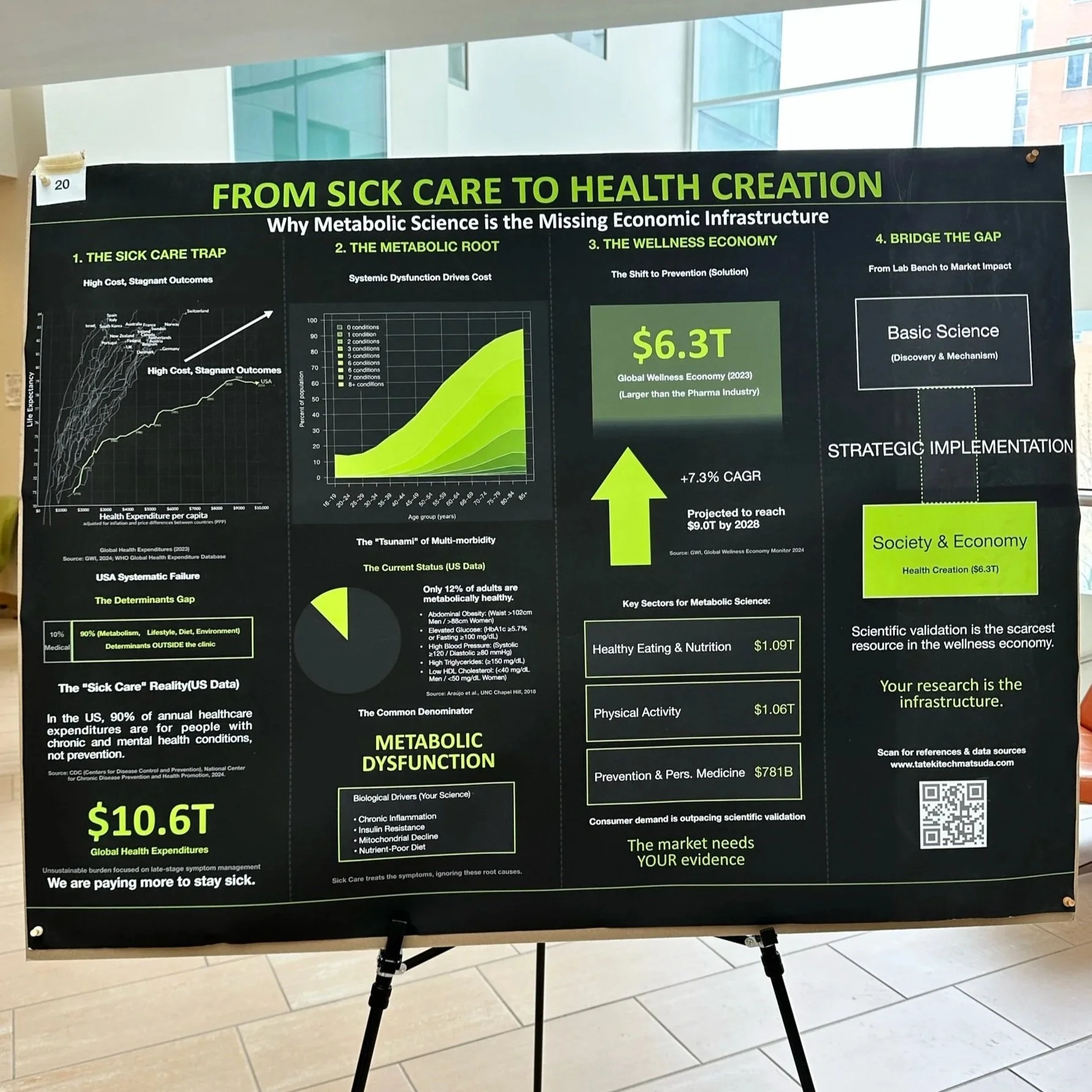
- Feb 7, 2026 FROM SICK CARE TO HEALTH CREATION
- Aug 15, 2026 The Fighter’s Paradox: Stress Makes Us Stronger — Until It Doesn’t
- Sep 27, 2026 Beyond 120: The Missing Science of Human Coherence
- Oct 25, 2026 THE MISSING VARIABLE: What Happens Between the Interventions
-
Coffee
- Jun 4, 2018 Mushroom Coffee
- Aug 1, 2018 keto box
-
Earthing
- Jun 7, 2019 Earth Runner
-
Gut health
- Jul 2, 2019 Viome
-
Injury
- Sep 11, 2017 Determination
- Sep 29, 2017 Week 3
- Oct 6, 2017 Week 4
- Oct 13, 2017 Week 5
- Oct 30, 2017 Week 6 & 7
- Nov 13, 2017 Week 8 & 9
- Nov 26, 2017 Week 10 & 11
- Dec 30, 2017 After Week 12
-
Nutrition
- Jun 4, 2018 Mushroom Coffee
- Aug 1, 2018 keto box
- Jun 26, 2022 Fermented Foods for Health Optimization
- Aug 10, 2022 Fermented Foods for Immune System
- Oct 2, 2022 Fermented Foods for Healthy Skin
- Nov 7, 2022 Japanese Drinkable IV “Amazake”
- Dec 23, 2022 “Mirin” Sweet Rice Sake Beyond Seasoning
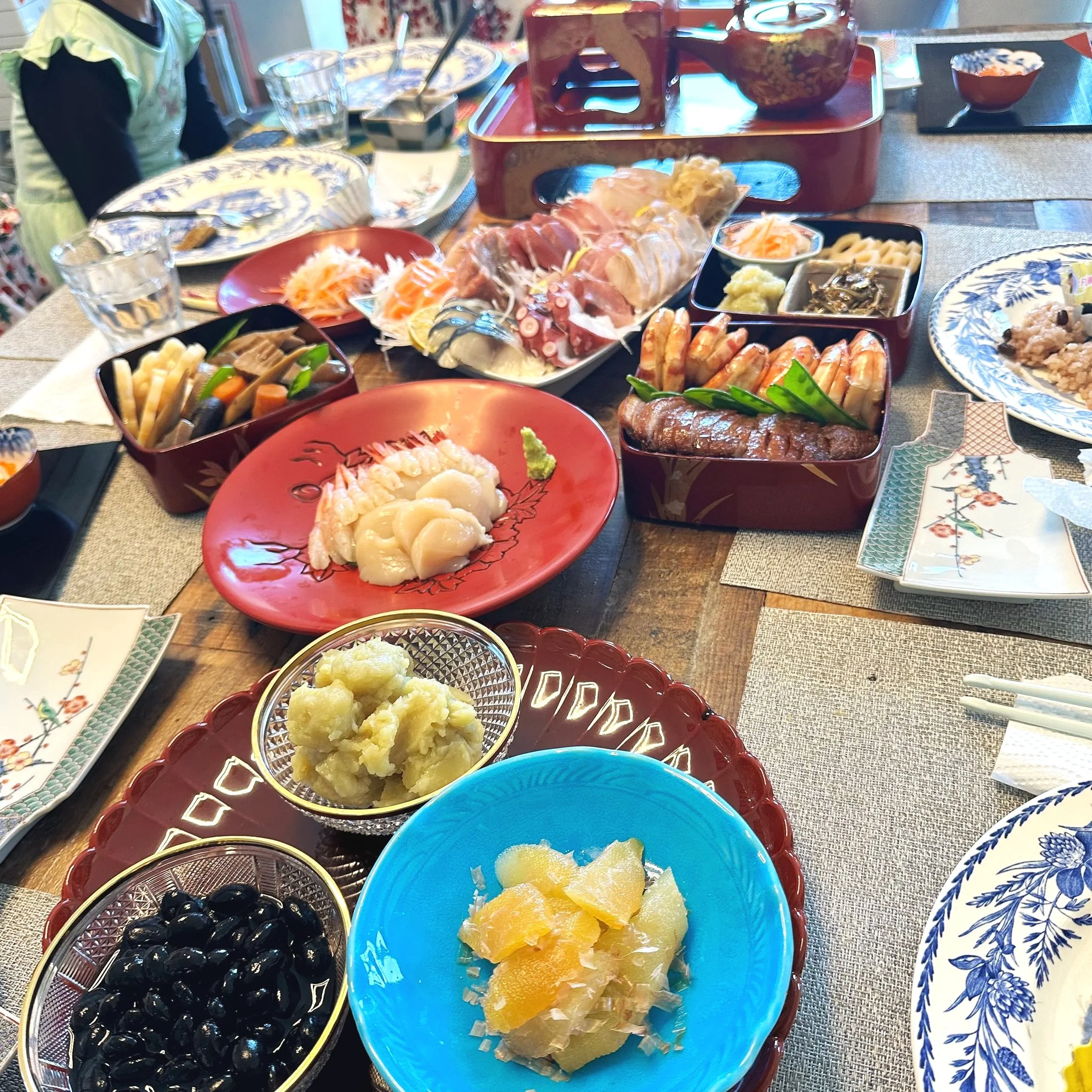
- Jan 29, 2023 Eat “Cultural Heritage.” Osechi Japanese New Year’s Food
- Mar 12, 2023 Fermentation Makes Processed Meat Different
- Apr 13, 2023 Cheese and Your Health: The Impact of Fermentation, Type, and Production Method
-
Performance
- Aug 12, 2018 First time Spartan Race
- Aug 14, 2019 Boston Super and Sprint Weekend 2019
- Nov 9, 2019 Spartan race Boston at Fenway Park 2019
-
Recovery
- Sep 11, 2016 REhydration Process
- May 15, 2019 BIO CBD plus
-
Rehabilitation
- Sep 11, 2017 Determination
- Sep 29, 2017 Week 3
- Oct 6, 2017 Week 4
- Oct 13, 2017 Week 5
- Oct 30, 2017 Week 6 & 7
- Nov 13, 2017 Week 8 & 9
- Nov 26, 2017 Week 10 & 11
- Dec 30, 2017 After Week 12
-
Retreat
- May 1, 2023 Biohacker’s Retreat April 2023
- Sep 18, 2023 Biohacker’s Retreat September 2023
- Apr 10, 2024 Biohacker’s Retreat in IBIZA 2024
-
Strength & Conditioning
- Jun 20, 2014 MMA Fight Prep 1
- Jun 21, 2014 MMA Fight Prep 2
- Jun 23, 2014 MMA Fight Prep 3
- Jun 23, 2014 MMA Fight Prep 4
- Jun 24, 2014 MMA Fight Prep 5
- Aug 27, 2014 Hit some Swings
- Feb 10, 2015 No Season for MMA Fighters
- Apr 10, 2015 Random Day of my Training
- May 29, 2015 Dropping a Weight Class
- Feb 21, 2016 Conditioning during Fight Week
-
Strong First
- Aug 13, 2016 SFG Level 1 Test
-
Supplement
- Jun 4, 2018 Mushroom Coffee
- Aug 1, 2018 keto box
- Dec 10, 2018 Complete Nutrition with Bits
NEWS

OPTIMIZED LIFE

TATEKITCHEN

BLOG


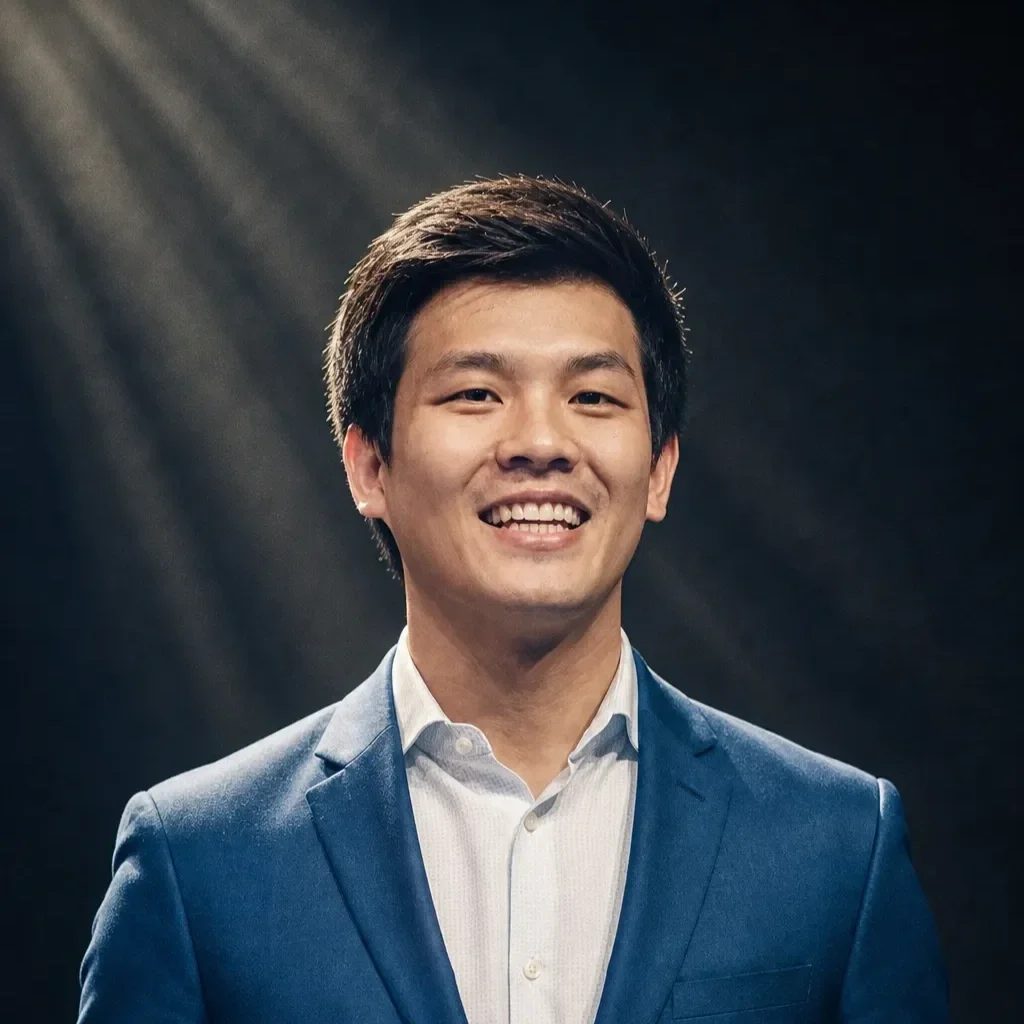
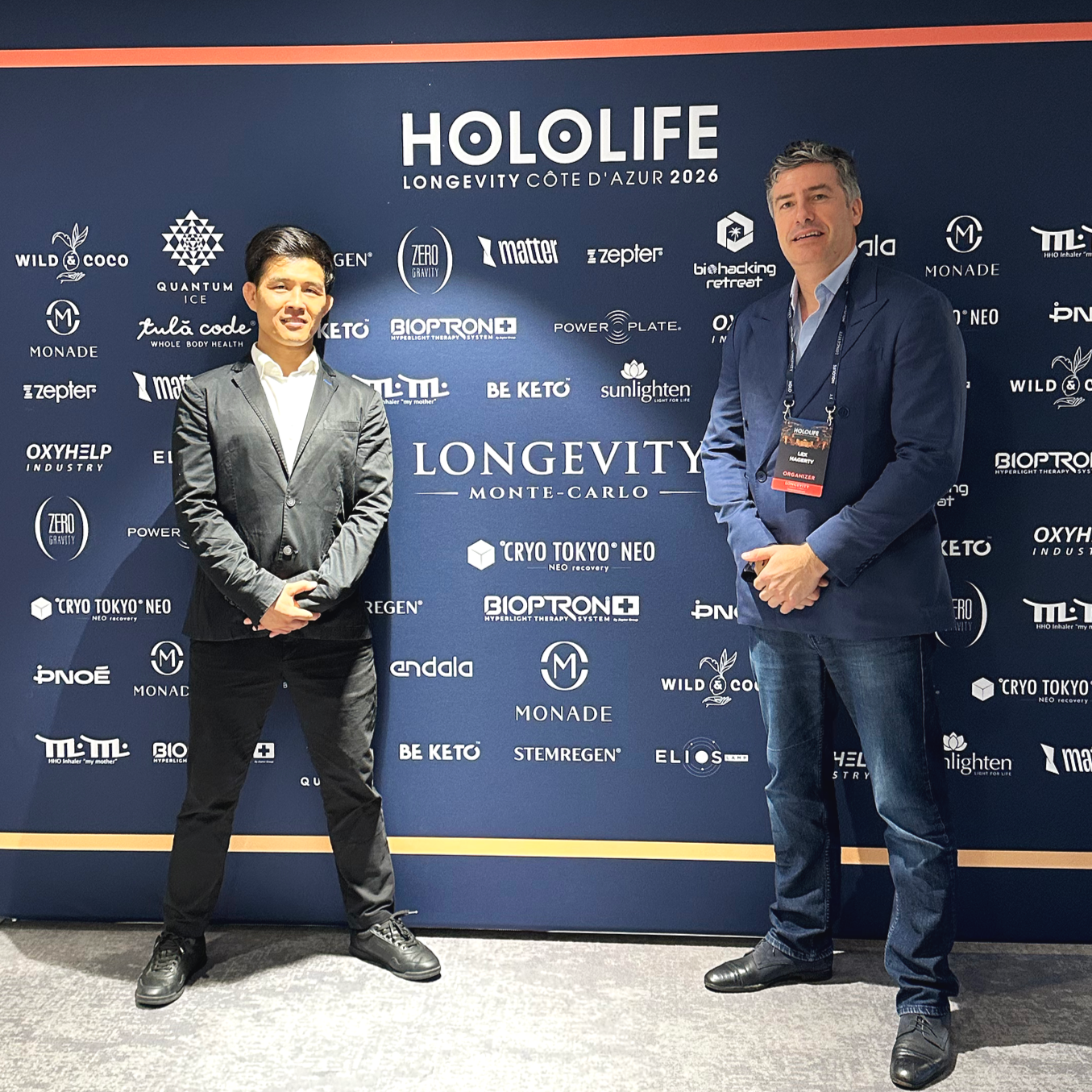
Fought in the cage for nearly twenty years. Studied the science afterward. Now taking both to Mumbai. On 15–16 August 2026, Tateki Matsuda speaks on the Main Stage at Longevity Summit India 2026 at Fairmont Mumbai, with a talk titled The Fighter's Paradox: Stress Makes Us Stronger — Until It Doesn't. The summit is built on a five-dimensional framework — Earth, Water, Air, Fire, Flow — and is chaired scientifically by Dr. Arpit Bansal, who joined HOLOLIFE Summit Tokyo in 2025. Tokyo to Mumbai: the direction reverses.