
Ph.D. MD. Ph.D. Ph.D. MD.
That was the view at name-tag height. Harvard professors. MIT professors. Postdocs. And PIs, the principal investigators who run their own labs.
And then there was me. The outsider.
"Anyone is welcome, feel free to join," they said. Sure. This is not what that sounded like.
What's up TekNation. Tateki here.
First, some sad news from February 2026. The Patriots lost the Super Bowl. Seahawks 29, Patriots 13.
Football fever in America is something else. The whole country throws a party, and a single 30-second ad during that game reportedly sold for an average of about $8 million. To be honest, I'm not that big a fan. But I live in Boston, and when the Patriots lose, you can feel it hanging over the whole city. The week started out a little gloomy.
That same weekend, I walked into a different kind of arena.
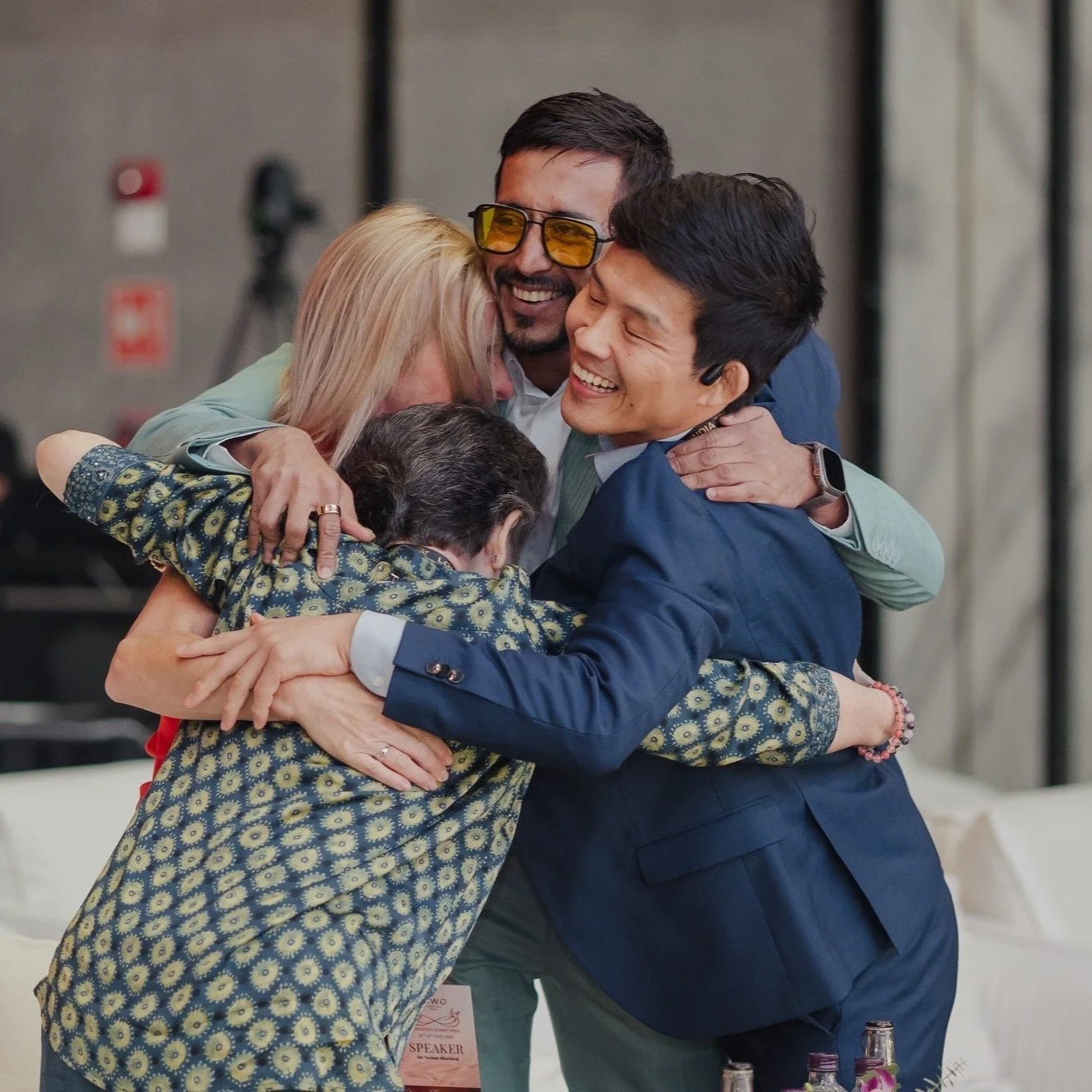
The Japan-US Science Forum in Boston. It was held at MIT, with big Japanese companies like ITO EN and Fujifilm among the sponsors. This is a serious science forum. It started in 2016 as a way to get researchers from different fields into one room to work on worldwide problems, and this was the 10th one.
For me, it was an away game. A complete one.
What is a flash talk?
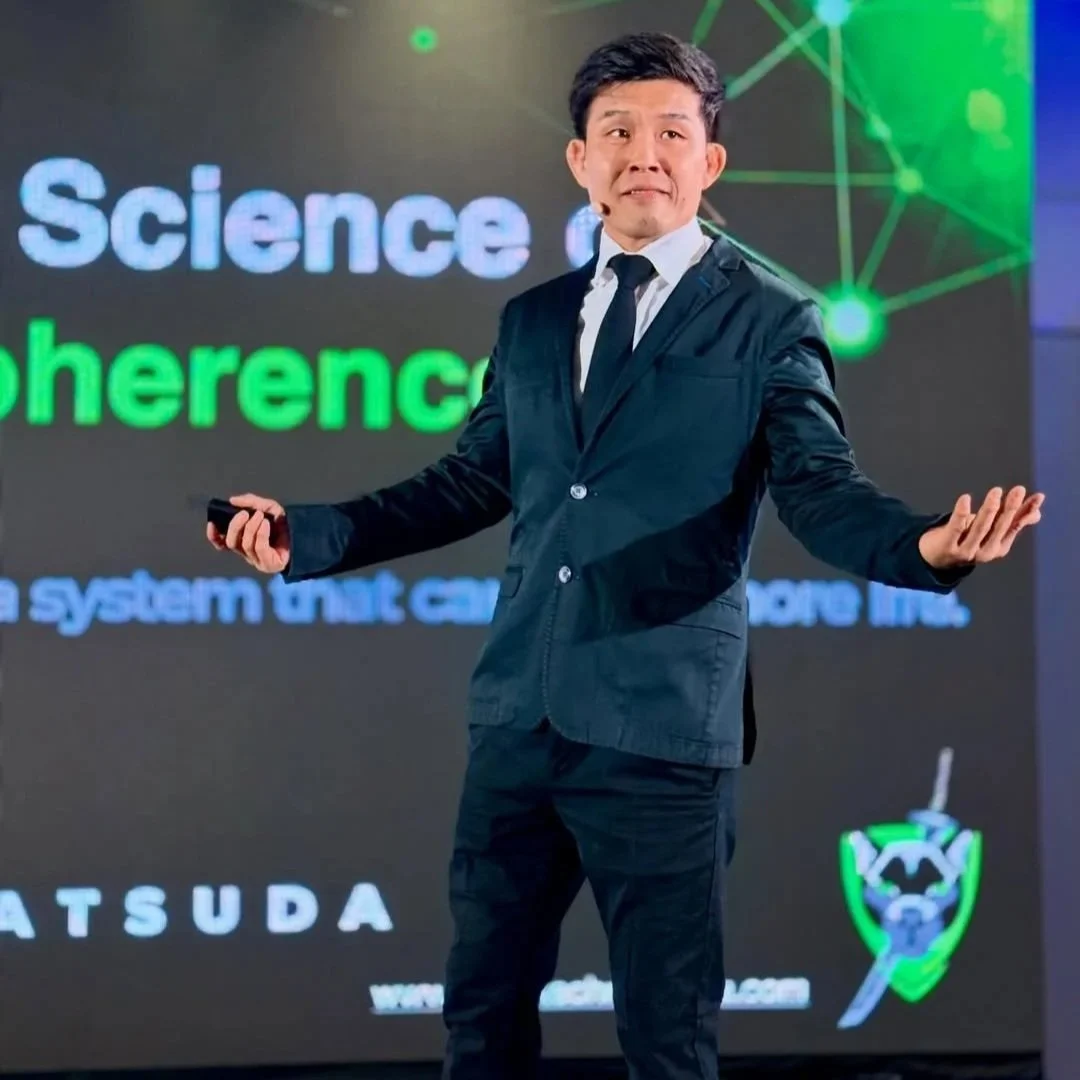
A flash talk is a very short presentation of your work. Mine was two minutes.
The theme of the forum was Health & Metabolism. That is dead center of what I do, so when I was offered a flash talk slot, I took it and got up to speak.
My talk was called From Sick Care to Health Creation. The idea: we keep paying more for health care, and we stay sick. So where does all this groundbreaking science actually go? I wrote up the talk itself here, numbers and all.
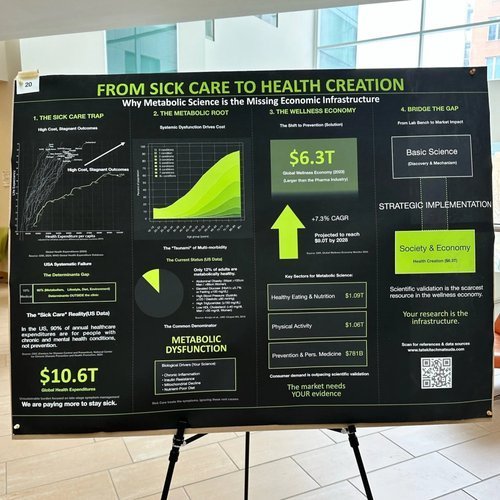
The flash talk poster
So the topic was home turf. The room was not.
Most days I introduce myself as a former UFC fighter and a biohacker, which is already a mouthful. But drop me into a place like this, the very top of academia, and something else shows up. A complex about my own schooling. A loud feeling that I'm in the wrong room. In English there's a tidy name for it: impostor syndrome.
What am I even supposed to say in here?
Cells get sick in 3D
Then the forum started, and it was ridiculously interesting.
The part that stuck with me most came from one professor. Disease, the professor said, is the structure inside a cell breaking down.
A cell is packed with small parts, like mitochondria and the endoplasmic reticulum. How those parts are laid out matters. When that shape falls apart, that is where disease begins. And with the latest AI and microscopes, researchers can apparently pinpoint, in 3D, where the inflammation inside a cell is coming from.
So forget the pep talks. Health, in this view, is a design problem at the level of the cell.
My brain nearly short-circuited.
The yogurt talk
Then came the flash talk session. Research assistants, scholars, scientists in the making. One smart person after another, each sharing their own research.
One of them, a woman who won an award, had research that had already caught my eye. I'd read her abstract and thought, this one looks fun.
My very rough summary, and the roughness is mine, not hers: her research points to yogurt as something that may help protect against colorectal cancer.
That one matters for Japan in particular. Colorectal cancer kills more women in Japan than any other cancer. So I took note. Yogurt, and fiber. (I was a guy in the audience, not anybody's doctor.)
What is brown fat?
Brown fat, or brown adipose tissue, is the good kind of fat, the kind that burns calories to make heat. Had you heard of it?
Here is the catch I heard at the forum. If you keep eating a high-fat diet, these cells apparently change their character.
In my biohacker life, trying to build up brown fat with cold exposure, breathing practice and exercise is nothing special. It's just how we live. The cold part is no secret, either: the NIDDK, part of the NIH, says the heat-making activity of brown fat is switched on by cold weather. What was new for me was feeling, up close, how much attention researchers are paying to it.
And here is where it all came together for me. Food is more than calories. It's information for your cells. What you eat flips switches on your genes, and your cells start to behave differently. To me, that is epigenetics in real life.
The CDC says it in drier words: epigenetics is the way your behaviors and environment can cause changes that affect the way your genes work. Those changes don't rewrite your DNA. They change how your body reads it.
So think of your next meal as information. Install the good stuff.
How hard is it to get a research grant?
Very hard. Take the National Institutes of Health. In fiscal year 2025, the success rate for its research project grant applications was 13.0%. The year before, it was 18.5%. More than 62,000 applications went in. About 8,000 were funded. Roughly one in eight.
Now, the panel discussion. I heard one researcher after another talk about their careers. And that is where it hit me.
They are fighters too.
Their fight purse is called a grant. To earn it, they write papers like their lives depend on it, they present, and they have to beat the competition.
They look after mice in a lab. I teach students and fighters in a gym. We do different things. But on one point, fighting to survive, I caught exactly the same smell.
The outsider's job is to translate
Right then, my own role came into view.
Take what those geniuses said, in all its high-level glory, and hand it as is to the lady down the street or to a fight fan. It won't land. Not a chance.
So somebody should be the translation machine. Take the most advanced science, convert it into everyday words and fight analogies, and hand it over. "Here. You can use this, right?"
There is a deep gap between academia and everyone else. Maybe that is how you build a bridge across it.
Man, was I tired, though. I ran brain muscles I never use at full power. My head was fizzing, and I could feel chie-netsu coming on, the fever people in Japan joke about getting from thinking too hard.
But I think putting myself in a room like that made two things clearer: where I stand right now, and what I need to do.
From Boston, I have to keep turning hard science into weapons people can actually use. That is what I keep muttering to myself, anyway.
Your turn. When did you last walk into a room and feel like the away team? What did you do about it? Tell me in the comments.
Quick facts
The final score of Super Bowl LX was Seahawks 29, Patriots 13. The game was played on February 8, 2026 at Levi's Stadium in Santa Clara, California.
The Japan-US Science Forum in Boston started in 2016. The JSPS Washington Office describes it as an interdisciplinary meeting meant to get researchers collaborating.
Brown fat burns calories to make heat, and cold weather is what switches that on, according to the NIDDK.
Japan's National Cancer Center projects about 26,400 deaths from colorectal cancer among women in Japan in 2025, more than from any other cancer.
The success rate for research project grant applications at the NIH was 13.0% in fiscal year 2025. The year before, it was 18.5%.
Want the next one in your inbox? Join TekNation with the newsletter sign-up form on this page.


Casual and athletic in design, Tateki Tech presents All Over Print pullover in black. It features a Tateki Tech script pattern throughout for signature style. This sporty top features a drawstring hood and the classic allover logo makes a statement. Ribbing at the hem and cuffs adds comfort and shape to this layer.
Detail
All-Over Print Unisex Hoodie has a comfortable relaxed fit, and a fabric that feels soft to the touch thanks to the unique cotton and polyester blend. The brushed fleece inside makes this hoodie a true wardrobe favorite.
70% polyester, 27% cotton, 3% elastane
Fabric weight: 8.85 oz/yd² (300 g/m²)
Soft cotton-feel fabric face
Brushed fleece fabric inside
Unisex style
Overlock seams
Download CPSIA compliance certificates here

Discount Code “MATSUDA”
Discount Code “TATEKIMATSUDA”


Discount Code “TATEKI“

NEWS
- October 2026
- September 2026
- August 2026
- July 2026
- April 2026
- March 2026
- October 2025
- September 2025
- August 2025
- June 2025
- May 2025
- April 2025
- September 2024
- August 2024
- July 2024
- June 2024
- May 2024
- April 2024
- March 2024
- February 2024
- November 2023
- October 2023
- September 2023
- August 2023
- April 2023
- March 2023
- December 2022
- October 2022
- August 2022
- July 2022
- June 2022
- May 2022
- April 2022
- March 2022
- February 2022
- January 2022
- December 2021
- November 2021
- May 2021
- March 2021
- January 2021
- July 2020
- April 2020
- January 2020
- November 2019
- September 2019
- August 2019
- July 2019
- June 2019
- March 2019
- January 2019
- December 2018
- October 2018
- September 2018
- July 2018
- May 2018
- April 2018
- September 2017
- March 2017
- January 2017
- December 2016
- November 2016
- September 2016
- July 2016
- February 2016
- January 2016
- December 2015
- October 2015
- September 2015
- January 2015
- November 2014
- September 2014
- August 2014
Optimized Life
- November 2026
- October 2026
- September 2026
- August 2026
- February 2026
- December 2025
- June 2025
- July 2024
- April 2024
- October 2023
- September 2023
- May 2023
- April 2023
- March 2023
- January 2023
- December 2022
- November 2022
- October 2022
- August 2022
- June 2022
- November 2019
- August 2019
- July 2019
- June 2019
- May 2019
- March 2019
- December 2018
- August 2018
- June 2018
- December 2017
- November 2017
- October 2017
- September 2017
- September 2016
- August 2016
- February 2016
- May 2015
- April 2015
- February 2015
- August 2014
- June 2014
Tatekitchen
- November 2026
- September 2026
- April 2026
- February 2026
- January 2026
- December 2025
- November 2025
- February 2025
- January 2025
- December 2024
- November 2024
- October 2024
- September 2024
- August 2024
- July 2024
- June 2024
- May 2024
- April 2024
- February 2024
- January 2024
- December 2023
- November 2023
- September 2023
- July 2023
- June 2023
- May 2023
- February 2023
- January 2023
- December 2022
- November 2022
- August 2022
- January 2022
- December 2021
- November 2021
- September 2021
- July 2021
- June 2021
- May 2021
- April 2021
- March 2021
- February 2021
- January 2021
- December 2020
- November 2020
- September 2020
- August 2020
- June 2020
- May 2020
- February 2020
- December 2019
- November 2019
- August 2019
- May 2019
- March 2019
- February 2019
- January 2019
- November 2018
- October 2018
- June 2018
- May 2018
- January 2018
- December 2017
- November 2017
- September 2017
- July 2017
- May 2017
- April 2017
- January 2017
- December 2016
- October 2016
- September 2016
- July 2016
- May 2016
- April 2016
- March 2016
- February 2016
- January 2016
- November 2015
- May 2015
- April 2015
- March 2015
- October 2014
- September 2014
- August 2014
- June 2014
- May 2014
- February 2014
- June 2013
- April 2013
- March 2013
- November 2012
- September 2012
- July 2012
- June 2012
- May 2012
- March 2012
NEWS
OPTIMIZED LIFE

TATEKITCHEN
BLOG
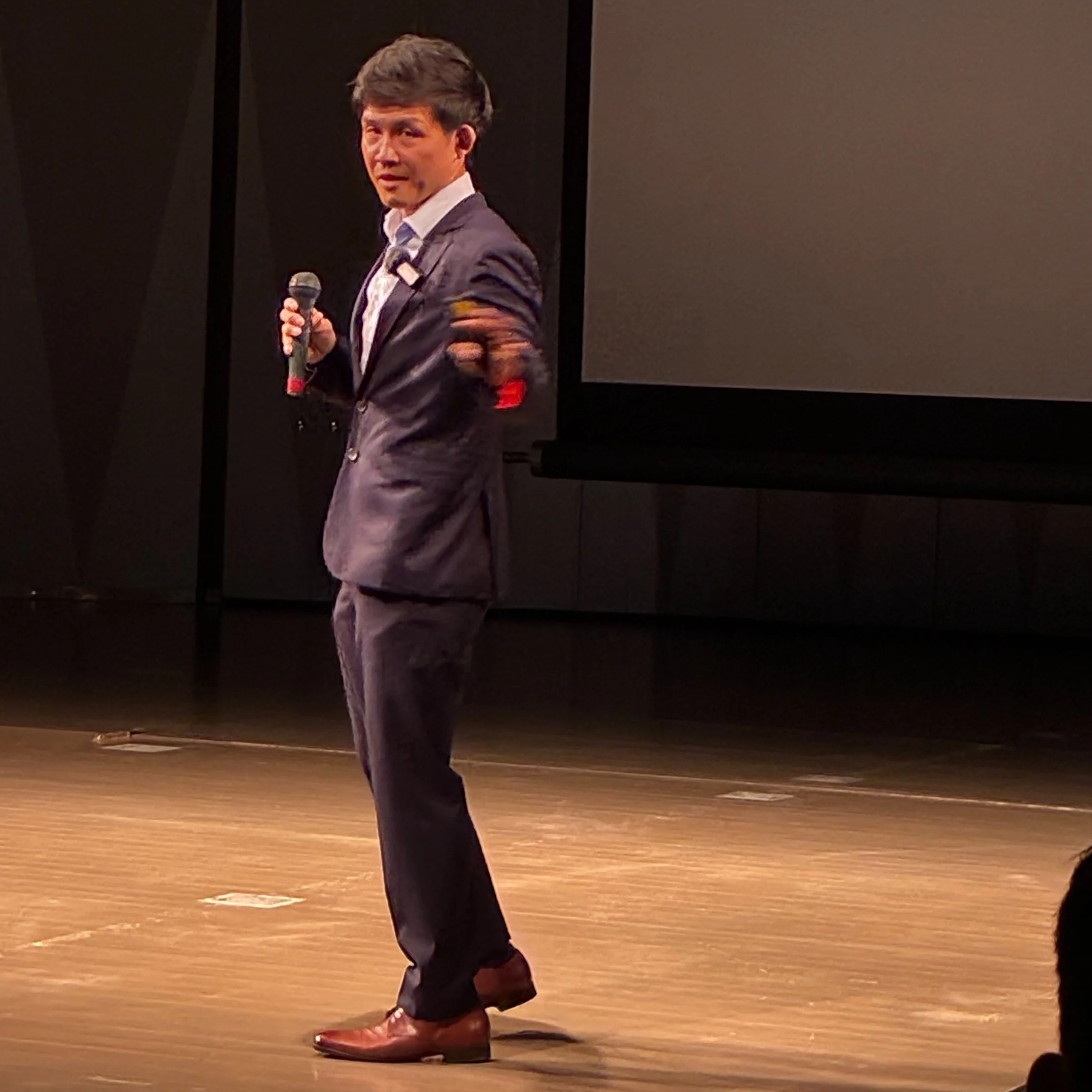
The Japan Biohacking Association published its first press release on PR TIMES on October 21, 2026, announcing its establishment and international collaboration activities.