
FROM SICK CARE TO HEALTH CREATION
Summary & Key Takeaways
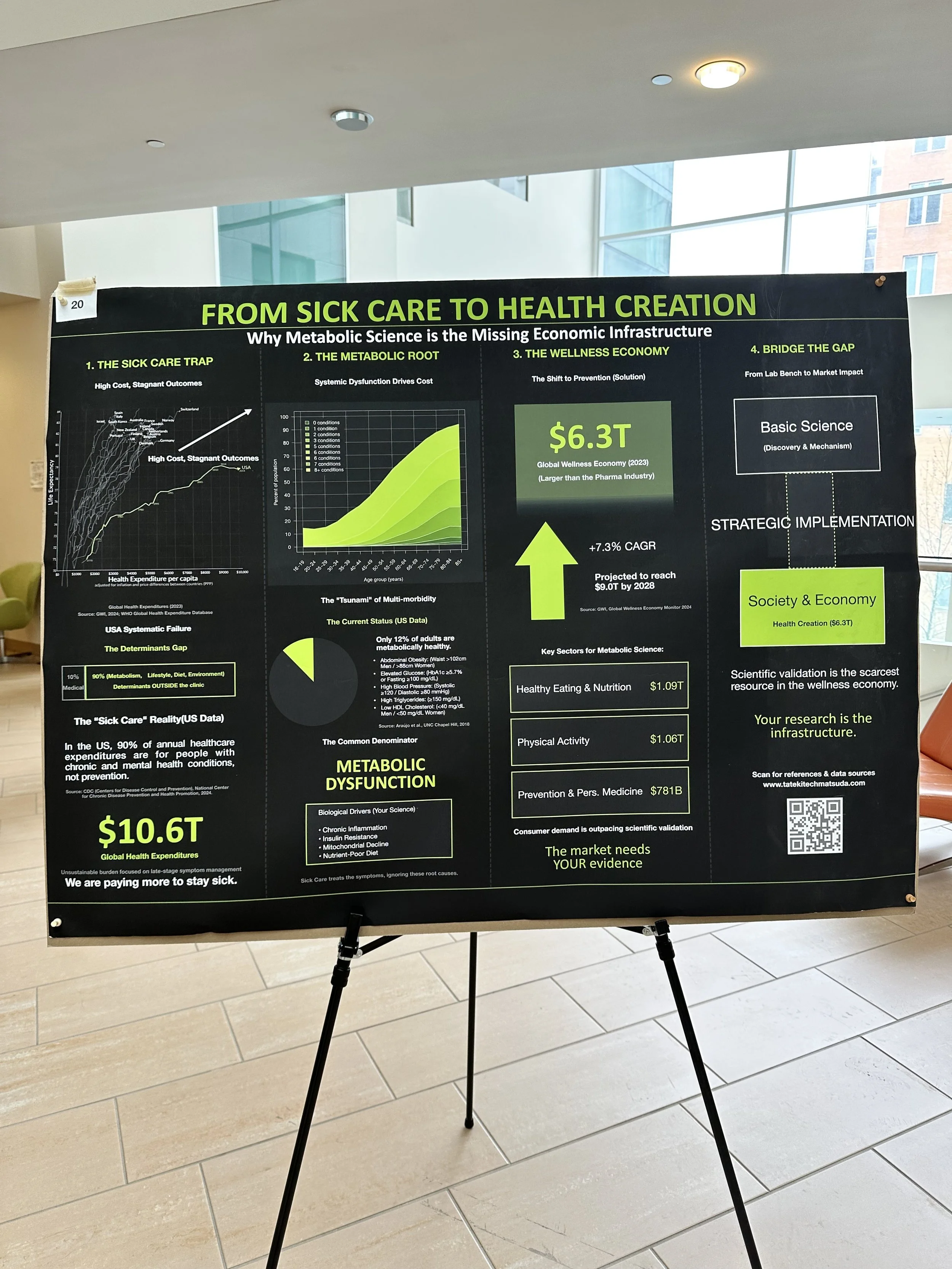
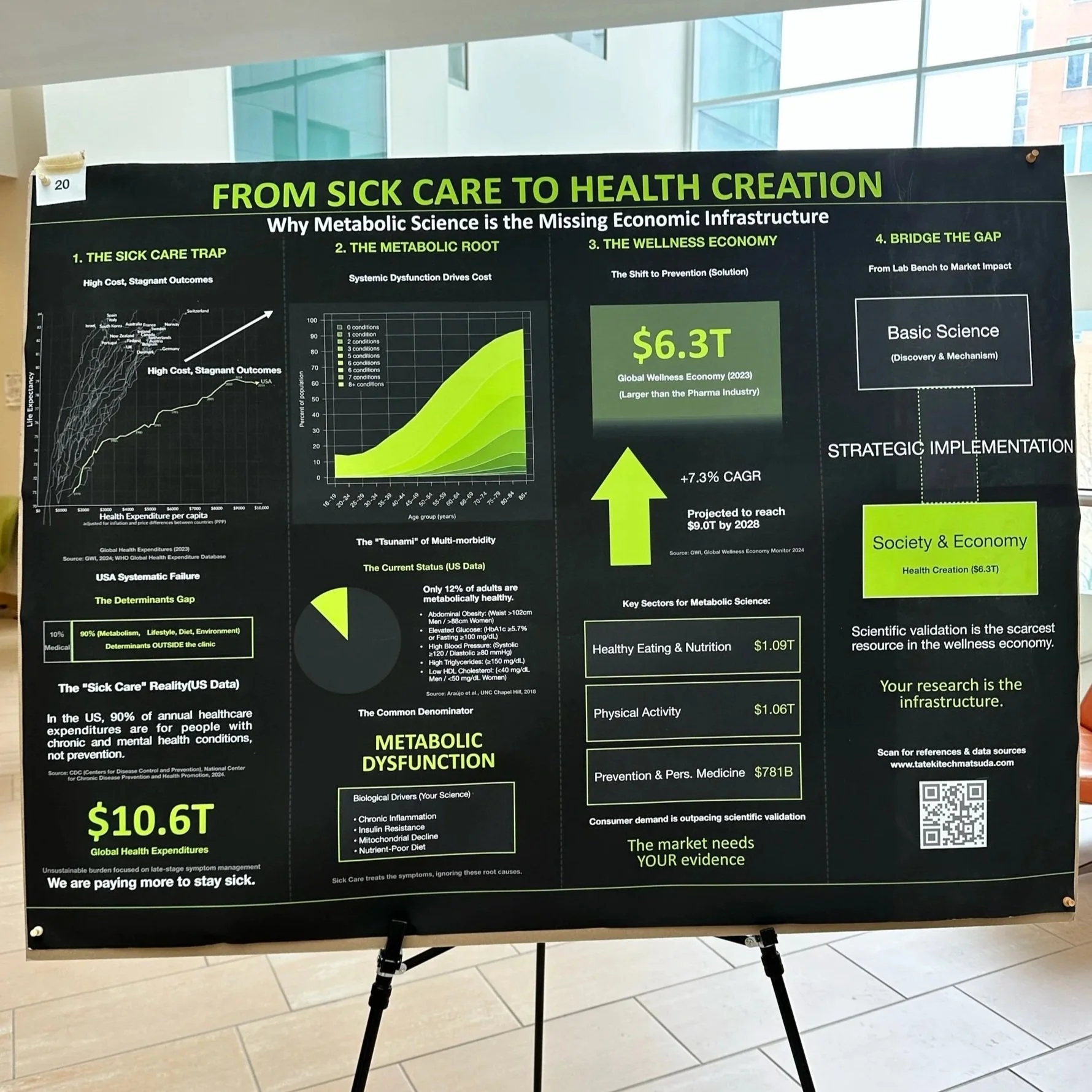
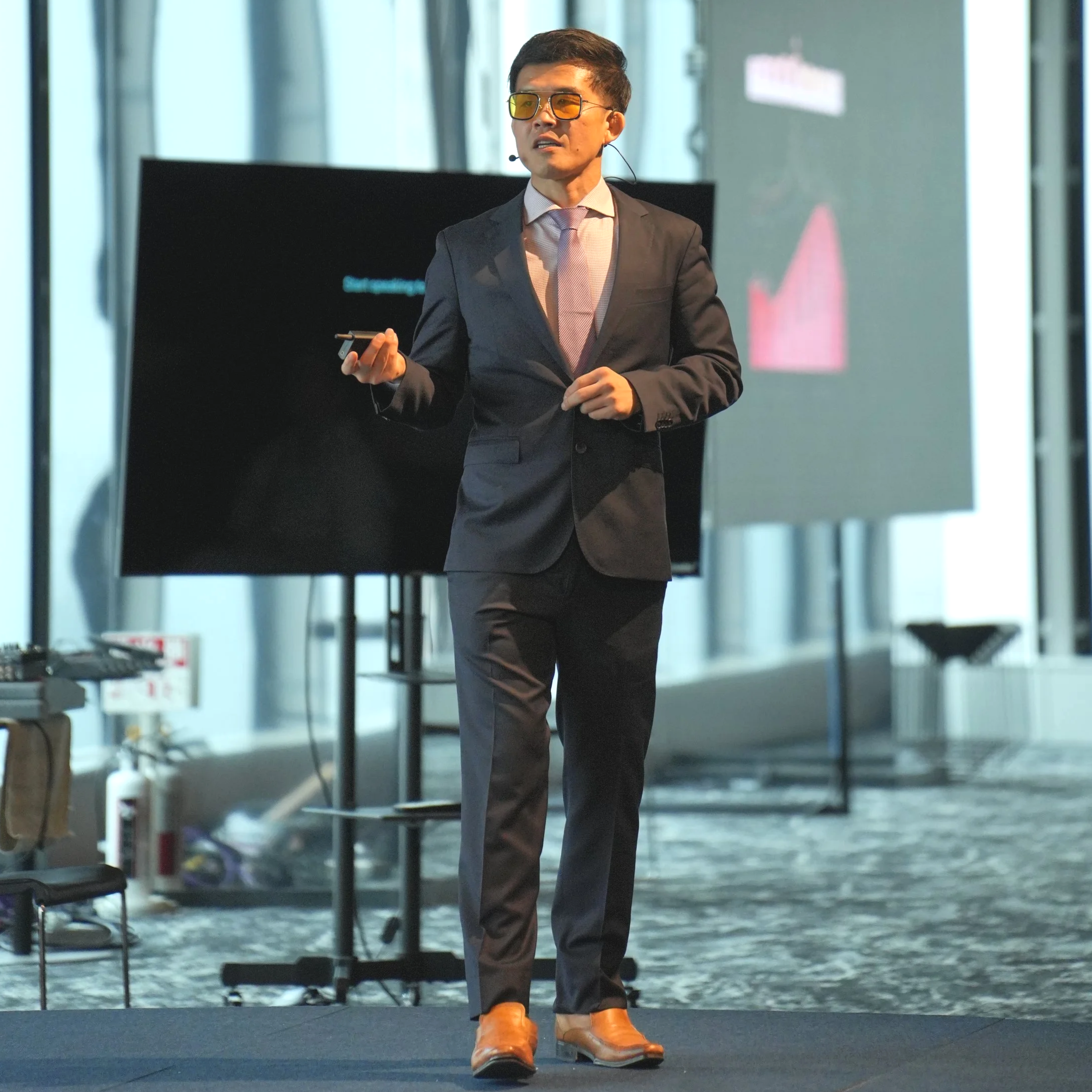
At the 10th Japan-US Science Forum at MIT, my flash talk "From Sick Care to Health Creation" asked one question: where does all this science go?
Global health spending hit $10.6 trillion in 2023, yet the link between spending and outcomes has broken—the "Sick Care Paradox."
Only 12% of American adults are metabolically healthy (Araújo et al.). The common root is metabolic dysfunction.
The wellness economy has reached $6.3 trillion—four times the size of pharma—and is projected to hit $9.0 trillion by 2028.
The mission: bridge basic science and the wellness market so metabolic optimization becomes the default. Health is wealth—built for service, not just self.
The End of Sick Care and the Genesis of Health Creation: Confronting the $10 Trillion Paradox
At MIT, where the 10th Japan-US Science Forum convened, the discussion sat at the cutting edge of biology: metabolism, stem cells, nutritional intervention.
In the middle of all those molecular mechanisms and cellular pathways, I took the stage to ask the scientific community a basic, maybe uncomfortable, question:
"Where does all this groundbreaking science go?"
Are we using our collective brilliance just to refine a system that waits for human biology to collapse before trying to repair it?
Why Metabolic Science is the Missing Economic Infrastructure
My flash talk, "From Sick Care to Health Creation," wasn't just a critique of modern medicine. It was an indictment of a failing economic model and a call for a new infrastructure of existence. It bridges the chasm between the $10.6 trillion global health expenditure and the emerging $6.3 trillion wellness economy.
But beyond the economics, it's a question about what it means to live well. This article is the full manifesto behind my 2-minute flash talk and poster—the vision I could only glimpse on stage.
The $10.6 Trillion Trap (The Economic Indictment)
Start with the reality of where we're headed. The numbers don't lie, and they show systemic failure.
According to the World Health Organization (WHO), global health expenditures reached a staggering $10.6 trillion in 2023. To put that in perspective, we're pouring an amount equal to the GDP of entire continents into our healthcare systems. The logical return should be robust longevity and vitality.
Instead, the data reveals a terrifying paradox.
The Cost-Outcome Divergence
As my poster's scatter plot "Lifespan Expectancy vs. Healthcare Expenditure" shows, the correlation between spending and health outcomes has broken. The United States is the most extreme outlier: an exponential rise in per capita spending matched not by more healthy years, but by stagnation—and in some groups, a decline—in life expectancy.
We are paying more to stay sick. This is the "Sick Care Paradox."
The Misallocation of Resources (The 90/10 Rule)
Why is the system failing? A fatal misalignment of resources.
Data from the Centers for Disease Control and Prevention (CDC) shows that 90% of the nation's annual healthcare expenditures go to treating people with chronic and mental health conditions.
We are funding "damage control," not "health creation."
It gets worse when you look at the Determinants of Health. Research consistently shows that 80-90% of health outcomes are driven by environmental factors, socioeconomic status, and, crucially, lifestyle (metabolism and diet). Clinical medical care contributes only 10-20% to our overall health.
Yet we put nearly all our money into that 10% clinical slice while neglecting the 90% that actually decides our fate. We built a system designed to act only after the fire has consumed the house.
The Metabolic Tsunami (The Biological Reality)
If the economic model is the symptom, what's the root cause?
Researchers often silo themselves into specific pathologies—cardiovascular disease, neurodegeneration, diabetes, cancer. From a macro view, these aren't separate islands. They're all faces of a single systemic failure.
The common denominator is Metabolic Dysfunction.
The Shocking "12%" Statistic
A landmark study from the University of North Carolina at Chapel Hill (Araújo et al., 2018) delivered a statistic that should haunt every public health official:
Only 12% of American adults are metabolically healthy.
Let that sink in. It means 88% of the adult population is already metabolically compromised. Not "healthy"—just "pre-diagnosed." They fail at least one of the five critical criteria for optimal metabolic health:
Waist Circumference (Abdominal Obesity)
Fasting Glucose (HbA1c levels indicating pre-diabetes)
Blood Pressure (Hypertension)
Triglycerides (Dyslipidemia)
HDL Cholesterol (Lipid imbalance)
This is a silent tsunami. It starts with insulin resistance and chronic low-grade inflammation, building over decades until it becomes the multi-morbidity that overwhelms our hospitals. "Sick Care" medicates these markers one by one, ignoring the metabolic fire burning underneath.
The $6.3 Trillion Awakening (The Market Solution)
But there's hope in this bleak landscape.
Society is waking up. People are realizing the cavalry isn't coming—the medical system won't save them from chronic decline. They're taking ownership of their biology.
That awakening has fueled the explosive growth of the Wellness Economy.
A Market Larger Than Medicine
According to the Global Wellness Economy Monitor 2024 from the Global Wellness Institute (GWI), this market has reached a record $6.3 trillion.
To grasp the scale: the global pharmaceutical industry is valued at roughly $1.6 trillion. The wellness market is now four times larger than the business of selling drugs.
And this isn't a passing trend. The wellness economy is projected to grow 7.3% annually, reaching nearly $9.0 trillion by 2028—outpacing global GDP, a real shift in human priority.
Where Science Must Intervene
For the scientists reading this, look at where the capital is flowing. These aren't just commercial sectors. They're the future pillars of health infrastructure:
Healthy Eating, Nutrition, & Weight Loss: $1.09 Trillion
Physical Activity: $1.06 Trillion
Public Health, Prevention, & Personalized Medicine: $781 Billion
These figures are a desperate societal demand for solutions that prevent disease instead of just managing it.
Bridging the Gap (The Strategic Imperative)
But a dangerous chasm exists.
On one side, the $6.3 trillion wellness market, fueled by consumer demand but often full of pseudoscience, marketing hype, and no rigor.
On the other, basic science—the brilliant work in labs like those at MIT and Harvard—often trapped in academic journals, never reaching the people who need it most.
This is the "Valley of Death" for preventive innovation.
My mission, and my core message, is to build the bridge across it.
The Left Bank (Basic Science): We need the rigor of molecular mechanisms, lipidomics, and stem cell research.
The Right Bank (Society/Economy): We need the scale of the $6.3T market.
The Bridge (Implementation): We need a strategic infrastructure that translates "Lab Bench" discoveries into "Market Impact."
True prevention isn't passive. It's the active pursuit of holistic health. My talk is about re-engineering our social infrastructure—our cities, food systems, insurance models—so metabolic optimization becomes the default setting of modern life, not a luxury for the few.
Scientific validation is the scarcest resource in the wellness economy. Your research is the raw material for this new infrastructure.
The Philosophy of Health (Legacy & Service)
Finally, the question beneath the data: Why?
Why do we strive for metabolic health? Just to live longer? To make more money? To look better?
If the goal is only self-preservation, we're missing the point.
When I reflect on our existence, I come back to one philosophy: We are cells in a larger body called Humanity.
Extraction vs. Contribution
A cancer cell is defined by its refusal to cooperate. It extracts resources from the host, grows without limit, and contributes nothing to the whole. Eventually it destroys the very system that sustains it.
A healthy cell, by contrast, is defined by working optimally within the system, contributing to the vitality of the whole organism.
So we have to ask ourselves:
"Am I using my health, my energy, and my knowledge to extract resources from the world? Or to contribute, to serve, and to impact the whole?"
Health is Wealth. Literally—once health is gone, no amount of money buys it back. But wealth is meaningless unless it's used for a purpose. We optimize our metabolism and refine our diets not for vanity, but to build the capacity for Service.
We cultivate vitality so we can be better parents, better leaders, better innovators. We build health so we can leave a Legacy—a world that's healthier, more resilient, and more equitable for the generations that follow.
To the researchers I met in Boston: your work isn't just about data points. You are the architects of a post-Sick Care world. Let's leave the lab and enter the arena. Let's build a future where health is not just treated, but created.
Shownotes & References
Transparency is the foundation of science. The following sources support the data presented in the flash talk and poster.
1. Market Data: The Global Wellness Economy
Source: Global Wellness Institute (GWI). Global Wellness Economy Monitor 2024. November 2024.
Key Data: Global Wellness Market Size ($6.3T), Projected Growth (+7.3% CAGR to $9.0T), Sector breakdown (Nutrition $1.09T, Physical Activity $1.06T).
Access: Global Wellness Institute Report
2. Healthcare Cost & Chronic Disease Burden
Source: Centers for Disease Control and Prevention (CDC). Health and Economic Costs of Chronic Diseases.
Key Data: "90% of the nation’s annual health care expenditures are for people with chronic and mental health conditions."
Access: CDC Chronic Disease Data
3. Global Health Expenditure
Source: World Health Organization (WHO). Global Health Expenditure Database.
Key Data: Global health spending reached $10.6 Trillion (approx. 10% of global GDP).
Access: WHO NHA Database
4. Metabolic Health Statistics
Key Data: Only 12% of American adults meet the criteria for optimal metabolic health.
Access: PubMed (PMID: 30484738)
5. Comparative Health Outcomes
Source: Our World in Data. Life Expectancy vs. Health Expenditure per Capita. Based on OECD Health Statistics.
Access: Our World in Data Graph
6. Conceptual Framework: From Self-Optimization to Self-Actualization
Source: Teemu Arina. “The Longevity Goldrush: From Self-Optimization to Self-Actualization”
Keynote Address, Hololife Summit Estonia 2025.
Key Insight:
Reframing longevity from individual biohacking and performance optimization toward systems-level health creation, meaning, and societal impact. Emphasizes the transition from fragmented self-optimization to integrated biological, psychological, and social resilience.
Relevance:
Provides a conceptual bridge between metabolic science, preventive health economics, and human development, aligning scientific advances with long-term societal implementation.
Access: https://hololifesummit.com/
FAQ
What is the "Sick Care Paradox"?
Despite $10.6 trillion in global health spending in 2023, the link between spending and health outcomes has broken—the US spends exponentially more per capita while healthy life expectancy stagnates or declines.
How many American adults are metabolically healthy?
Only 12% (Araújo et al., 2018), meaning 88% are already metabolically compromised—failing at least one of five criteria: waist circumference, fasting glucose, blood pressure, triglycerides, and HDL cholesterol.
How big is the wellness economy?
$6.3 trillion in 2024—about four times the size of the global pharmaceutical industry—and projected to reach nearly $9.0 trillion by 2028.


Casual and athletic in design, Tateki Tech presents All Over Print pullover in black. It features a Tateki Tech script pattern throughout for signature style. This sporty top features a drawstring hood and the classic allover logo makes a statement. Ribbing at the hem and cuffs adds comfort and shape to this layer.
Detail
All-Over Print Unisex Hoodie has a comfortable relaxed fit, and a fabric that feels soft to the touch thanks to the unique cotton and polyester blend. The brushed fleece inside makes this hoodie a true wardrobe favorite.
70% polyester, 27% cotton, 3% elastane
Fabric weight: 8.85 oz/yd² (300 g/m²)
Soft cotton-feel fabric face
Brushed fleece fabric inside
Unisex style
Overlock seams
Download CPSIA compliance certificates here

Discount Code “MATSUDA”
Discount Code “TATEKIMATSUDA”




Discount Code “TATEKI“
-
Biohacking
- Jun 4, 2018 Mushroom Coffee
- Aug 1, 2018 keto box
- Mar 17, 2019 Keto Mojo
- Nov 2, 2019 Biohacker Summit Helsinki 2019
- Jun 4, 2022 Biohacker Summit Helsinki 2022
- Oct 16, 2022 Biohacker Summit Amsterdam 2022
- May 1, 2023 Biohacker’s Retreat April 2023
- Sep 4, 2023 Biohacker Summit London 2023 Show notes
- Sep 18, 2023 Biohacker’s Retreat September 2023
- Oct 29, 2023 Biohacker Summit Amsterdam 2023 Show Notes
- Apr 10, 2024 Biohacker’s Retreat in IBIZA 2024
- Jul 3, 2024 Biohacker Summit Helsinki 2024
- Jul 20, 2024 Meltingpot Forum 2024
- Jun 5, 2025 Biohacking Conference 2025
- Dec 10, 2025 Japanese Chrono Trigger: Rethinking Time and Longevity
- Feb 7, 2026 FROM SICK CARE TO HEALTH CREATION
- Aug 15, 2026 The Fighter’s Paradox: Stress Makes Us Stronger — Until It Doesn’t
- Sep 27, 2026 Beyond 120: The Missing Science of Human Coherence
-
Coffee
- Jun 4, 2018 Mushroom Coffee
- Aug 1, 2018 keto box
-
Earthing
- Jun 7, 2019 Earth Runner
-
Gut health
- Jul 2, 2019 Viome
-
Injury
- Sep 11, 2017 Determination
- Sep 29, 2017 Week 3
- Oct 6, 2017 Week 4
- Oct 13, 2017 Week 5
- Oct 30, 2017 Week 6 & 7
- Nov 13, 2017 Week 8 & 9
- Nov 26, 2017 Week 10 & 11
- Dec 30, 2017 After Week 12
-
Nutrition
- Jun 4, 2018 Mushroom Coffee
- Aug 1, 2018 keto box
- Jun 26, 2022 Fermented Foods for Health Optimization
- Aug 10, 2022 Fermented Foods for Immune System
- Oct 2, 2022 Fermented Foods for Healthy Skin
- Nov 7, 2022 Japanese Drinkable IV “Amazake”
- Dec 23, 2022 “Mirin” Sweet Rice Sake Beyond Seasoning
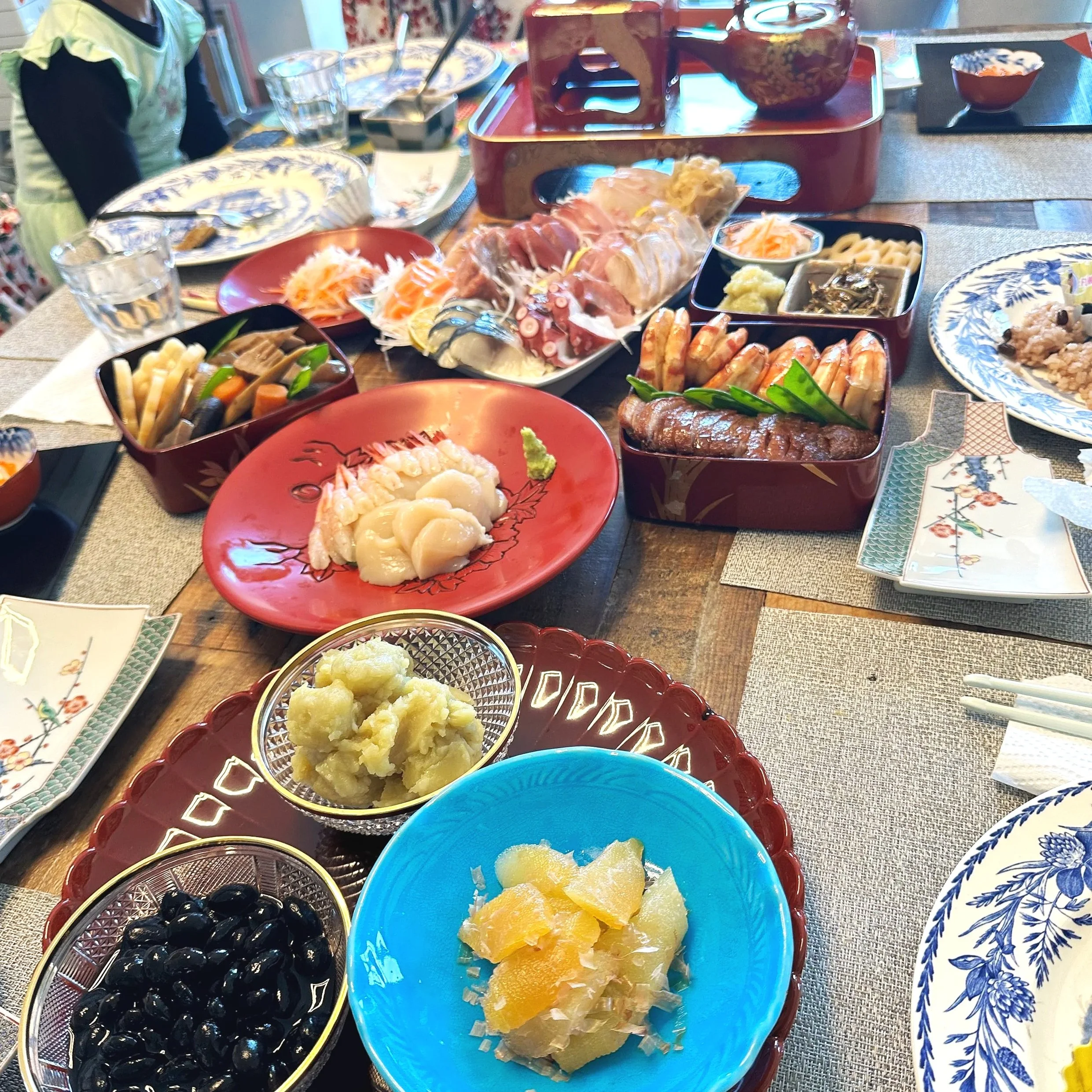
- Jan 29, 2023 Eat “Cultural Heritage.” Osechi Japanese New Year’s Food
- Mar 12, 2023 Fermentation Makes Processed Meat Different
- Apr 13, 2023 Cheese and Your Health: The Impact of Fermentation, Type, and Production Method
-
Performance
- Aug 12, 2018 First time Spartan Race
- Aug 14, 2019 Boston Super and Sprint Weekend 2019
- Nov 9, 2019 Spartan race Boston at Fenway Park 2019
-
Recovery
- Sep 11, 2016 REhydration Process
- May 15, 2019 BIO CBD plus
-
Rehabilitation
- Sep 11, 2017 Determination
- Sep 29, 2017 Week 3
- Oct 6, 2017 Week 4
- Oct 13, 2017 Week 5
- Oct 30, 2017 Week 6 & 7
- Nov 13, 2017 Week 8 & 9
- Nov 26, 2017 Week 10 & 11
- Dec 30, 2017 After Week 12
-
Retreat
- May 1, 2023 Biohacker’s Retreat April 2023
- Sep 18, 2023 Biohacker’s Retreat September 2023
- Apr 10, 2024 Biohacker’s Retreat in IBIZA 2024
-
Strength & Conditioning
- Jun 20, 2014 MMA Fight Prep 1
- Jun 21, 2014 MMA Fight Prep 2
- Jun 23, 2014 MMA Fight Prep 3
- Jun 23, 2014 MMA Fight Prep 4
- Jun 24, 2014 MMA Fight Prep 5
- Aug 27, 2014 Hit some Swings
- Feb 10, 2015 No Season for MMA Fighters
- Apr 10, 2015 Random Day of my Training
- May 29, 2015 Dropping a Weight Class
- Feb 21, 2016 Conditioning during Fight Week
-
Strong First
- Aug 13, 2016 SFG Level 1 Test
-
Supplement
- Jun 4, 2018 Mushroom Coffee
- Aug 1, 2018 keto box
- Dec 10, 2018 Complete Nutrition with Bits
Blog
- January 2026
- October 2025
- August 2025
- July 2025
- June 2025
- July 2024
- June 2024
- May 2024
- April 2024
- March 2024
- November 2023
- October 2023
- September 2023
- August 2023
- May 2023
- March 2023
- December 2022
- October 2022
- September 2022
- August 2022
- June 2022
- May 2022
- October 2021
- November 2020
- February 2020
- January 2020
- November 2019
- October 2019
- August 2019
- July 2019
- June 2019
- April 2019
- February 2019
- September 2018
- August 2018
- April 2017
- December 2016
- November 2016
- September 2016
- July 2016
- May 2016
- April 2016
- March 2016
- December 2015
- October 2015
- September 2015
- August 2015
- July 2015
NEWS
OPTIMIZED LIFE

TATEKITCHEN

BLOG
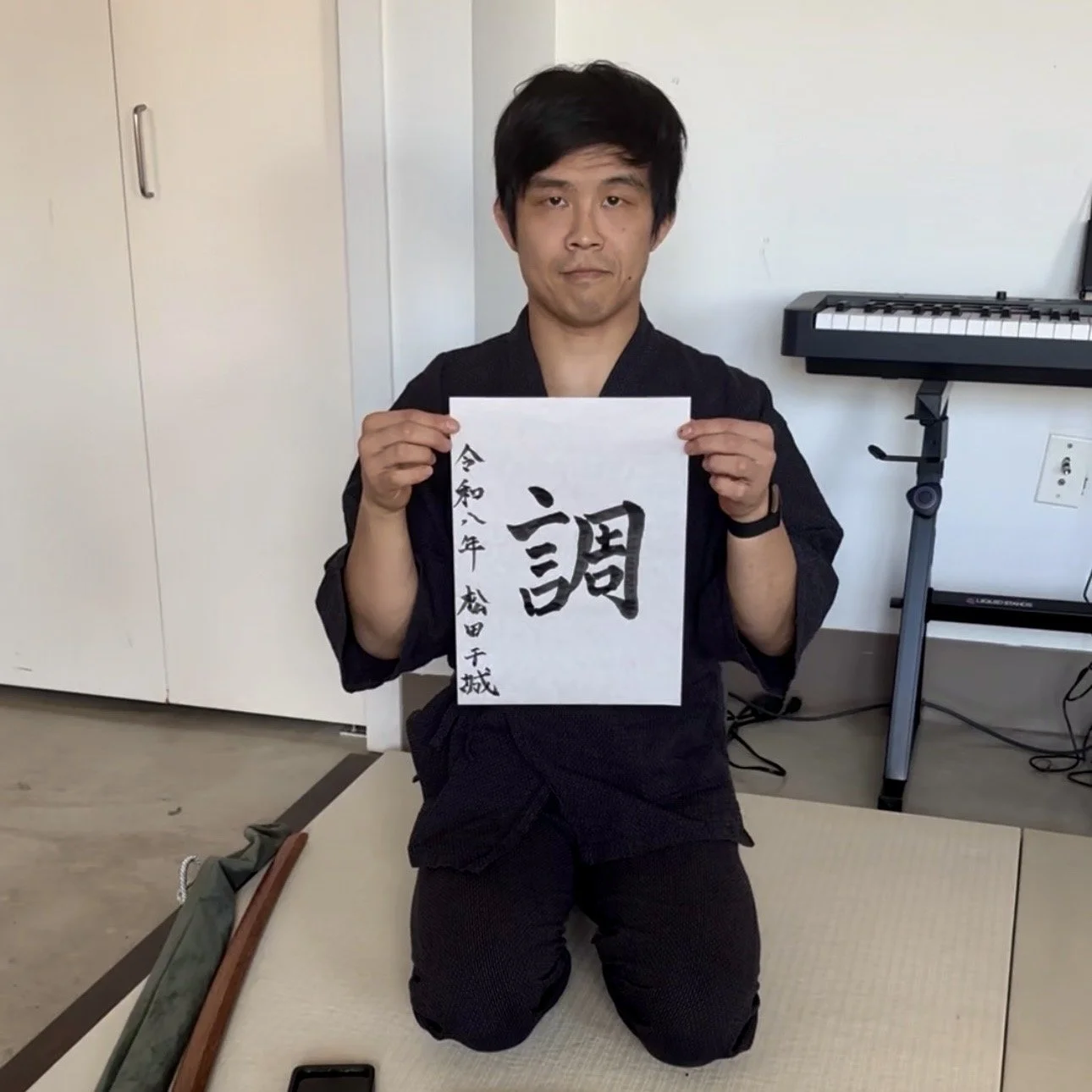


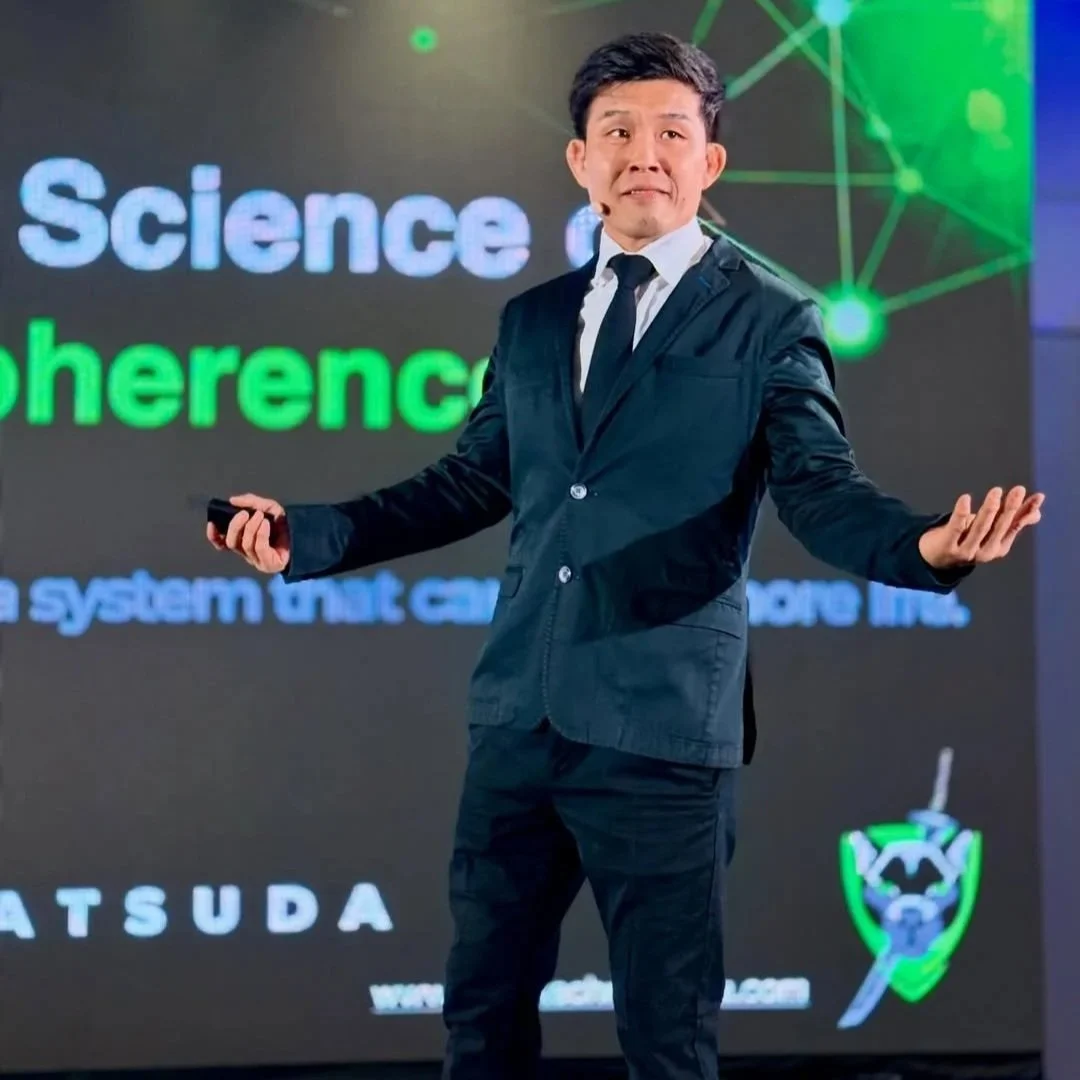
Fought in the cage for nearly twenty years. Studied the science afterward. Now taking both to Mumbai. On 15–16 August 2026, Tateki Matsuda speaks on the Main Stage at Longevity Summit India 2026 at Fairmont Mumbai, with a talk titled The Fighter's Paradox: Stress Makes Us Stronger — Until It Doesn't. The summit is built on a five-dimensional framework — Earth, Water, Air, Fire, Flow — and is chaired scientifically by Dr. Arpit Bansal, who joined HOLOLIFE Summit Tokyo in 2025. Tokyo to Mumbai: the direction reverses.